
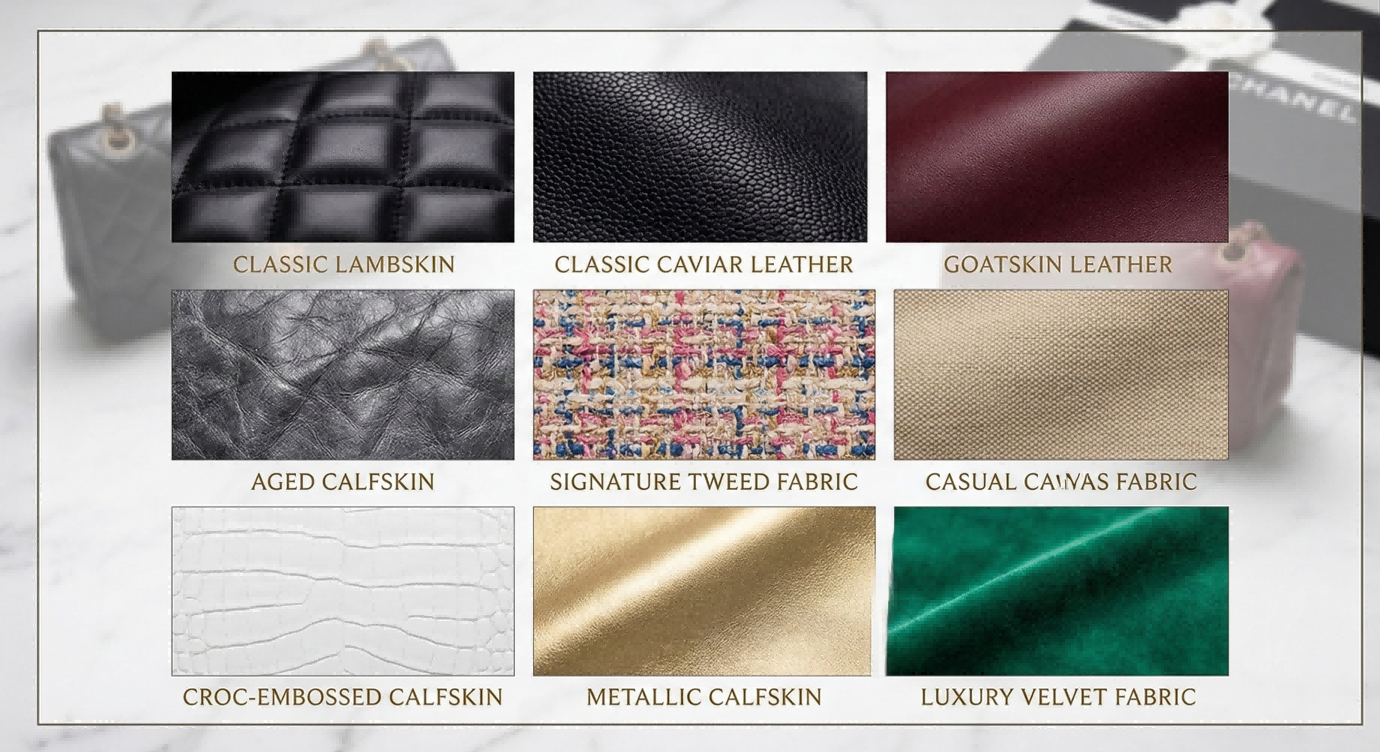
Why Leather Defines the Chanel Silhouette
Leather is the single most decisive factor on any Chanel bag because it governs everything else: how the diamond quilts hold their puffiness, how light catches the flap, and how the bag ages with real wear. A Classic Flap in caviar behaves completely differently from one in lambskin—not just visually, but in how the panels retain their geometric structure over years of use.
Rather than relying on vague seller buzzwords like “1:1” or “Mirror Quality,” I evaluate leather by its physical reality: grain depth, suppleness under pressure, stitch tension at the seam, and edge finish. This guide breaks down Chanel’s signature Caviar and Lambskin leathers, followed by calfskins, exotics, and textiles, to help you choose the right material for your lifestyle and know exactly what to look for in hand.
Table of Contents
Chanel Caviar vs Lambskin Replica: The Ultimate Comparison
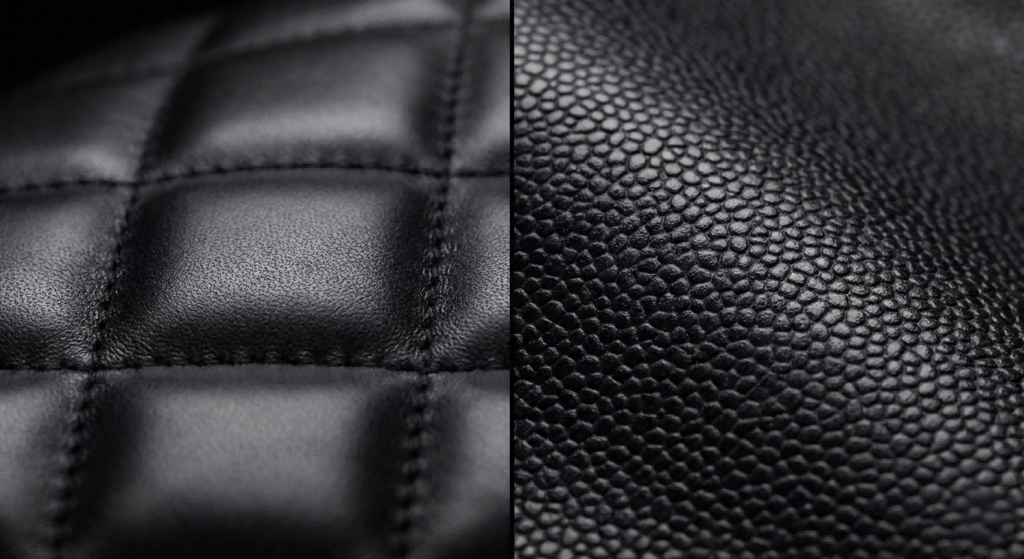
When navigating the world of Chanel, whether purchasing authentic or sourcing a top-tier replica, the most prominent decision you will face is choosing between the house’s two most iconic leathers: Caviar and Lambskin. Each material offers a distinctly different aesthetic, tactile experience, and level of everyday durability.
In the higher end of the replica market, sellers may claim European hides, specific tanneries or “original leather.” I treat those as sourcing claims unless there is independent documentation. What I can judge more reliably is the bag in front of me: grain, softness, sheen, thickness at edges, quilting behavior and how consistently the material is used across panels.
The Luxurious Appeal of Chanel Lambskin Replicas
Lambskin is the traditional, original leather used for Chanel’s most classic pieces. It is renowned globally for its buttery-soft texture, its smooth, flawless finish, and an elegant, luminous sheen that catches the light beautifully. As the gold standard of luxury, it offers a tactile experience that is unparalleled.
- The Manufacturing Process: For a replica described as lambskin, compare the surface finish, softness, color and quilting response on the actual bag. Those details are more useful than assuming one processing method or leather grade from a tier label. For broader leather-production context, see the Leather Working Group on Sustainable Leather Sourcing.
- Pros of Lambskin Replicas: * Unmatched Luxury: It provides the softest, most premium tactile experience. Running your hand across a high-quality lambskin replica feels incredibly decadent; it is as smooth as an infant’s skin.
- Aesthetic Brilliance: The smooth surface allows for a beautiful, subtle sheen that makes the hardware (whether 24k gold-toned or brilliant silver) pop dramatically against the leather.
- Color Saturation: Because dyes penetrate lambskin so deeply, it is the superior choice for vibrant, saturated colors like true red, emerald green, or classic jet black.
- Cons of Lambskin Replicas: * Delicate Nature: This is its biggest drawback. It is highly prone to scratches, scuffs, and indentations. Even a stray fingernail or a harsh zipper can leave a permanent mark if you are not careful.
- Structure Loss: Over time, and without proper stuffing during storage, lambskin can lose its rigid shape faster than heavier leathers, leading to slouching.
- Water Sensitivity: It does not handle moisture well and can blister or stain if exposed to heavy rain or spills.
The Durability of Chanel Caviar Leather Replicas
If lambskin is the delicate, high-maintenance beauty, Caviar is the robust, reliable workhorse. Caviar leather is one of the most recognizable leathers in France and globally. It is important to note that Caviar is not a type of animal skin; rather, it is premium calfskin that has been specially treated and embossed with a distinct pebbled (or “lychee”) grain.
- The Manufacturing Process: To create Caviar leather, factories take durable calfskin and press it with a heavy plate to create the iconic bumpy texture. On the replica, compare pebble size, spacing and sheen with the same Chanel material reference. As the inspection section below explains, uniformity alone is not a failure on an embossed material.
- Classic vs. Soft Caviar: A crucial detail for collectors: Before the year 2000, classic Caviar leather was notably harder and stiffer. Post-2000, depending on the season and bag style, Chanel introduced varying Caviar finishes, including “Soft Caviar.” Compare softer and firmer Caviar finishes within the same model and season, including their structure and response at folds.
- Pros of Caviar Replicas:
- Extreme Durability: Caviar is tough, resilient, and highly resistant to scratches and scuffs. It is the definitive choice for someone who needs a daily-use Chanel bag.
- Structural Integrity: Compare the calfskin’s thickness, reinforcement, panel geometry and how the actual bag holds its outline empty and lightly loaded.
- Low Maintenance: It is much easier to clean and is far more forgiving if you accidentally brush it against a rough surface.
- Cons of Caviar Replicas:
- Heavier Weight: The density of the calfskin makes the bag noticeably heavier than its lambskin counterpart.
- Less “Plump” Quilting: Because the leather is inherently stiffer and puffier in a different way, the diamond quilting may appear flatter or less pillowy than lambskin.
- Tactile Feel: It lacks the buttery softness of lambskin, feeling distinctly more textured, rigid, and rugged.
Verdict: Which Leather Fits Your Lifestyle?
Choosing between a Chanel Caviar vs Lambskin replica ultimately comes down to how you plan to use the bag. If you are purchasing your first high-end replica and want a bag you can carry to work, travel with, and use daily without obsessing over every bump, Caviar is the absolute best choice. If you are building a curated collection and want a show-stopping, highly sophisticated piece for evening events where it will be treated delicately, Lambskin offers a level of high-class luxury that is unmatched.
For an in-hand breakdown of how caviar leather maintains diamond alignment and base rigidity across years of use, see our Chanel Classic Flap 25 review.
Evaluating Leather Quality Beyond Tier Labels
The replica market is flooded with promotional terminology: A, AA, AAA, 1:1, Mirror Quality, Master Copy, and Original Leather. In practice, these terms describe seller marketing tiers rather than standardized technical leather grades.
When evaluating a bag, I focus on the tangible qualities of the skin: grain depth, suppleness under pressure, stitch tension at the seam, and edge finishing. The label on a listing matters far less than how the leather feels and moves in your hands.
For a comprehensive breakdown of exactly what constitutes a high-tier replica versus a low-tier fake, be sure to read our detailed internal resource: Master the tiers of replicas with our comprehensive AAA Replica Bags Guide.
Sensory Details: Touch, Smell, and Sight
- Smell: A strong glue, solvent, or petroleum odor is an immediate red flag. Premium leather carries a subtle, earthy, organic scent from traditional tanning. While packaging and storage can impart temporary odors, a genuine leather bag will quickly air out into a clean, rich leather aroma.
- Touch: Lambskin should generally feel softer and more responsive than a heavily finished pebbled calfskin, while Caviar should show a more structured embossed grain. I press the quilting lightly and compare how the surface recovers, but I avoid calling a bag authentic or “1:1” from softness alone.
- Sight: I look for a leather surface that makes sense for the specific Chanel reference: grain scale, sheen, color saturation, quilting depth and the way panels meet. Perfectly uniform texture is not automatically wrong—Caviar is an embossed material—but an artificial plastic shine, flat grain or inconsistent panels can make a replica look noticeably cheaper.
Hardware and Stitching Synergy
The quality of the leather directly impacts the quality of the bag’s construction. High-grade leather can withstand tight, dense stitching without tearing or warping.
- Stitching: Dense, even stitching helps define Chanel quilting, but I do not use one universal stitch-count number across every model, size and era. What matters more is rhythm, tension, alignment across pocket and flap transitions, and whether the stitch density suits the scale of the quilting.
- Hardware Integration: Check the leather around the CC turn-lock, grommets and chain eyelets. Thin or poorly supported material can pucker around hardware. A better-made bag should keep those junctions clean and stable without forcing the leather flat in an unnatural way.
Other Notable Leathers and Materials in the Chanel Replica Market
While the Chanel Caviar vs Lambskin replica debate understandably dominates the conversation, the house of Chanel—and therefore the high-end replica market that meticulously follows it—utilizes a vast and stunning array of other leathers and textiles. Expanding your knowledge of these materials will elevate your expertise from a casual buyer to a true connoisseur. Each material needs its own texture, finish and construction comparison.
For more context on the historical significance of these diverse materials in high fashion, you can reference Vogue’s Guide to Chanel Bag History and Materials.
The Calfskin Family
Calfskin is the versatile backbone of Chanel’s leather offerings, capable of being transformed into numerous distinct finishes—from the ruggedly crumpled vintage look of the 2.55 Reissue to high-gloss patent and supple quilted skins.
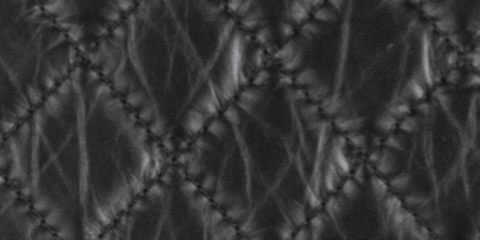 | Aged Calfskin: The 2.55 Reissue look centres on a relaxed, creased surface that drapes naturally in motion. In hand, high-grade aged calfskin feels supple rather than papery, with an organic crinkle that softens rather than cracks with wear. For a detailed breakdown of how shiny aged calfskin drapes and folds in dynamic motion, see our in-hand Chanel 22 Mini review. |
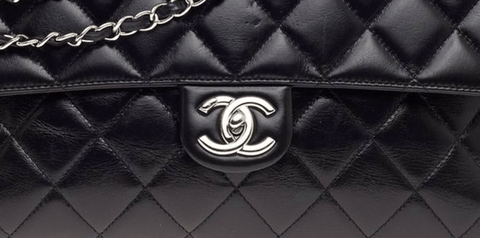 | Glazed Calfskin: Known for its smooth touch and lustrous, reflective appearance. On high-tier replicas, the glaze remains supple and elastic around folds and contact points, avoiding the sticky, plastic stiffness found on cheap coated leathers. |
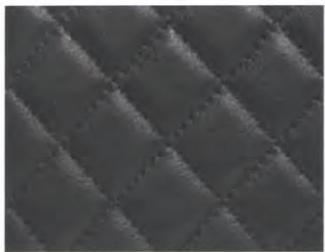 | Quilted Calfskin: A luxurious middle ground. Produced from premium calfskin, it is exceptionally soft and delicate. It features a very fine texture and a smooth finish. When combined with Chanel’s iconic quilting, it creates one of the most sophisticated and complex tactile experiences on the market. |
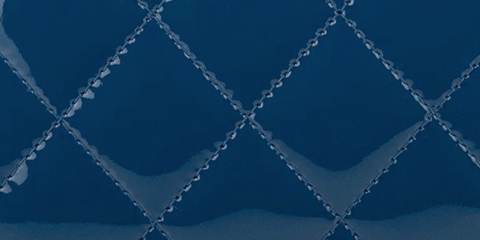 | Patent Calfskin: This structured leather has a glossy coating. On the replica, inspect the surface around folds and seams for tackiness, cracking or uneven finish, and compare its flexibility with the intended reference. |
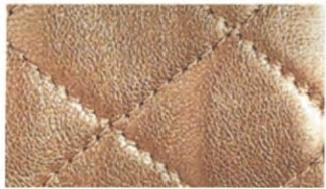 | Metallic Calfskin: Shiny, flickering, and impossible to ignore. Metallic calfskin is undeniably one of Chanel’s most sought-after statement leathers. Achieving the perfect metallic sheen without it looking like cheap foil is a hallmark of an elite replica factory. |
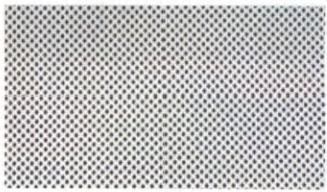 | Perforated Calfskin/Lambskin: These are sporty, modern variants of classic leathers featuring tiny, precise perforations. They offer the same underlying performance and tactile feel as their solid counterparts but provide a unique, breathable, and slightly more casual aesthetic. |
The Resilient Alternatives
For those seeking durability without the distinct look of Caviar, Chanel utilizes other robust animal hides.
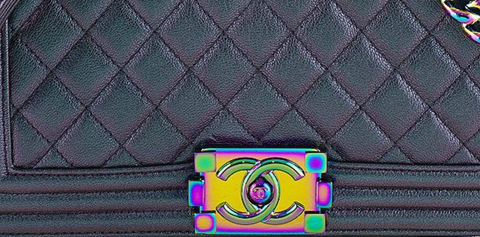 | Goatskin / Chevre: Goatskin is arguably one of the strongest and most durable leathers used in luxury handbags. It is exceptionally tough, allowing the bag to maintain a very crisp, stiff, and structured shape. Despite this rigidity, it remains surprisingly soft to the touch and offers incredible wear resistance. It has become a highly trendy and versatile option in modern Chanel collections. |
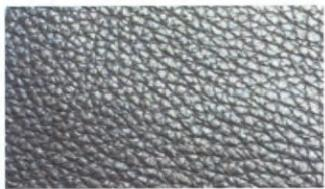 | Deerskin / Cerf: Deerskin offers a slightly different tactile experience than Caviar. While it is not as ruggedly bumpy or deeply grooved as Caviar, it is not completely smooth either. It retains a distinct, elegant pebbled texture that you can easily feel beneath your fingertips, offering a beautiful balance of durability and refined smoothness. |
The Exotic Replacements
Chanel stopped using exotic skins in its collections, so many exotic-look bags now rely on embossed or alternative materials. In replica QC, I focus less on whether an embossed calfskin “perfectly” imitates crocodile and more on scale pattern, embossing depth, panel matching and how the finish behaves around folds and seams.
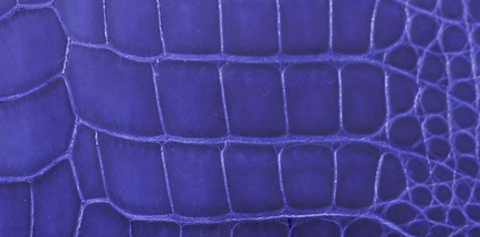 | Alligator Crocodile: One of the most sought-after textures in the industry. It is characterized by its delicate yet ruggedly uneven scales. The finish on these bags is incredibly smooth, and the embossed leather takes color vibrantly, making an Alligator-style replica a stunning centerpiece. |
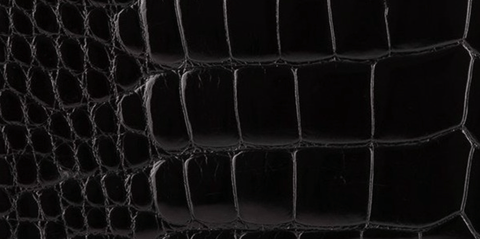 | Porosus Crocodile: Examine the scale arrangement and small pore-like details against the intended reference. On an embossed replica, inspect the actual pattern; the grain scale and sheen should have natural tactile depth rather than a flat synthetic print. |
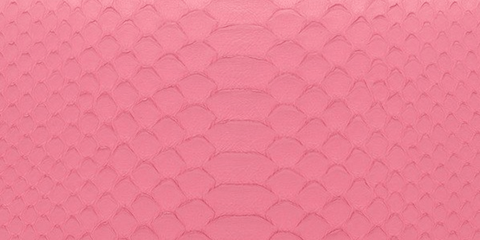 | Python: Beyond mere luxury, Python represents refined elegance. It is celebrated for the brilliant, strategic placement of its scales and its ability to showcase exceptionally vibrant colors. For a python-look replica, compare scale placement, color, folds and edge finishing on the actual material, and confirm its care requirements. |
The Fabrics and Textiles
Chanel is just as famous for its use of innovative fabrics as it is for its leathers. These materials offer entirely different vibes, from cozy to casual.
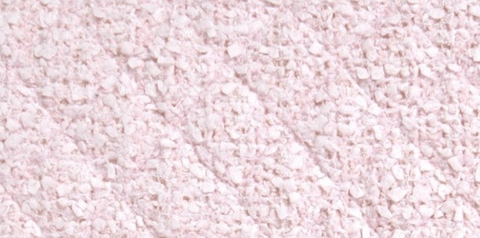 | Tweed: The quintessential Chanel material. Tweed is a wool fabric with a rough, highly tactile feel. It is incredibly flexible, akin to cheviot, but woven much more tightly. It can look absolutely dazzling with bright, multi-colored weaves, or stunningly sophisticated in minimal, dark tones. |
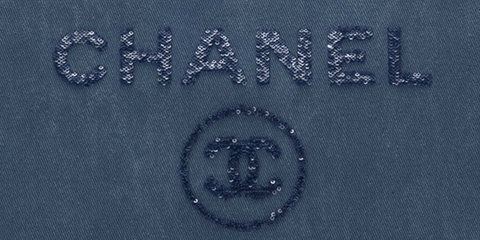 | Canvas: If you are looking for a relaxed, effortless appearance, canvas is an excellent choice. This fabric lacks rigid structure, giving the bag a casual, slouchy, and highly approachable feel perfect for summer days or beach trips. |
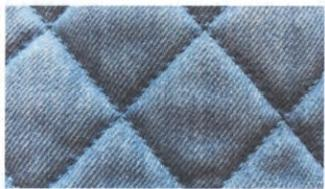 | Denim: Denim (often a heavy twill) simply never goes out of style. A denim Chanel replica injects an immediate sense of youthfulness, streetwear edge, and casual cool into the classic flap silhouette. |
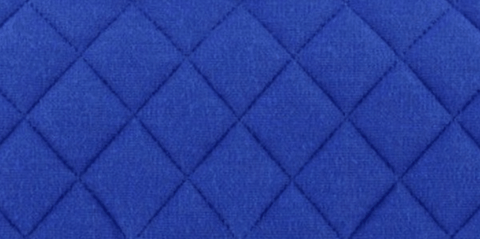 | Jersey: Chanel’s use of Jersey fabric is legendary, dating back to Coco herself. It is a special type of knit fabric that looks simply stunning. It drapes beautifully and offers a perfect, comfortable casual style that makes it an outstanding choice for everyday use. |
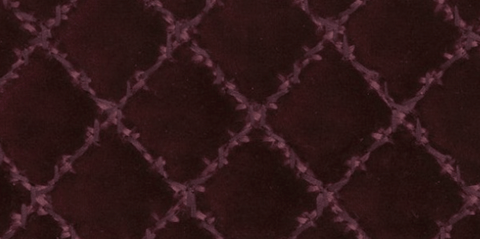 | Velvet: The epitome of evening luxury. Velvet is incredibly soft, comfortable, and undeniably elegant. However, it comes with a warning: it must be handled with extreme care. Velvet crushes easily, and once it sustains a stain, it can severely impact the bag’s appearance, requiring frequent and meticulous maintenance. |
Key Inspection Points for Chanel Leather
A leather claim needs evidence for the exact bag being assessed. Use the checklist below to separate material descriptions from photographs and details that can actually be checked; neither a price nor an AAA label establishes tannery origin.
Critical Red Flags to Avoid:
- Stock Photos: Campaign and catalog images cannot establish the material of a particular bag. Request current photos of that bag, including close-ups of grain, quilting, corners and edges; keep reference images separate from item-specific evidence.
- Price is not a grade: An extremely low price can be a warning sign when a seller is promising costly materials and detailed handwork, but a higher price does not prove either. Ask for current photos of the actual version, material description, dimensions and QC/PSP images before relying on a tier label.
- Unsupported Answers: Ask which material details are documented and which are only claimed. A tannery name, factory label or confident answer does not substitute for evidence of the bag’s leather, construction or measurements.
Everyday Care and Maintenance by Leather Type
Understanding your leather’s characteristics directly dictates how you should care for it. Delicate lambskin demands gentle handling and shaped storage to protect its puffy quilting, while caviar and goatskin handle daily exposure with minimal fuss.
Care should follow the actual material, not the seller’s tier label. If your replica uses genuine lambskin or calfskin, many of the same basic leather-care principles apply, but finishes and coatings can differ, so always test conditioners on an inconspicuous area first.
Maintenance Tips for Delicate Leathers (Lambskin, Smooth Calfskin)
Because these leathers are highly absorbent and delicate, they require a gentle, consistent touch.
- Daily Care: Wipe the bag down with a dry, clean microfiber cloth after every single use to remove environmental dust and acidic body oils from your hands.
- Scratch Repair: Confirm the actual lambskin finish before treating a light scratch. Follow material-specific care advice and test any proposed method on an inconspicuous area first.
- Conditioning: Use a conditioner only if it is suitable for the actual leather and finish. Follow its instructions and test on an inconspicuous area first.
- Storage: NEVER store lambskin touching another patent leather bag, as irreversible color transfer can occur. Store it in its breathable cotton dust bag, stuffed with acid-free tissue paper to maintain the puffy quilting, and ensure the heavy metal chain strap is tucked safely inside so it doesn’t press into the soft leather and leave permanent indentations.
Maintenance Tips for Durable Leathers (Caviar, Goatskin, Aged Calfskin)
These leathers are tougher, but they are not invincible and still require hydration.
- Cleaning: For dirt or light spills on Caviar or Goatskin, a slightly damp (not wet) soft cloth can be used to gently wipe the pebbled surface. Dry it immediately with a separate, clean cloth.
- Conditioning: Check the calfskin finish and condition, especially at high-friction corners. If conditioning is appropriate, use a compatible product according to its instructions after a hidden-area test.
- Corner Care: The highly structured edges of a Caviar bag are prone to rubbing. Be exceptionally mindful of setting your bag down on rough surfaces like concrete floors or brick walls to prevent corner wear and color loss.
While understanding standard AAA quality is a great starting point for any luxury enthusiast, certain brands require an even higher level of craftsmanship. If you are specifically looking for the ultimate 1:1 superfake and want to understand the exact differences between factories like Xiao C and 187 Factory, check out our comprehensive guide on the Top Tier Chanel Replica designer Bags.
Which is better for an everyday work bag: Chanel Caviar or Lambskin?
Caviar is by far the better choice for everyday use. Its embossed pebbled finish resists scratches from keys, fingernails, and rough surfaces, and it handles light moisture without staining. Lambskin is unmatched for evening elegance, but it requires mindful handling to avoid visible scuffs.
Do high-tier Chanel replicas use genuine leather?
Yes, high-tier replicas from reputable workshops use genuine calfskin and lambskin, often sourced from European tanneries like HAAS. Lower-tier bags frequently use split leather coated in heavy polyurethane, which feels rubbery and lacks natural breathability.
Can light fingernail scratches on lambskin be buffed out?
Yes. Very light fingernail marks on smooth lambskin can often be buffed out using clean, warm fingertips or a specialized leather cloth. The gentle friction and natural body warmth help redistribute the natural oils in the leather. Deep gouges that break through the surface finish, however, cannot be buffed away.
Will Chanel lambskin lose its puffy quilting over time?
With regular use, lambskin quilting naturally relaxes and softens where your arm rests against the bag. To preserve the diamond puffiness, always store the bag unstressed, lightly stuffed with acid-free tissue paper, and never stack other items on top of it.

12 comments
Omg, this guide is a lifesaver! I’ve been debating between Caviar and Lambskin for a Classic Flap. I wear dark jeans a lot—will the lambskin get color transfer if I wear it as a crossbody?
Light leather can be vulnerable to transfer from dark denim. I would check the actual finish and care guidance for either Caviar or lambskin; a grained finish does not make a crossbody worry-free against dark clothing.
This is exactly what I needed. Every site I check for Top Quality AAA Chanel bags looks so sketchy with stolen Instagram photos. How do I actually find a seller who uses real leather like you described?
Start by requesting current images of the actual bag: grain, quilting, corners and edges, followed by a short panel-movement clip. Ask for the stated leather specification in writing. Keep those images separate from campaign or catalog references.
I accidentally scratched my lambskin replica with my car keys yesterday and I could cry. It’s a 1:1 mirror bag. Is it ruined forever?
A scratch does not tell me the leather grade or whether it can be reversed. Confirm the finish before treating it, avoid further rubbing, and seek material-specific care advice for the mark. The 1:1 label does not establish genuine lambskin.
Really helpful article! Can you tell me more about the Aged Calfskin on the Reissue bags? Does it feel dry compared to the Caviar? I love the vintage look but I don’t want a stiff bag.
Thank you, Elena! Aged Calfskin actually feels incredibly soft and pliable, not dry at all. It has a beautiful “broken-in” feel right out of the box, whereas Caviar is much stiffer. It’s absolutely perfect if you want a low-maintenance bag with that relaxed, vintage rocker vibe.
I just got my first AAA bag and it smells a bit… strong. Does the genuine leather on these replicas take time to air out, or did I get scammed with PU plastic?
A strong odor is a condition issue to raise with the seller. It cannot identify PU or confirm genuine leather, even after airing. Ask for the actual material specification and the available remedy if the odor persists.
I’ve been eyeing a Porosus Crocodile flap. Do the top factories really get the tiny pores right on the embossed calfskin? I’m worried it will look like a cheap printed pattern.
Request macro photographs of the exact embossed surface, including the scale centres and transitions. I would judge the visible pattern first; a factory or tier label cannot establish the pressing method or guarantee a 1:1 result.