
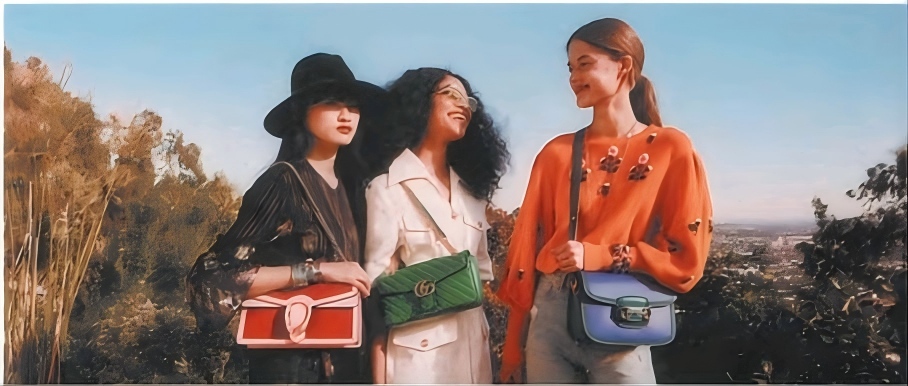
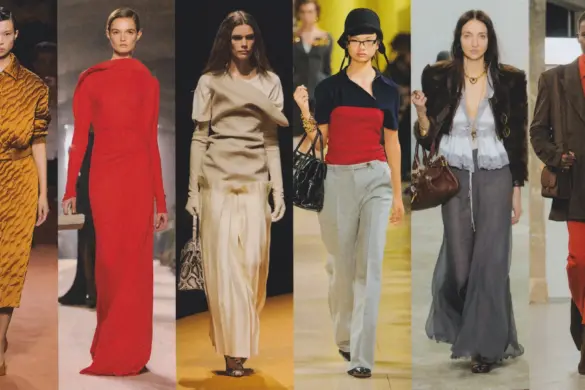
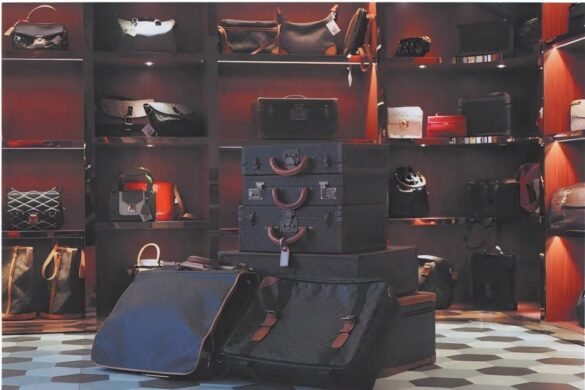
A bag is the architectural anchor of an outfit. The way a handbag meets your silhouette changes how the entire ensemble moves: pair an oversized slouchy tote with wide-leg trousers and the volume can feel overwhelming; swap it for a crisp, structured shoulder bag and the proportions immediately gain definition.
Successful styling is not about following rigid old-school fashion formulas. Instead, it balances three practical relationships: proportion (the bag’s scale against your clothing’s volume), texture (contrasting smooth box-calf leather against brushed knitwear or wool tailoring), and color harmony (grounding neutrals or introducing deliberate focal points). When these elements align, a handbag feels integral to your personal style rather than an afterthought.
This guide breaks down practical bag matching into real-world styling scenarios, five go-to outfit combinations, and a nuanced color pairing framework designed to work with garments you already own.
Table of Contents
Wardrobe Styling Scenarios: Matching Bags to Daily Routines
Tailored & Professional: Clean Lines and Structured Carry
In workplace environments, formal meetings, and tailored daywear, structured handbags provide visual backbone. Pair a clean top-handle or firm north-south tote—such as The Row Park Tote or Margaux—with a structured wool blazer, crisp shirting, or wide-leg pleated trousers. The clean geometric lines balance the drape of tailoring without collapsing under the weight of documents or everyday tech.
If you prefer a shoulder bag for commuting, opt for a leather tote with a reinforced base and firm gussets. Structured bags in deep neutral tones—black, dark espresso, or rich charcoal—signal focus and executive polish without requiring loud hardware embellishments.
Relaxed Casual: Soft Totes and Crossbodies for Everyday Ease
For weekend errands, market visits, and relaxed off-duty days, the key is balancing volume. An oversized slouchy hobo balances wide denim and chunky knitwear naturally, while a compact crossbody keeps relaxed trench coats from looking swamped. Choosing tactile materials—such as supple grained calfskin, washed canvas, or the woven leather explored in our Bottega Veneta guide—adds rich visual texture to simple casual layers.
When your outfit consists of casual basics—like white sneakers, vintage denim, and a relaxed cotton tee—the handbag becomes the unifying piece that pulls the look together. A semi-slouchy shoulder bag in caramel or warm taupe bridges casual comfort with deliberate refinement.
Evening & Formal: Compact Silhouettes and Refined Hardware
Formal occasions—galas, weddings, theater evenings, and cocktail dinners—call for restraint in proportion. Large functional totes immediately clash with the delicate drape of eveningwear. Choose compact silhouettes: an architectural minaudière, a sleek leather baguette, or a delicate chain-strap flap bag.
In formal contexts, hardware functions as fine jewelry. Pay attention to metal tones: warm polished brass or gold-plated turnlocks complement warm silks and velvet, while cool palladium or silver chains pair seamlessly with crisp monochromatic black or jewel tones.
Accent Styling: Thoughtful Color and Tactile Contrast
When your wardrobe leans heavily on neutral foundations (black, ivory, camel, or slate grey), a handbag is your most effective tool for introducing intentional accent styling. Rather than overwhelming your silhouette with busy patterns, carrying an east-west baguette in deep burgundy, racing green, or mustard yellow creates an immediate focal point.
Tactile contrast is equally potent: pair matte wool knitwear with high-shine patent trim, or smooth box calf leather with textured bouclé jackets. This interplay of surfaces gives neutral outfits depth without competing for visual dominance.
Five Go-To Outfit and Bag Combinations
When you are uncertain how to begin coordinating, these five proven outfit-and-bag pairings provide immediate, balanced blueprints for diverse settings:
- Grey Tailored Suit + Black Structured Tote: The sharp geometric lines of a box-calf black tote ground the cool heather tones of a wool blazer and wide trousers, projecting executive polish with zero visual clutter.
- Cream Knitwear + Dark Denim + Cognac Leather Shoulder Bag: Rich, warm cognac leather bridges the high-contrast gap between soft oatmeal cashmere and deep indigo denim, introducing rich organic warmth.
- White Shirt + Navy Trousers + Burgundy Handbag: Deep oxblood or burgundy acts as a refined alternative to black, providing an unexpected pop of color that enriches crisp corporate shirting.
- Beige Trench Coat + Dark Brown Leather Bag: Dark espresso brown provides grounded tonal contrast against fluid camel or khaki gabardine, offering softer depth than harsh jet black.
- All-Black Outfit + Muted Green Handbag: An olive or sage leather shoulder bag breaks up monochromatic black layers with an earthy, understated touch of vitality.
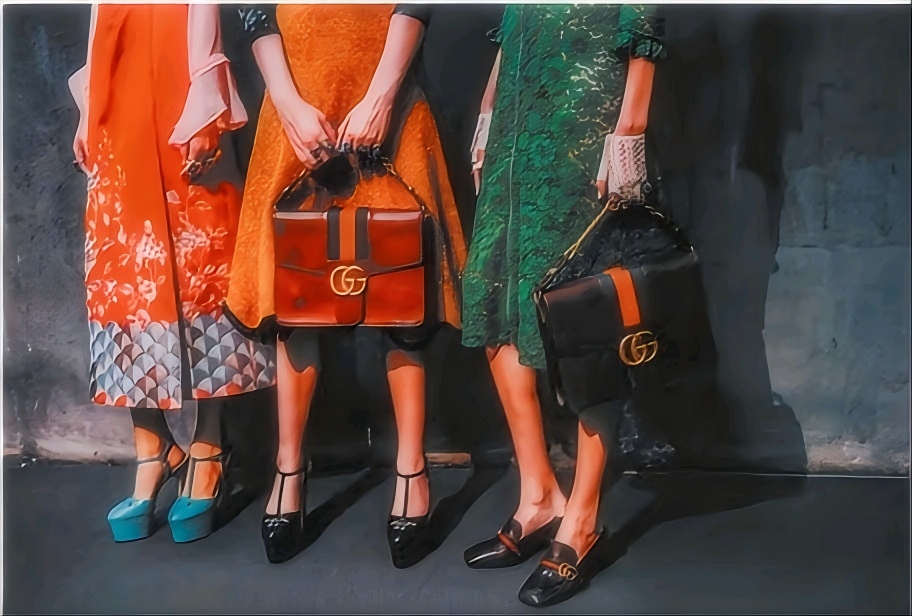
Color Harmony: Practical Handbag Palette Pairing
Instead of relying on rigid, abstract symbolism, thoughtful color coordination is rooted in optical contrast, color temperature, and surface reflectivity. Here is how to style primary handbag colors with real-world wardrobe pieces:
Black Bags: Sharp Definition for Tailored Layers and Light Separates
Black is the foundational anchor of leather accessories. It creates sharp graphic definition against beige trench coats, cream knitwear, and light vintage denim. When wearing an all-black outfit, prevent flatness by varying surface textures: pair smooth box calf leather with brushed wool, or glossy patent trim with matte cotton.
White & Cream Bags: Crisp Highlights for Earthy and Denim Tones
Crisp white and warm ivory bags provide high-contrast focal points that immediately freshen an outfit. They look exceptionally modern paired with winter neutrals—such as oatmeal cashmere and grey flannel—as well as summer linen and dark indigo denim. Rather than stark optical white, warm chalk or ecru tones offer softer transitions against earthy palettes.
Grey Bags: Cool Mid-Tone Balance for Minimalist Wardrobes
Grey leather acts as a sophisticated bridge between stark black and crisp white. Medium charcoal and slate grey bags harmonize seamlessly with cool-toned separates: crisp light-blue cotton shirts, navy overcoats, and icy pastel knits. A soft pebble-grain grey tote softens sharp tailoring without the severity of pure black.
Brown, Tan & Cognac Bags: Warm Anchors for Denim, Navy, and Cream
From caramel and honey saddle leather to deep dark chocolate, brown tones inject organic warmth into structured clothing. A cognac shoulder bag looks unmatched beside dark denim jackets, navy pleated trousers, and chunky ecru knitwear. When styling brown bags with trench coats, choose a shade noticeably darker or lighter than the coat fabric to avoid muddy tonal blending.
Navy & Blue Bags: Subtle Depth for Tailored Silhouettes
Navy leather provides a refined, discreet alternative to black. It pairs effortlessly with crisp white shirting, light grey suiting, and warm camel overcoats. A midnight-blue crossbody adds rich dimension to tonal blue denim outfits, creating an intentional, monochromatic depth.
Red & Burgundy Bags: Classic Focal Points for Neutral Outfits
Deep wine, oxblood, and burgundy function as versatile evening neutrals, harmonizing effortlessly with camel, charcoal, and forest green. Brighter cherry red works best as a targeted exclamation point: carrying a compact red shoulder bag against an understated black sweater or white linen dress creates instant, confident focal impact.
Green & Olive Bags: Earthy Vibrancy and Tonal Layering
Green is an exceptionally adaptable semi-neutral. Contrary to the misconception that green bags cannot be worn with green clothing, tonal layering looks remarkably sophisticated: an olive grained leather tote against a deep forest green wool coat or sage silk shirt creates rich textural depth. Olive also pairs effortlessly with raw denim, tan trench coats, and white linen separates.
Pastel, Blush & Jewel-Tone Bags: Soft Accents and Rich Evening Depth
Soft pastels—powder blue, butter yellow, and blush pink—soften heavy cold-weather tailoring like charcoal wool and dark denim, while complementing summer linen. In contrast, deep jewel tones like plum, emerald, and amethyst provide dramatic evening depth when paired with silk, velvet, or tailored tuxedo suits.
Final Principles: Everyday Matching with Discernment
Successful everyday bag matching comes down to confidence and discernment rather than dogmatic rules. Keep these concluding guidelines in mind as you curate your rotation:
- Prioritize Proportion Over Brand Hype: Ensure the scale of your handbag flatters your height and the volume of your clothes. Oversized totes overwhelm delicate silhouettes; micro-bags get lost against heavy winter shearling.
- Harmonize Hardware Tones: Check that the bag’s metallic buckle or chain complements your jewelry and belt hardware without clashing sharply.
- Embrace Tactile Contrast: Pair smooth box-calf hides with textured knitwear, or grainy pebbled leather with sleek tailored suiting to create visual dimension.
How do I choose between a structured handbag and a slouchy bag for work?
Base your decision on what you carry and your outfit’s volume. If you carry a laptop, notebooks, and tech accessories, a structured tote or briefcase keeps weight organized and sharpens relaxed tailoring. If your workplace is business-casual and you wear structured blazers or trench coats, an unlined slouchy shoulder tote introduces soft, balanced drape.
Should my handbag strictly match my shoes and belt?
Strict color matching—such as identical patent shoes, belt, and bag—often looks dated and rigid. Modern styling prioritizes tonal harmony: pair warm leather tones (such as a cognac bag with tan boots) and ensure metal hardware (a gold turnlock with gold jewelry or belt buckles) coordinates smoothly.
Can I pair a green or burgundy bag with non-neutral clothing?
Yes. Deep olive and burgundy function as organic semi-neutrals. Burgundy pairs naturally with forest green, dusty pink, light blue, and mustard, while olive green harmonizes with burnt orange, navy, and tonal shades of sage. The key is coordinating color saturation rather than matching hues exactly.
What size bag works best for formal and evening occasions?
Formal events call for compact, curated carry: clutches, compact baguette bags, or delicate chain-strap minaudieres (typically under 22 cm in width). The bag should be proportionate to eveningwear fabrics (silk, satin, velvet) and sized only for essential items: smartphone, lipstick, cards, and keys.

5 comments
Talentem bije każdy Twój wpis i post, twórcze myślenie nie sprawia Ci problemu, to się nazywa intelektualny most, on sprawia wielką radość każdemu odwiedzającemu.
Jako obserwator twojego bloga, zastanawiam się, czy korzystasz z jakichś narzędzi analitycznych do monitorowania ruchu na stronie i czy to wpływa na wybór treści w przyszłości?
I am really grateful to the holder of this site who has shared this impressive post at at this place.
You really make it appear so easy along with your presentation however I in finding this topic to be really something that I think
I might never understand. It sort of feels too complex and
very vast for me. I am looking ahead for your next put up, I’ll attempt to get the hold of it!
It’s the best time to make a few plans for the longer term and it is time to be happy.
I’ve learn this submit and if I may I desire to recommend you some fascinating issues or tips.
Maybe you can write next articles referring to this article.
I desire to learn more things approximately it!