
Introduction: The Allure and Mystery of Hermès Craftsmanship
Among luxury handbags, no name commands more respect than Hermès. Every Birkin, Kelly, or Constance represents centuries of tradition and an unwavering devotion to craftsmanship. With retail prices often starting around $10,000 and climbing into six figures, these pieces have become the ultimate symbol of understated wealth and artistry.
Yet in today’s secondary and collector market, discerning genuine bench-craft from high-tier custom work requires looking far beyond surface appearance. Independent bespoke ateliers frequently source authentic French calfskin and apply traditional hand tools. For collectors and authenticators, understanding these technical distinctions is essential—not only to establish provenance, but to appreciate the exacting artisanal standards that define authentic luxury leatherwork.
In this foundational guide, we examine the structural and metallurgical hallmarks of genuine Hermès craftsmanship—from heat-debossed typography and verified exotic skin markings to CNC-milled and hand-finished hardware, saddle-stitching mechanics, and layered edge finishes. By analyzing how authentic pieces are constructed at the workbench, collectors and connoisseurs can evaluate handbag quality with technical clarity rather than oversimplified checklists.
For the meaning and limitations of labels such as AAA, see our replica quality terminology guide. Those market labels do not establish the material origin or construction quality of the samples compared here.
Table of Contents
The Hermès Craftsmanship Philosophy
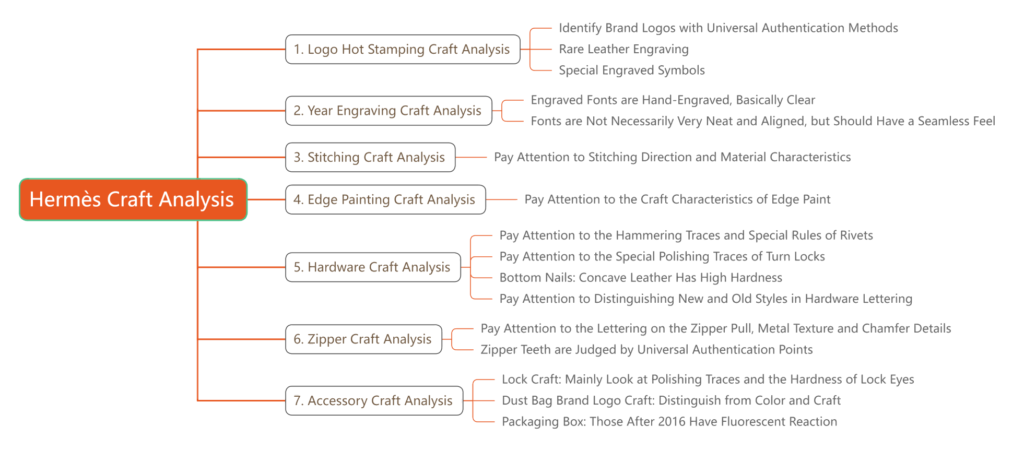
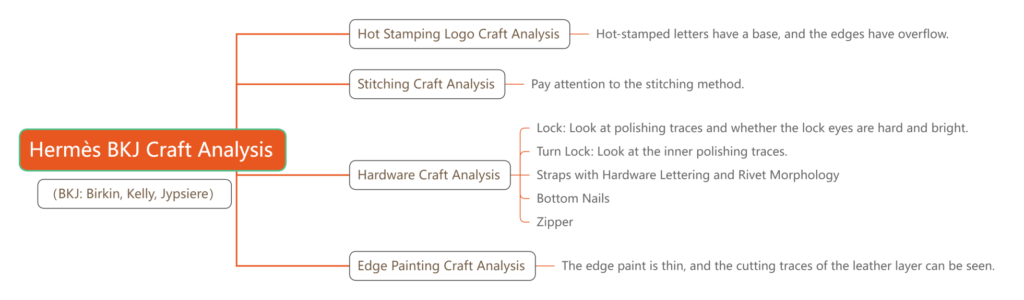
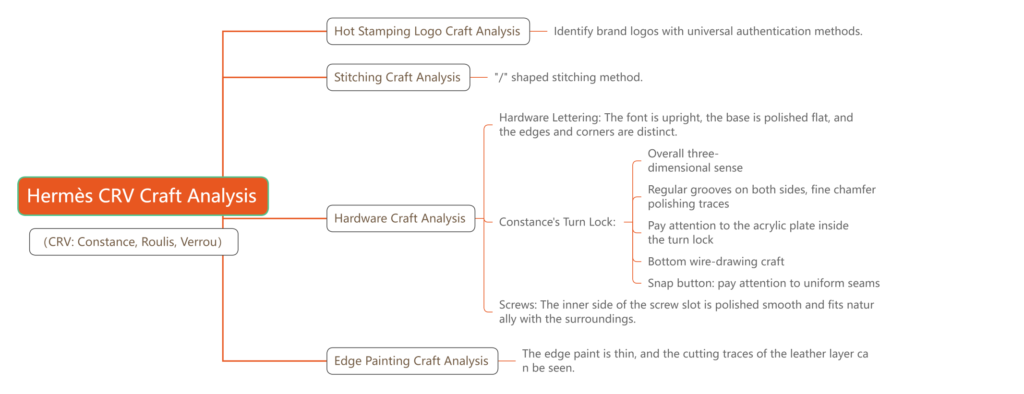
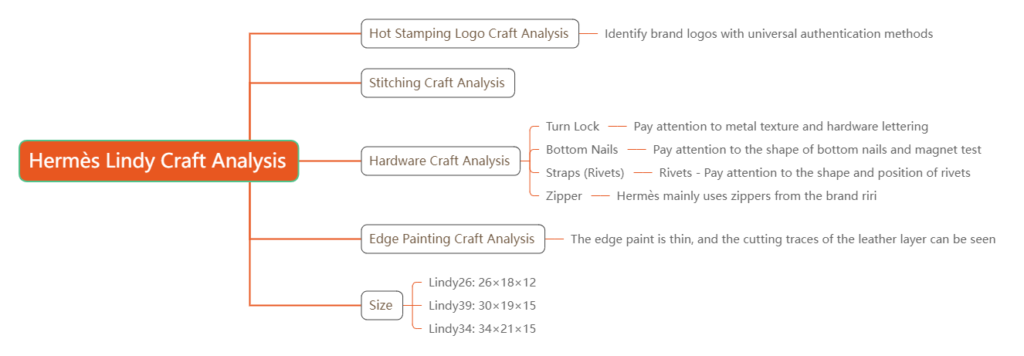
To truly evaluate genuine Hermès bench-craft, one must first understand the brand’s distinct workshop discipline. Founded in 1837 as an equestrian harness maker, Hermès rejects industrialized assembly lines. Each handbag is assembled, hand-stitched, and edge-burnished by a dedicated artisan. Production timelines vary considerably by model architecture: while simpler flap silhouettes require dedicated bench time to cut, skive, and edge-finish each component, complex designs like a Birkin—with its dual-rolled handles, accordion gussets, and extensive sangle anchoring—can require approximately 40 hours of focused assembly according to Christie’s auction archives. Exotic skins such as Porosus crocodile or Niloticus require specialized hand-skiving and stone-glazing that can extend the crafting timeline across several weeks.
This devotion to deliberate, meticulous handwork defines Hermès craftsmanship. Rather than machine-stamped uniformity, hand-stitched saddle seams exhibit a rhythmic, organic cadence—where thread tension remains balanced while naturally adapting to changes in leather density. High-tier counterfeits often produce stiffly identical machine stitches or over-exaggerate slanted angles, failing to replicate the balanced rhythm achieved by experienced bench artisans.
Every classic Hermès handbag is shaped by the disciplined hands of an artisan following rigorous atelier protocols. The precision, patience, and material mastery involved are virtually unmatched in modern luxury leather manufacturing. To understand how these bench-craft methods contrast with mass-market production techniques, explore our Luxury Bag Craftsmanship Guide: Structure, Materials & Replica Checks (2025), detailing how structural geometry, stitching angles, and edge-dye layering define authentic bench-quality execution.
However, the world of AAA replica Hermès bags is changing. Today’s top-tier replicas employ skilled leatherworkers trained in traditional techniques, using full-grain calfskin, chèvre, or even crocodile leather. While these replicas may not hold the same heritage, they increasingly reflect the craftsmanship DNA that once defined only Hermès. For discerning buyers, the difference is no longer about quality alone—but about authenticity, origin, and intention.
Hot Stamping & Exotic Marking Analysis
One of the first clues in identifying a real Hermès bag vs a replica lies in the hot stamping—the small gold or silver “HERMÈS PARIS MADE IN FRANCE” mark found under the flap or near the handle base.
1. Hot Stamping Craftsmanship
In a genuine bag, each letter of the Hermès stamp is hand-pressed with heat and gold foil, leaving behind a shallow, precise groove known as a press mark. The impression is slightly irregular because it’s done manually. You’ll also notice a faint overflow of gold foil around the edges—a natural result of human application.
By contrast, replica Hermès bags often use laser embossing or cold pressing, producing flat, uniform letters with no visible depth or heat reaction.
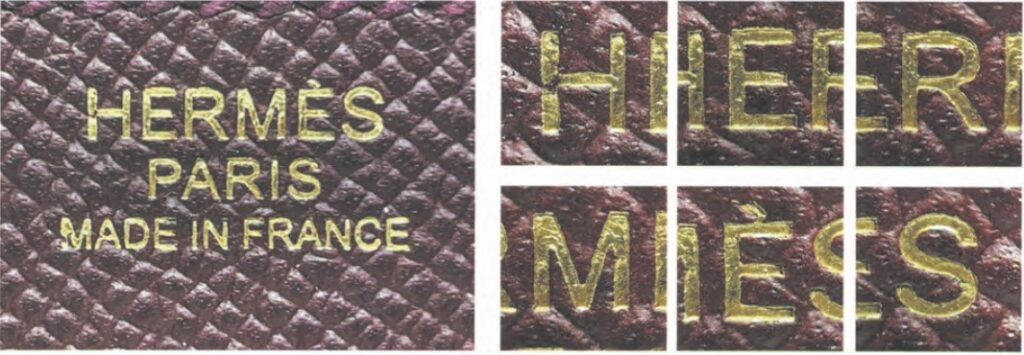
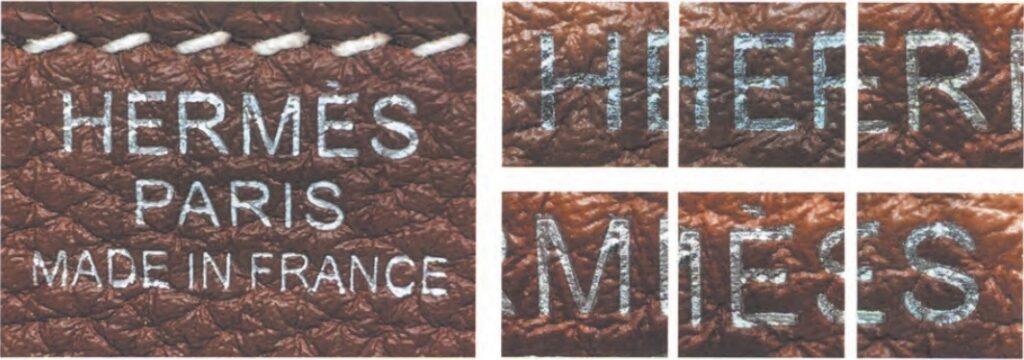
However, in recent years, AAA replica Hermès bags have narrowed this gap dramatically. Premium replicas now replicate even the subtle press-groove texture and light foil spill that used to signal authenticity. Unless inspected under magnification, their hot stamping can appear virtually identical to that of an authentic Hermès bag.
2. Rare Leather Symbols and Codes
Hermès uses a system of tiny symbols to identify exotic skins:
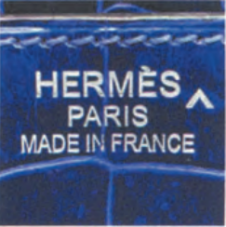 | 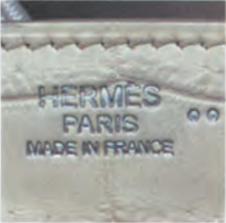 |  | 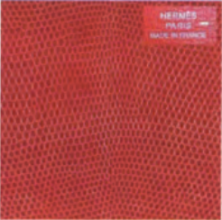 | 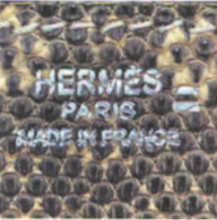 |
| “/\” marks | “••” marks | “□” marks | “–” marks | “=” marks |
| Porosus crocodile | Niloticus crocodile | Alligator mississippiensis | Niloticus lizard | Varanus salvator lizard |
These markings are usually placed near the hot stamp or under the flap. Authentic Hermès craftsmen emboss these symbols with subtle depth and tactile resistance. Many fake Hermès bags overlook these details or misplace the mark entirely.
3. Special Hermès Marks and Their Meanings
Beyond leather codes, Hermès also uses special marks reserved for unique production categories:
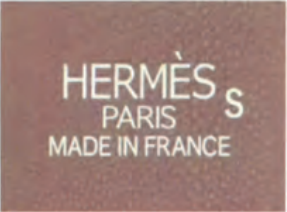 | 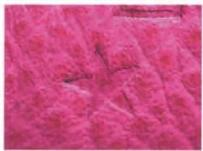 | 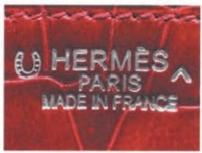 |  |
| Shooting Star (★) | Artisan Star Detail | Horseshoe Stamp (⩗) | Bespoke / Archival Motif |
| Personal creation handcrafted by an Hermès artisan for personal use (not for commercial sale) | Fine 5-point shooting star debossed cleanly beside the brand stamp | Official Special Order (HSS) customized for invited VIP collectors | Rare bespoke motif occasionally seen in archives; requires auction provenance verification |
In secondary auctions (such as Christie’s and Sotheby’s), authentic Hermès special production marks are rigorously documented by verified provenance:
- Shooting Star (★): Signifies a handbag crafted by an Hermès artisan for their personal use or as a gift to an immediate family member. The star symbol is cleanly debossed directly adjacent to the “HERMÈS PARIS MADE IN FRANCE” stamp. While originally conceived as non-commercial personal creations, authentic examples occasionally surface in specialized auction sales or private collections with established provenance.
- Horseshoe Stamp (HSS / ⩗): Denotes an official Hermès Special Order (Sur-Mesure), granted by invitation only to top collectors. An HSS piece typically features bespoke multi-color leather pairings (interior/exterior contrast), custom stitching hues, and unique brushed or permabrass hardware combinations.
- Debunking Online Lore: Collector forums often circulate rumors of an “S” staff stamp or a “Meteor” mark denoting mythical master artisan tiers. While Hermès does occasionally mark private sale items or press samples with discrete internal punches (such as an “S” for soldes on small leather goods), luxury handbags sold through official channels carry documented HSS or artisan star provenance. Any piece bearing unverified symbols must be vetted against auction archives rather than forum mythology.
Authentic hot debossing reflects an artisan’s practiced touch—applying just the right balance of temperature and pressure so the foil bonds cleanly into the leather grain without bleeding or haloing. Next, let’s examine the internal date stamps and artisan codes that record the origin of each piece.
Date Stamps & Artisan Codes
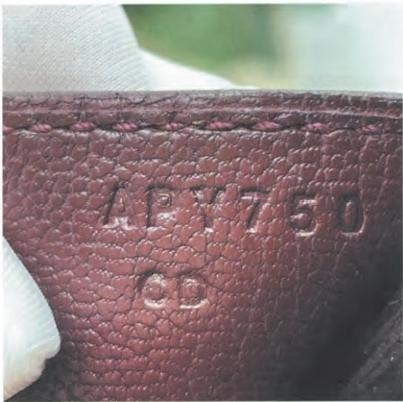
Most authentic modern Hermès handbags carry a blind date stamp and artisan code debossed into the leather. However, as Christie’s auction guidelines note, not every genuine piece displays an obvious, legible stamp. Vintage bags predating modern coding formats, special bespoke commissions, or pieces that have undergone extensive atelier spa service and panel replacement may feature faint or absent markings. Where present, Hermès uses a coded sequence of letters and shapes to identify production years and workshops.
Editorial note on date codes: This chronological letter-year chart represents an empirical reference framework compiled by luxury auction specialists and vintage collectors based on decades of recorded sales and boutique receipts. Hermès does not publish an official public decoder or treat date stamps in isolation as anti-counterfeiting certificates; counterfeiters frequently stamp corresponding year letters, making stamp geometry, font depth, and leather context far more revealing than the letter itself.
From 1945 to 1970, date stamps appeared as single letters without borders (A–Z). Between 1971 and 1996, Hermès used a circle frame; from 1997 to 2014, the square frame system appeared. After 2015, the brand dropped the border again, using stand-alone letters such as “T,” “X,” “A,” “C,” and “D.”
These stamps often appear discreetly—on the Birkin and Kelly, you’ll find them behind the strap or inside the bag opening. For Evelyne models, the stamp hides behind the small ear-shaped flap.

In genuine bags, the Hermès date stamp is hand-stamped with a metal die prior to final assembly. Because the metal punch is struck manually by the craftsman, the impression depth can vary subtly depending on the density of the leather grain, and the baseline alignment may show microscopic human variance.
However, it is a critical misconception to assume that slight irregularities or crookedness “prove” authenticity. High-tier counterfeit workshops today utilize manual steel dies and replica hand-punching techniques specifically to simulate artisanal imperfections. Blind stamps are internal workshop management records—tracking the year of production, workshop atelier, and individual artisan—rather than cryptographic anti-counterfeiting seals. A convincing stamp cannot validate an anatomically incorrect silhouette, nor does a faint or worn stamp on a vintage bag condemn an authentic piece.
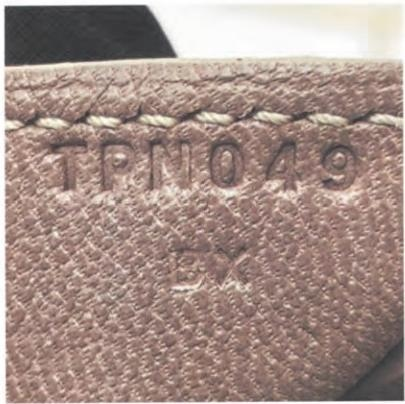 | 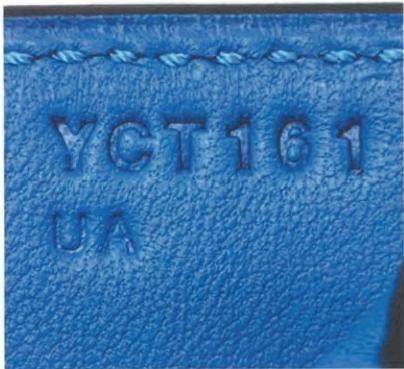 | ||
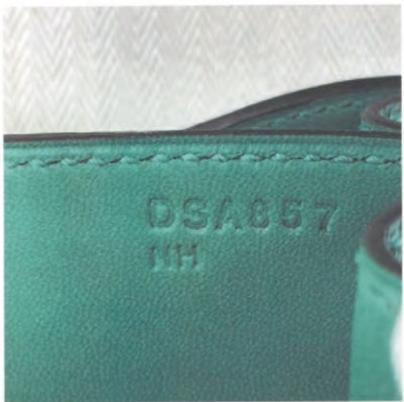 |  | ||
 |  |  | 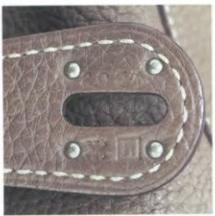 |
While custom workshops attempt to replicate these hand-stamped codes, close scrutiny under magnification often reveals modern laser-guided or photochemically etched stamp dies that lack the sharp, clean planar stroke bottoms of historical French steel punches. Furthermore, counterfeiters frequently mispair post-2015 blind letters with obsolete atelier codes or incorrect hardware plating.
Date codes and artisan codes provide valuable historical context regarding a bag’s production era—but they must never be evaluated in isolation. Metallurgical finishing, leather provenance, saddle-stitching tension, and mechanical tolerances form the primary chain of physical evidence. For readers who want to expand their expertise across other luxury houses, our How to Spot Fake Designer Bags: Complete Luxury Authentication Guide breaks down foundational evaluation principles across Chanel, Dior, and Louis Vuitton.
Hardware and Zipper Craftsmanship
If the leather is Hermès’ soul, then the hardware is its jewelry. Each buckle, screw, and padlock on an authentic Hermès bag is individually cast, polished, and engraved by hand.
1. Hardware Engravings
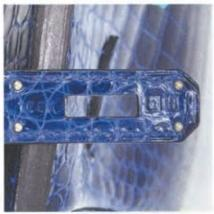
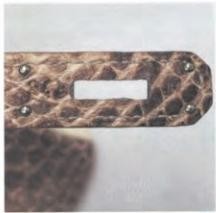
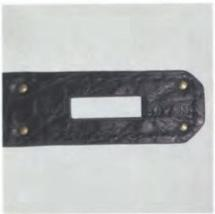
Classic Hermès hardware bears the engraving “HERMÈS – PARIS.” The spacing, dash placement, and letter depth vary slightly by year and model. For instance, vintage Birkin bags from the Square M era feature sharper serif letters, while modern pieces have smoother contours and polished bevels.
The surface of real Hermès hardware shows fine directional brushing and micro-scratches—signs of genuine hand polishing. By contrast, many fake Hermès bags use plated metal that looks too shiny and feels lighter.
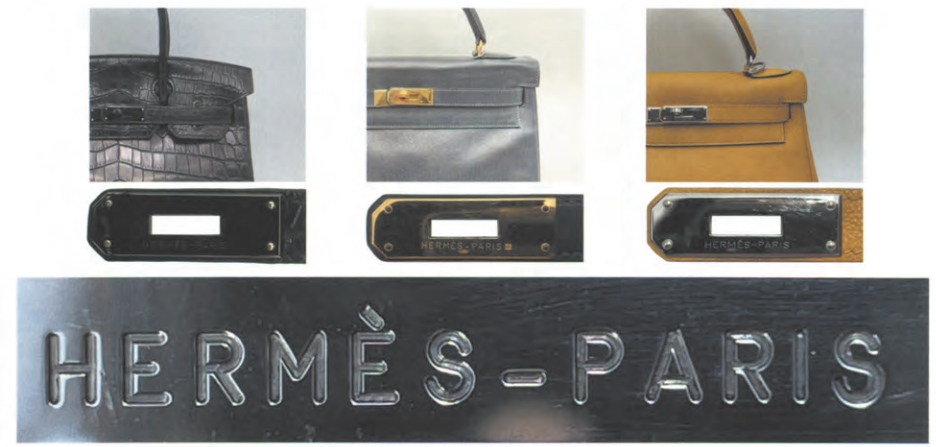
 | 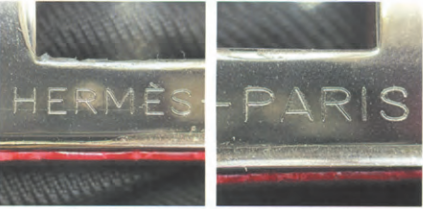 |
| Image from Constance – Year Stamp: Y | Image from Lindy – Year Stamp: R in a square frame |
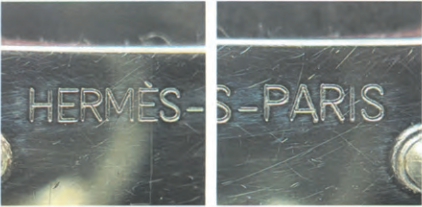 | 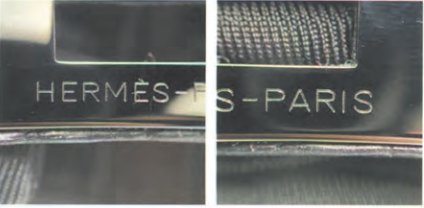 |
| Image from Birkin – Year Stamp: N in a square frame | Image from Birkin – Year Stamp: M in a square frame |
Modern AAA replica Hermès bags now use solid brass and achieve near-perfect font replication, even mimicking the beveled edges of the original hardware. When compared side by side, the main difference lies in tactile feel: authentic pieces have a denser, colder weight due to their precision alloys.
2. Zipper Details
Hermès primarily uses riri-brand zippers, a Swiss manufacturer renowned for precision metal teeth. In an authentic Hermès bag:
- Each tooth is polished and chamfered individually.
- The zipper pull is engraved with a fine “HERMÈS” or “riri” logo on the back.
- The slider base features an H-shaped metal stop, often hand-finished with visible polishing lines.

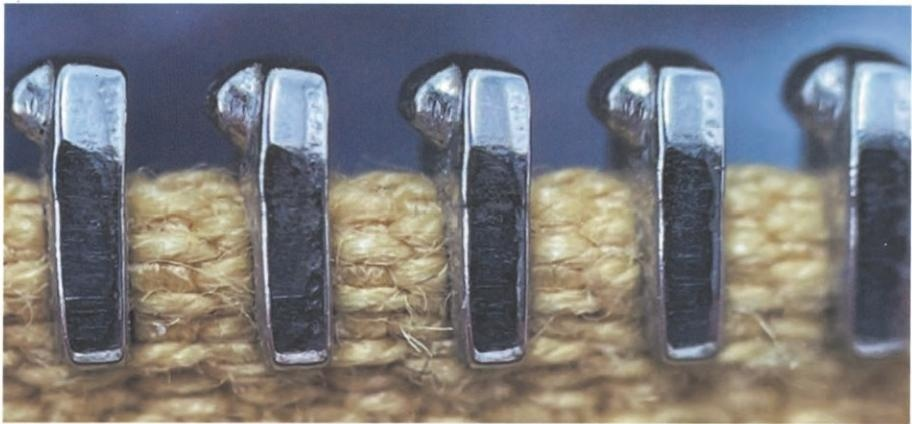
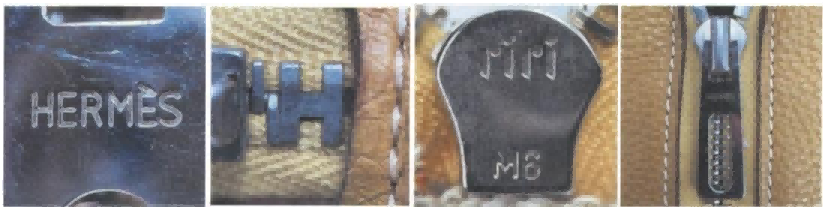
Compare the zipper’s teeth, slider, installation and movement on the exact bag. A riri name or similar resistance does not establish identical components or authentic origin; keep any maker claim tied to its documentation.
In short, when inspecting a Hermès bag—real or replica—the hardware tells you everything about the maker’s standards. Precision doesn’t lie.
3. Hardware and Zipper Macro Comparison
To observe how hardware and edge finishing manifest in practice, the following macro comparison examines a specific authentic Hermès Lindy 30 sample (Elephant Grey Clemence) alongside a replica counterpart (Milkshake White). It should be noted that this examination illustrates the build quality and finishing nuances of this particular comparative test pair; while features like beveled zipper teeth and clean rivet seating reflect Hermès atelier standards, specific hardware suppliers and dimensions naturally vary across bag models, production years, and atelier batches.
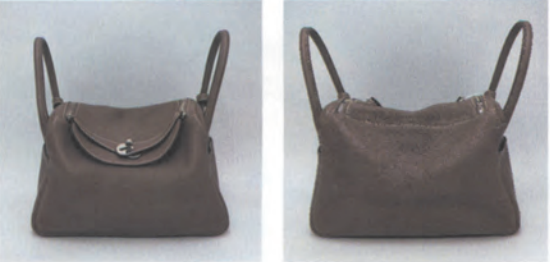 | 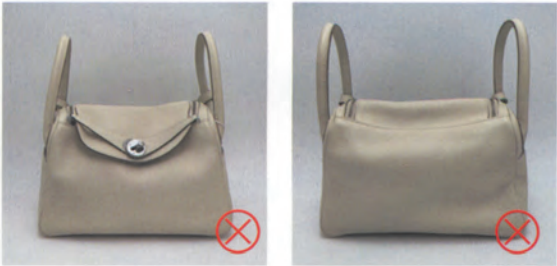 |
| Authentic Elephant Grey Lindy 30 (Benchmark Reference) | Counterfeit Milkshake White Lindy 30 (Commercial Replica Sample) |
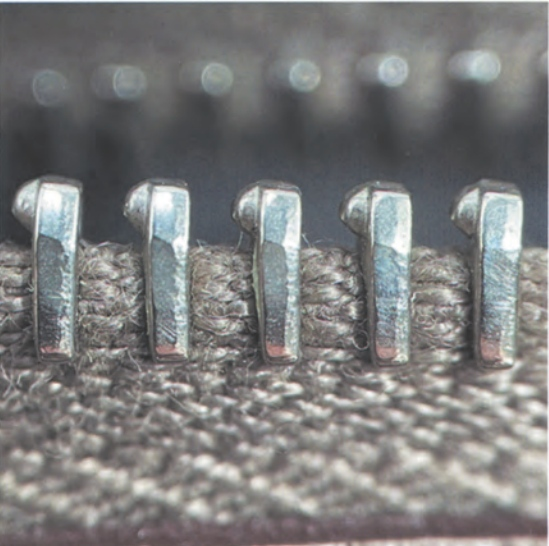 | 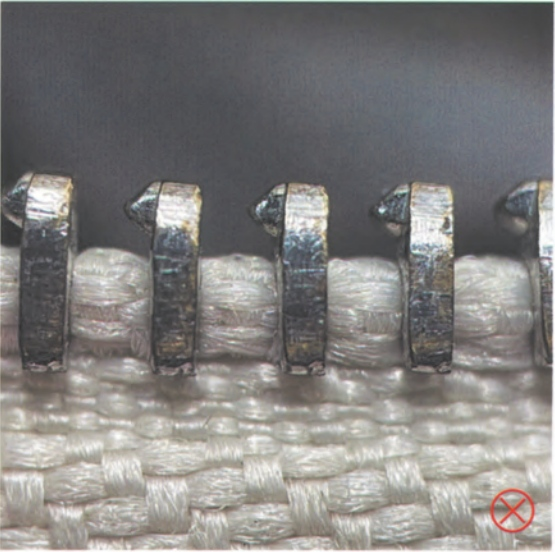 |
| Authentic riri zipper teeth are individually chamfered and polished, presenting a smooth matte metallic finish with zero plating flaking or harsh burrs. | Counterfeit zipper teeth display unpolished, sharp stamping margins without individual edge chamfering, creating a raspy glide that fails luxury tolerances. |
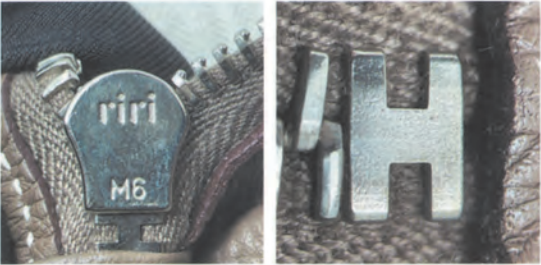 | 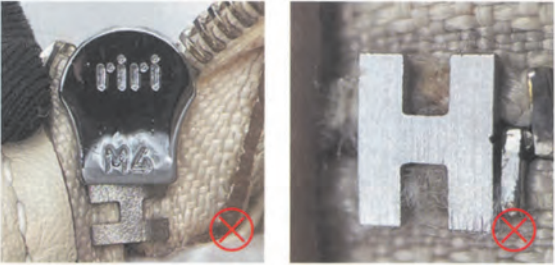 |
| The reverse of the authentic riri pull features crisp debossing with a smoothly polished circular well and distinct corners beneath the lettering. The socket exhibits delicate hand-finishing. | The counterfeit pull features shallow, muddy lettering with liquid-ripple casting textures and unchamfered perimeter edges. |
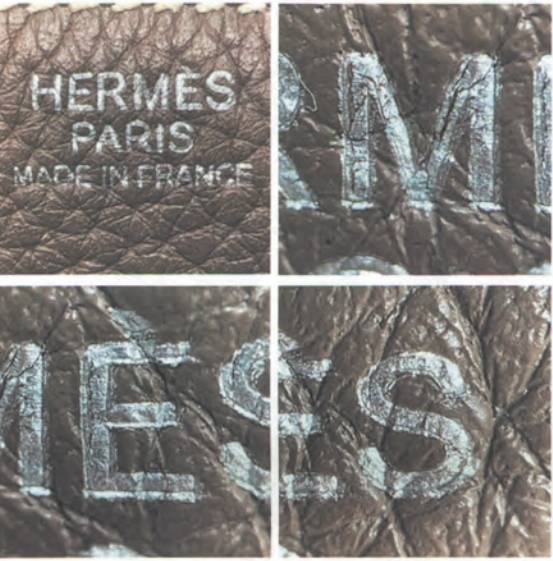 | 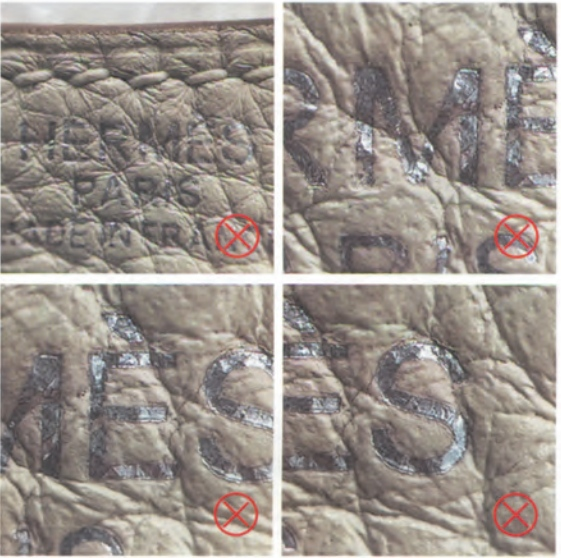 |
| The authentic foil debossing features clean, uniform indentations with crisp letter margins and controlled foil transfer that seats cleanly into the leather grain. | The counterfeit stamping is overly thin, shallow, and exhibits faint foil adhesion with blurred strokes across the baseline. |
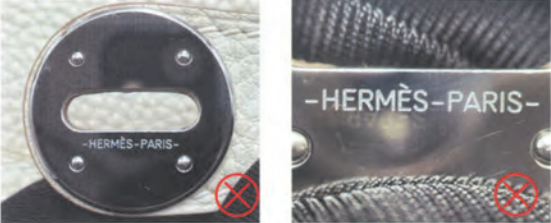
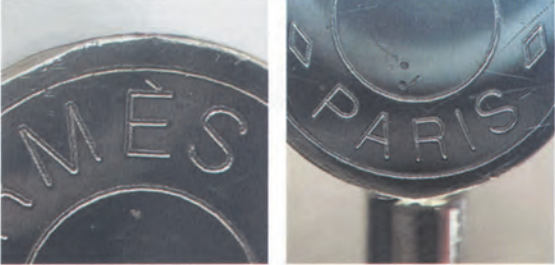 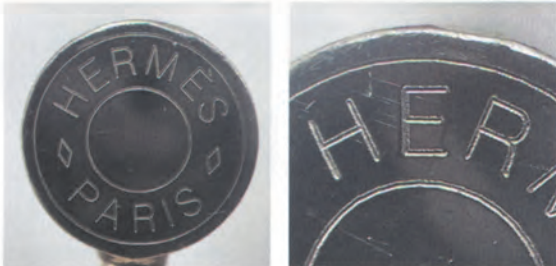 | 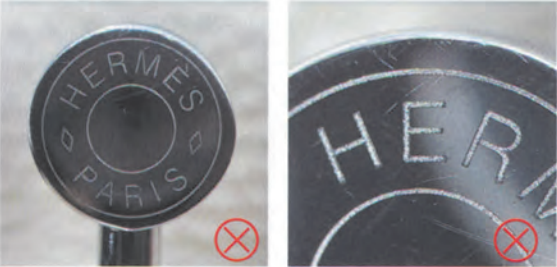 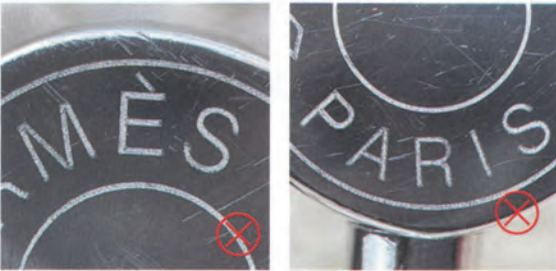 |
| Authentic hardware lettering is debossed with planar trench bottoms, crisp stroke margins, and hand-chamfered bevels. | Counterfeit hardware relies on automated laser etching, characterized by burned whitish trench residue, jagged margins, and lack of secondary hand-polishing. |
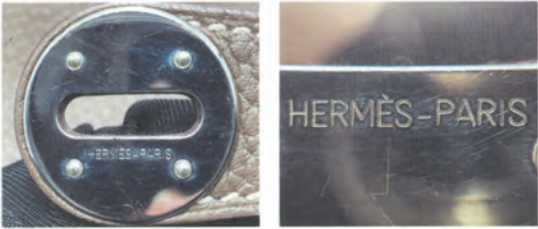 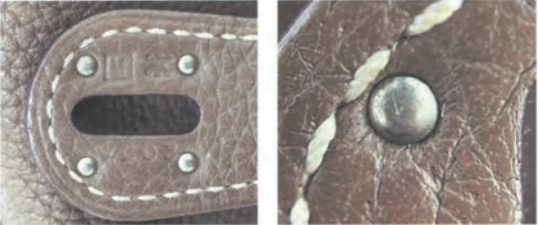 |  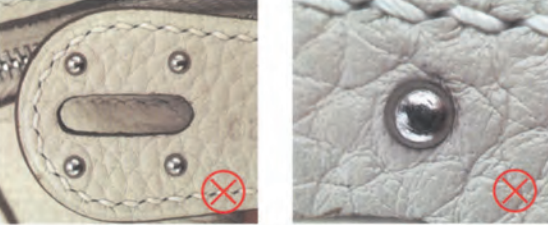 |
| Authentic hand-hammered pearling (perlage): The rivets securing hardware plates are individually rounded by hand with a concave setting punch, creating smooth hemispherical domes that compress the leather tightly without slicing the surrounding saddle-stitch line. | Counterfeit flat or machine-pressed rivets: The pins are either flat-topped, loosely fitted, or pressed with excessive machine force that distorts and cuts into the neighboring leather grain and stitching. |
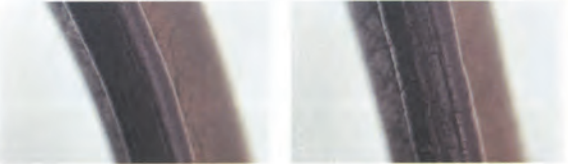 | 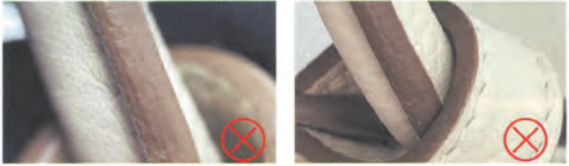 |
| Authentic edge finish is applied in multiple thin, hand-sanded layers, remaining supple and revealing the underlying skived leather profile. | The counterfeit edge paint is heavily applied and rubbery, masking the edge bevel and prone to premature cracking. |
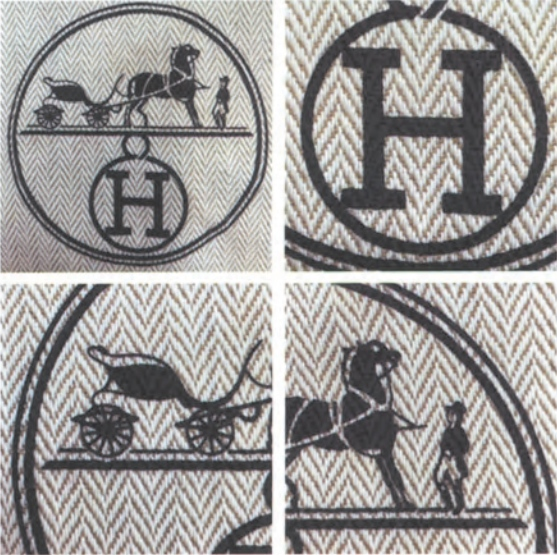 | 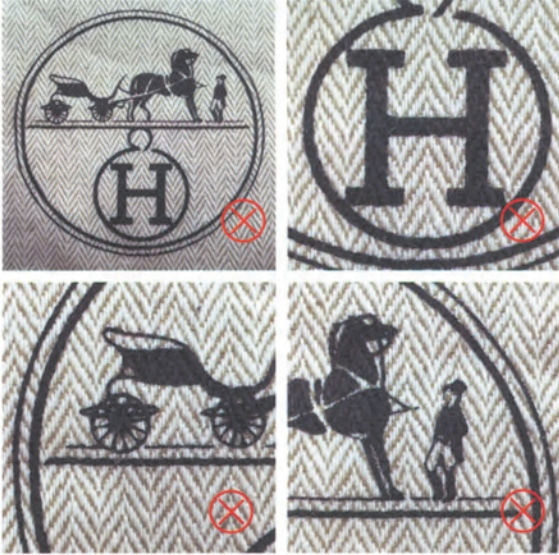 |
| Authentic dust bags feature crisp, saturated ink printing of the Duc carriage emblem (spokes and figure sharp) on heavy herringbone cotton canvas. (Note: Auxiliary item, subject to secondary swapping). | Counterfeit dust bags exhibit blurred carriage spokes, muddy ink bleeding, and synthetic poly-blend canvas with irregular drawstrings. |
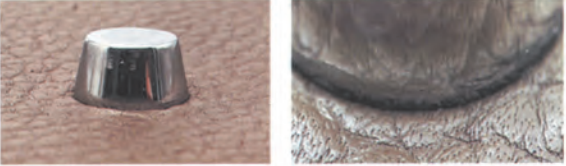 | 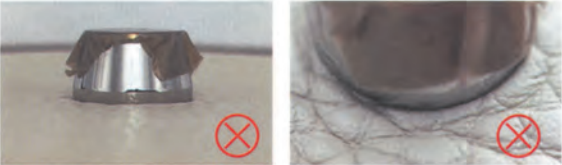 |
| Authentic bottom studs (clous de fond) are anchored into the base leather such that each stud base sits inside a clean, subtle concave depression (sunk into the leather), created by the artisan’s dedicated setting cup to securely compress the leather plies without pulling the surrounding stitching. | The counterfeit bottom studs sit flat against the leather surface or exhibit irregular, uneven depressions; the surrounding leather lacks the clean compression collar, and the hole edges often show signs of mechanical tearing or loose seating. |
What to Look For: Notice how genuine hardware always shows thoughtful hand-finishing—the zipper teeth glide smoothly because each edge is individually smoothed, and the rivets are gently domed by hand so they compress into the leather without cutting the surrounding stitches. While high-grade replicas often source real brass and matching zipper brands, close inspection usually reveals where machine stamping and automated laser etching skipped the patient hand-polishing of an authentic atelier.
Lock, Stitching & Edge Painting
1. Lock and Key Details
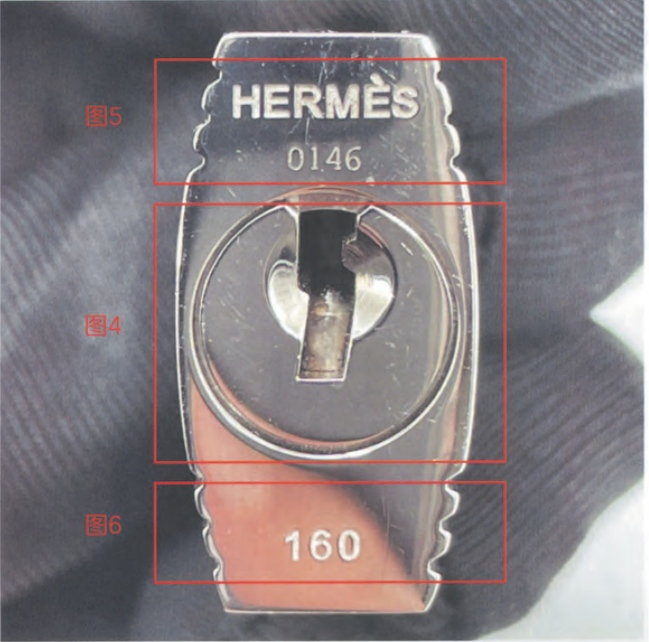
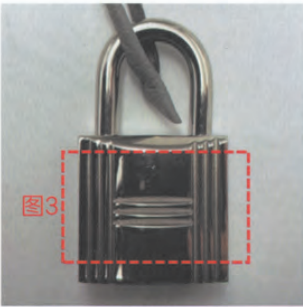
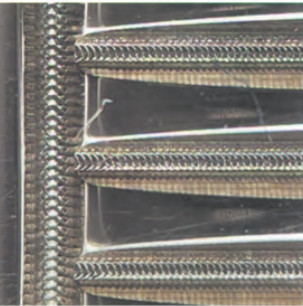
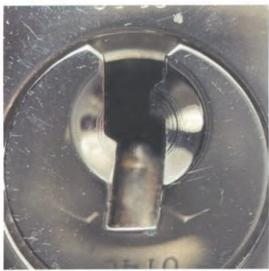
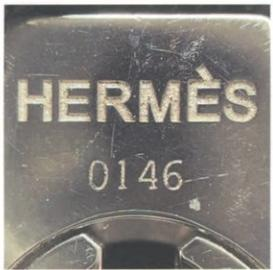
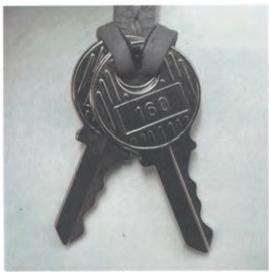
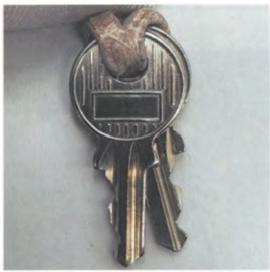
Even Hermès locks are miniature works of art. The padlock and keys are engraved with matching numbers and finely polished edges.
 |  | ||
 | |||
 |  |  | |
 |  | 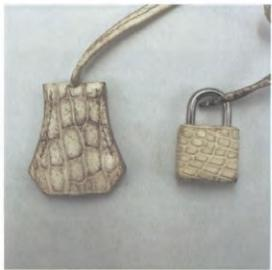 | |
| Older models feature the “break-type” lock design, where four vertical ridges surround the key slot. | Newer models use the “dot-type” style, with four small raised dots around the slot for smoother key rotation. | Items made of special leather will have their locks wrapped with leather (usually for protection and decoration). | |
Authentic locks show light brushing and tool marks, evidence of manual grinding. Many fake Hermès bags try to imitate this but end up looking too clean or symmetrical. Interestingly, AAA replicas are now beginning to reproduce even these imperfect polish lines—an ironic sign of their authenticity to craftsmanship.
2. Stitching Techniques
Hermès leathergoods are celebrated for the traditional two-needle saddle stitch (cousu main), executed using beeswax-coated linen thread (fil au chinois). In genuine bench-craft, two needles pass simultaneously in opposite directions through each awl-pierced hole, casting the thread over itself to create an interlocking lock-stitch. On the front face, the stitches slant at a characteristic diagonal pitch (roughly 45 degrees); on the reverse face, depending on the artisan’s hand and tensioning, the slant is typically shallower or runs nearly parallel to the edge crease.
Because authentic saddle-stitching is pulled taut by human hand, the stitches rise subtly above the leather surface and show micro-variations in tension. Key stress points—such as the base of Birkin handles, the corners of Kelly sangles, and the pontets—feature deliberate back-stitching reinforcement. In contrast, standard commercial machine stitching creates flat, rigid, collinear rows with uniform thread compression on both faces.
However, collectors should avoid treating minor stitch irregularities as definitive proof of authenticity. Experienced custom ateliers also employ trained leatherworkers using authentic pricking irons and waxed linen thread to reproduce traditional saddle-stitching. Rather than searching for an isolated “imperfect stitch,” authenticators evaluate the overall consistency of stitch count per inch (SPI), the depth of the edge creasing line (filetage), and how seamlessly the thread integrates with the underlying leather skiving and edge finish.
3. Edge Painting and Finishing
Hermès uses multiple coats of edge dye, each sanded and repainted for a glassy finish. The edge paint is usually thin, allowing you to glimpse the natural leather layers beneath. Many counterfeits overpaint this edge to hide imperfections.
High-end AAA replicas, however, now follow authentic Hermès multi-layer edge finishing, showing subtle layering and natural cut traces. Again, it’s proof that replication today is not about deception—but about admiration of Hermès’ unparalleled craftsmanship.
Accessories & Packaging Details
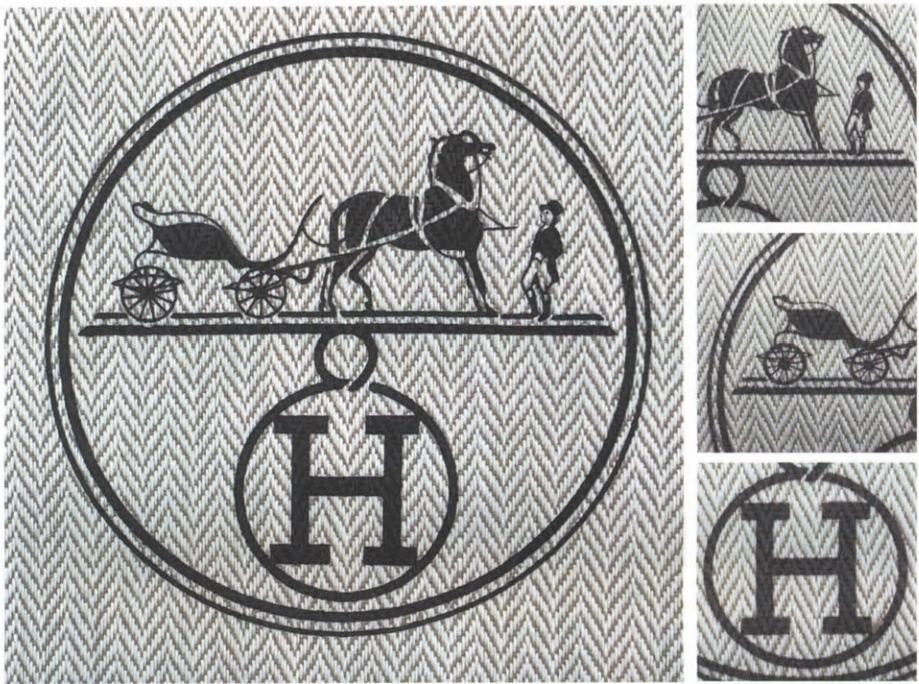
An authentic Hermès dust bag is crafted from dense, durable herringbone cotton canvas (or vintage velour/flannel in older references). The Calèche emblem is printed with crisp, saturated ink that avoids bleeding into the canvas weave, with balanced linework and clean concentric rings. However, packaging materials are easily swapped, purchased separately, or reproduced, so accessories should never serve as primary proof of handbag authenticity.
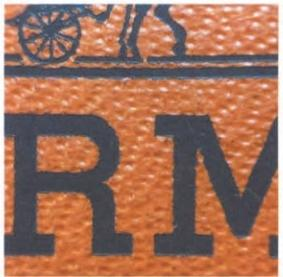
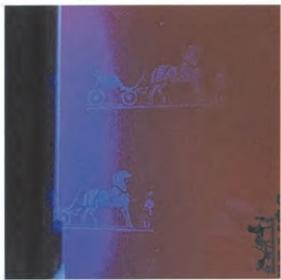
For packaging, Hermès orange boxes have become iconic, featuring a subtle matte grain texture rather than a slick gloss. Christie’s authentication specialists note that certain authentic contemporary boxes reveal an invisible fluorescent marking under ultraviolet light. Nonetheless, boxes and packaging are frequently circulated independently in the secondary market, meaning authentic packaging can easily accompany a counterfeit bag, or vice versa.
 |  | 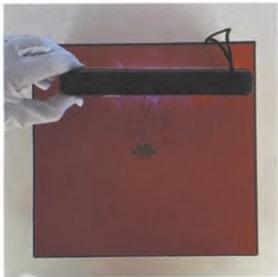 |
Top-tier AAA replica Hermès bags now come with mirrored dust bags and fluorescent orange boxes, even replicating the grain direction of the cardboard material. It’s another example of how the replica industry increasingly matches Hermès’ aesthetic precision.
When examining secondary packaging, remember that dust bags, raincoats, ribbons, and orange boxes are auxiliary items that are frequently mismatched, replaced, or purchased separately in the secondary market. Never treat authentic-looking packaging as proof that the bag itself is genuine; authentic evaluation must always begin and end with the physical architecture and leathercraft of the handbag.
Conclusion: Understanding Authenticity Beyond Labels
I value handwork when the seam, edge and hardware make sense together. Interpret small variations against the exact model and construction being compared. Follow the whole assembly and its finish before turning an isolated stitch or stamp into an identity judgment.
Understanding Hermès craftsmanship requires recognizing that true bench-craft is an interconnected system rather than a collection of isolated marks. The angle of a saddle stitch, the bevel of a zipper tooth, the compression of a pearled rivet, and the debossing depth of a hot stamp must all harmonize with the bag’s era, leather specification, and structural silhouette.
While modern custom workshops can replicate individual details—such as sourcing European calfskin or sewing by hand—looking at the bag as a complete, unified piece reveals the true difference. When the leather temper, stitching rhythm, hardware fit, and edge finishing all harmonize naturally, that is where authentic craftsmanship speaks for itself. In the world of fine leathergoods, developing an eye for that balance remains the collector’s most dependable guide.
To explore how individual iconic Hermès silhouettes embody these craftsmanship standards, refer to our dedicated Birkin Technical Guide, Kelly Architectural Construction Guide, Constance Hardware & Micro-Engineering Guide, and our Comprehensive Hermès Leather & Exotics Guide.
FAQs
How can you tell if a Hermès bag is authentic?
Authenticating a Hermès bag requires evaluating an entire chain of physical evidence rather than relying on a single checklist item. You must examine the exact reference dimensions and leather grain, verify that the date stamp and craftsman code match contemporary hardware alloys and font typography, inspect saddle-stitching tension across key stress points, and analyze macro-metallurgical finishing on the touret, sangles, and zipper teeth. Slight hand-tooling variance reflects manual bench-work, but it cannot prove authenticity on its own—all components must align with house standards.
Do AAA replica Hermès bags use real leather?
Many high-tier custom workshops source genuine calfskin from established European tanneries (such as Haas or Weinheimer) to match the grain, hand-feel, and scent of authentic Hermès bags. However, the presence of genuine leather does not establish authenticity. Genuine Hermès pieces are defined by rigorous hide selection—discarding any skins with subtle structural flaws—combined with proprietary tanning specifications, hand-skived layer graduation, and master saddle-stitching that replica workshops rarely replicate in full.
Is the hot stamping on replica Hermès bags accurate?
While high-tier replica makers use metal dies to simulate the manual heat-debossing process, subtle differences frequently appear under magnification. Counterfeit hot stamps often show irregular gold or silver foil bleeding, overly shallow or excessively deep letter troughs, and inconsistent spacing—especially on accents like the grave over the second ‘E’. On authentic bags, the foil adheres cleanly to the bottom of the debossed letter trench without tearing or excessive halo spill.

9 comments
This article is so helpful! I recently bought a Birkin replica and was amazed by how close it felt to my friend’s authentic one. Now I finally understand why — the stitching and hardware finishing are almost identical.
We love hearing this, Sophie! Quality craftsmanship should be appreciated in every form. Your observation about the stitching is spot-on — that’s one of the hardest details for any artisan to replicate perfectly. ✨
I’ve been researching Hermès bags for months and this is by far the clearest breakdown I’ve read! The hot stamping and hardware details you mentioned really helped me understand what to look for. I also didn’t realize AAA replicas could be that close in craftsmanship.
Thank you, Emily! We’re so glad this guide helped clarify the craftsmanship details for you. The evolution of AAA replica Hermès bags is indeed fascinating — our goal is to make that knowledge accessible and transparent for every collector. 💛
As someone new to luxury bags, I loved how this article explains authenticity without being judgmental toward replicas. It made me appreciate craftsmanship rather than just the brand name.
Thank you, Natalie — that’s exactly what we aim for! Whether it’s an authentic Hermès or a well-crafted AAA replica, both tell a story of artistry and design. We’re thrilled you found it inspiring. 💫
Fantastic read! The section on the year stamps and artisan codes was particularly interesting. I never realized even replicas are starting to reproduce those little imperfections.
I’m planning to buy an AAA replica Hermès Kelly soon. Would you say there’s any reliable way to check the leather type if the seller doesn’t specify it clearly?
I like the helpful information you provide in your articles.
I will bookmark your weblog and check again here frequently.
I am quite certain I will learn many new stuff right here!
Best of luck for the next!