Bags aren’t just containers for our daily essentials anymore—they’re style statements, organizational tools, and in many cases, reflections of our personality. In today’s fast-paced, image-driven world, knowing the different types of fashion bags is crucial not just for looking trendy, but also for being practical and health-conscious. Whether you’re heading to work with a sleek briefcase, carrying your camera gear on a travel vlog trip, or freshening up your makeup between classes, there’s a perfect bag for every purpose.
This guide explores how bags are classified by usage, function, occasion, and style, helping you match bag silhouettes to actual daily routines. Drawing from both traditional knowledge and modern fashion insights, you’ll discover what kind of bags are best for different lifestyles—and how to choose one that won’t just look good, but feel good too. Ready to dive in? Your handbag knowledge is about to level up.
Table of Contents
Classification by Usage – From Work to Weekend
When it comes to choosing the right fashion bag, purpose is everything. Whether you’re commuting, creating content, touching up your look, or just carrying essentials, your bag needs to work for you. Let’s break it down by usage:
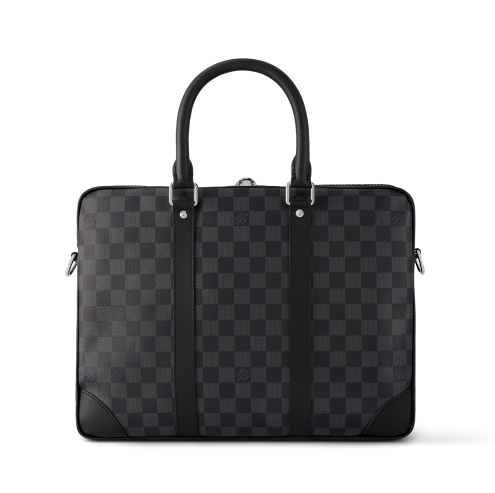
Briefcases (Work Bags)
A timeless choice for professionals, briefcases are structured, firm, and practical. They’re designed with multiple compartments—perfect for storing documents, pens, business cards, calculators, and even tablets. Most are made from genuine leather or embossed textures, giving them a formal, polished feel. Shapes vary from square to rectangular or slim-flat silhouettes, and colors are typically neutral or classic tones like deep brown or mustard. Carry options include handheld, shoulder-strap, or under-arm styles—each chosen depending on the wearer’s style and formality level.
Camera Bags
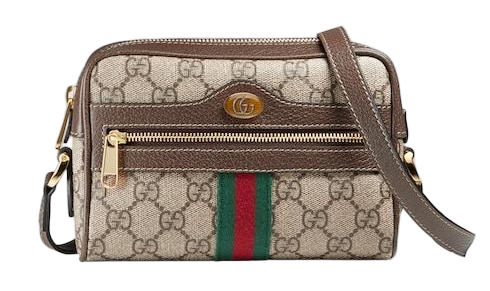
In fashion, the camera bag has evolved from specialized photography gear into an iconic, structured everyday silhouette. Originally inspired by vintage rectangular cases used by photojournalists, luxury houses translated the functional form into a compact, boxy zip-top crossbody with rounded corners, a flat base, and structured leather piping.
The beauty of the camera bag silhouette lies in its depth: unlike flat envelope bags, its boxy volume accommodates bulky everyday essentials—sunglasses cases, compact chargers, keys, and wallets—without bulging or losing its clean geometric profile. Secured with an all-around perimeter metal zipper, it provides accessible, secure storage suited for casual daily wear, sightseeing, and travel.
Makeup Bags
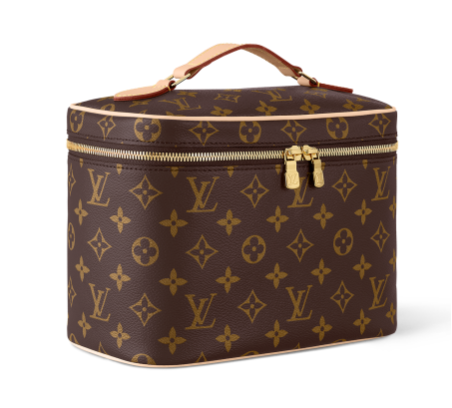
Makeup bags may be small, but they pack a punch when it comes to smart design. Ideal sizes are usually under 18×18 cm, compact enough to fit inside a daily handbag without bulking it up. Fabrics like cloth or plastic make them lightweight and easy to carry, while abrasion-resistant exteriors ensure long-term durability.
The best designs feature multi-layer compartments for separating lipsticks, brushes, powders, and liquids. For beauty lovers who carry flat palettes or upright bottles, choosing the right shape and inner height matters. Not only does this keep your products in place, but it also prevents messy spills on the go.
Wallets
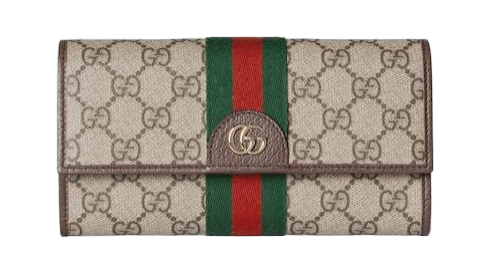
From designer leather classics to cartoon-inspired zip wallets, today’s wallet game is strong. Brands like Gucci, Levi’s, CHANEL, Lacoste, and Hugo Boss dominate the market with sleek, well-crafted designs for men and women alike. Whether you’re looking for compact minimalism or a statement luxury piece, there’s a wallet style out there to match your vibe—and your outfit.
In short, choosing the right bag based on your lifestyle is the first step to smarter, more stylish everyday living. Whether you’re heading to the office, gym, café, or club—there’s a purpose-built bag waiting for you.
Classification by Function – Practicality Meets Design
Let’s be honest—bags aren’t just about looks anymore. Today’s best bags combine form and function, offering built-in features that solve everyday problems. When choosing a fashion bag, functionality is key—especially for students, commuters, content creators, or anyone who values utility just as much as aesthetics.
Soft-sided and Expandable Bags
Within flexible carry, it is helpful to distinguish between soft-structured bags and genuinely expandable designs:
Soft-structured bags—such as unlined calfskin totes, relaxed hobo bags, and drawstring bucket bags—are constructed without rigid internal boards or stiff cardboard backings. They conform naturally to the wearer’s body, creating an effortless, slouchy drape while accommodating irregular everyday loads. Their flexibility makes them comfortable underarm companions, though they rely on interior pouches or organizers to keep small items from settling at the base.
Expandable bags, by contrast, incorporate mechanical volume adjustments. Typically engineered with wrap-around perimeter zippers, expandable side gussets, or fold-down canvas flaps (such as classic travel totes), they allow you to expand interior volume by 20% to 40% when picking up shopping or packing for a weekend getaway. Once emptied, they zip or fold back down into a compact profile.
Backpacks
Originally developed for outdoor expeditions and academic transport, backpacks have become an established staple of modern luxury and urban life. When selecting a backpack, the primary considerations are physical dimensions, strap ergonomics, and back-panel fit. A well-designed backpack should distribute load across both shoulders while contouring closely to the upper back without pulling you backward.
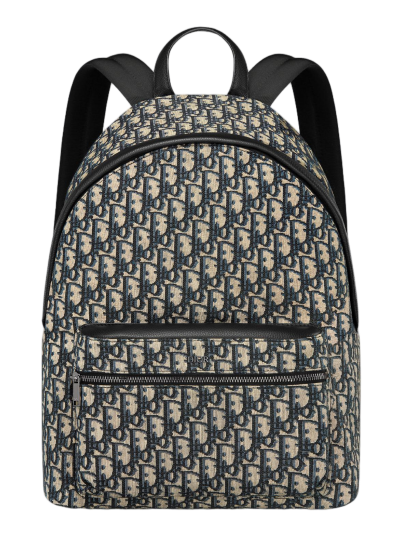
Look for adjustable straps with sufficient width (typically 3 to 5 cm) and subtle cushioning to prevent pressure points over the collarbones. Rather than relying on rigid rules about fixed wearing positions, adjust the strap drop so the bag rests securely against your mid-to-upper back, keeping the center of gravity close to your spine.
For daily commuting, a capacity of 12 to 18 liters accommodates a 13-to-15-inch laptop, a tech pouch, a water bottle, and daily documents comfortably. High-grade treated canvas or supple grained leather offers water resistance and structural resilience across varied environments—from transit commutes to airport terminals.
Classification by Occasion – Choose the Right Bag for the Right Moment
Fashion is situational. The bag that looks perfect in the office may feel awkward at brunch—or completely off at a dinner party. Understanding how to pick the right bag for the right occasion is a subtle skill that can elevate your style game instantly.
Laptop Commuting and Professional Work
For daily commuting with a laptop (13-inch to 15-inch), the priority is structural integrity and base support. A structured north-south or east-west leather tote, a zip-top briefcase, or a streamlined professional backpack provides dedicated protection. Look for reinforced strap attachments, a padded device compartment, and a firm bottom panel with metal feet so the bag stands upright beside your desk without collapsing.
Daily Shopping and Weekend Errands
When running errands, browsing markets, or meeting friends for coffee, hands-free ease is essential. Medium crossbodies, camera bags, and lightweight expandable canvas or nylon shoppers excel here. They provide rapid top access for phones and cards while keeping your arms free to carry groceries or shopping bags.
Short Trips and Weekend Getaways
For 24- to 48-hour travel, select a soft-sided duffel, weekender, or expandable travel tote with a wide top zipper opening. Key features to check include comfortable dual top handles, a detachable padded shoulder strap, and a luggage sleeve that slips over the handle of a rolling suitcase for seamless transit.
Formal Events and Evening Gatherings
For dinners, galas, and cocktail receptions, large utilitarian totes clash with eveningwear. Choose compact silhouettes: an architectural minaudière, a satin evening pouch, or a delicate chain-strap baguette in rich neutral leather, velvet, or discreet metallics. Keep contents curated to evening essentials—phone, lipstick, cards, and compact powder.
Straps and Carry: Choose a Comfortable Configuration
Choose the strap after deciding what goes inside. A compact crossbody is convenient for a phone and keys; a bottle, books and a computer call for a different arrangement. Compare the loaded bag against the clothing you actually wear, especially a winter coat, because an elegant empty-bag photograph says little about where a strap will sit.
Backpacks: Practical Weight Distribution for Heavier Loads
For books, a laptop, or longer walks, dual-strap backpacks distribute downward load across both shoulders and the upper back. Rather than assuming that wider straps are automatically better, comfort depends on a combination of factors: the bag’s tare weight, strap width (typically 3 to 5 cm for commuting), subtle edge padding, and proper adjustment so the pack sits snugly against the upper back rather than pulling away from the shoulders.
Crossbody Bags: Hands-Free Stability and Secure Positioning

Crossbody bags offer unmatched stability and security. It is important to recognize that a crossbody strap does not magically distribute weight evenly across both sides of the body—the full load still rests on a single shoulder and the clavicle. However, the diagonal strap path prevents the bag from slipping off the shoulder while walking, keeps the bag resting securely against the opposite hip, and leaves both hands completely free.
Single-Shoulder Bags: Convenient Access with Unilateral Weight
Single-shoulder bags and classic shoulder totes offer immediate on-the-go access under your arm. Because all weight is concentrated on one shoulder, carrying heavy contents for extended periods can cause localized shoulder and neck fatigue. Alternating which shoulder carries the bag and selecting bags with soft, rolled or flat-padded leather straps helps reduce focused pressure points.
Handheld and Forearm Carry: Structured Composure for Lighter Loads
Carrying a bag strictly by hand or draped over the forearm offers refined visual structure and formal elegance. However, continuous carrying in the crook of the elbow can tire forearm muscles and fingers during lengthy shopping trips or walking commutes. Top-handle designs that include a detachable shoulder strap provide the ideal balance: handheld poise when arriving at meetings or events, and shoulder relief during transit.
In the end, style meets strategy when you know how different bag structures affect your body. Your bag shouldn’t just look good—it should feel good too.
If you’re taking a laptop, umbrella or unusually tall bottle to try a new bag, the guide to official and authorized retailers explains how to arrange a try-on and check returns.
Smart Bag Choices for Real Routines
In a world where fashion meets functionality, your choice of bag is no longer just about looking good—it’s about feeling good, moving smart, and expressing who you are.
From structured briefcases for professional tech to compact camera bags, cosmetic pouches, and versatile backpacks, each silhouette serves distinct functional routines. Matching the bag’s internal capacity, strap ergonomics, and material resilience to your real-life activities ensures that your choice performs reliably day after day.
So the next time you’re shopping for a bag, don’t just ask “Does it match my shoes?” Ask:
“Is it right for what I do every day?”
“Will it make my life easier—or heavier?”
“Is it stylish and smart?”
Because the best bags in 2025 aren’t just fashion accessories—they’re daily companions that work as hard as you do.
Be stylish. Be strategic. Be smart with your bag choices.
What are the most versatile handbag silhouettes for everyday use?
For versatile everyday carry, four silhouettes consistently provide the best balance of function and styling: a structured medium tote or briefcase for workday tech and documents, a compact rectangular crossbody or camera bag for hands-free errands, an unlined slouchy shoulder bag for casual comfort, and a minimal clutch or baguette for formal evenings.
Which type of bag is best for comfort and ergonomic carry?
Dual-strap backpacks provide the most balanced weight distribution across both shoulders and the upper back for heavier loads (such as laptops and books). For lighter essentials, an adjustable crossbody with a wide or padded strap provides secure hands-free stability without slipping off the shoulder.
How do I choose the right bag for different occasions?
Match the bag’s capacity and structure to your activity: structured totes or briefcases with padded device sleeves for professional work; lightweight crossbodies, camera bags, or canvas shoppers for weekend errands; durable dual-strap bags or duffels for travel; and compact clutches, minaudieres, or delicate chain bags for formal dinners.