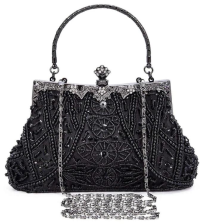
A bag changes the way an outfit moves. Put a rigid top handle beside a soft shoulder bag and you can almost see two different daily routines: one asks to be carried, the other leaves a hand free. That is what makes handbag history useful to me. The interesting changes are often in the handle, opening or carrying position, long before a logo enters the picture.
Two reference points make that difference tangible. Hermès traces the Kelly’s strapped ladies’ bag to Robert Dumas in the 1930s, while Chanel dates the 2.55 shoulder bag to February 1955. The trapezoid and top handle create a different relationship with the body from a bag suspended on a chain. When I choose between a formal vintage outline and an easy shoulder bag today, I am still choosing between those ways of carrying.
This guide takes you through a historical overview, highlighting how handbags have changed shape, size, and significance through each iconic decade—from jazz-era beaded clutches to today’s tech-savvy totes. Whether you’re a budding stylist, a luxury collector, or just obsessed with vintage trends, this journey will reshape the way you see your favorite accessory.
Table of Contents
Origins of Bags: From Utility to Ornamentation (18th–19th Century)
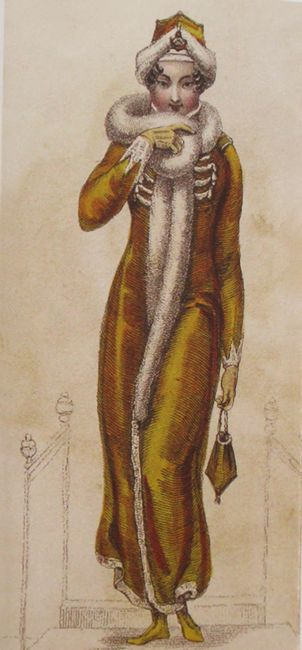
The story of modern personal carry took a decisive turn in the late 18th century, a time when women’s dress underwent major structural transformations. With the disappearance of voluminous pannier skirts and the rise of slender, high-waisted Neoclassical gowns, the traditional deep pockets tied around the waist beneath petticoats were no longer practical. Women adopted the reticule—a drawstring pouch crafted from netting, silk, or velvet that served as an essential early predecessor to the modern handbag, transitioning daily necessities from hidden undergarments into a visible, handheld accessory.
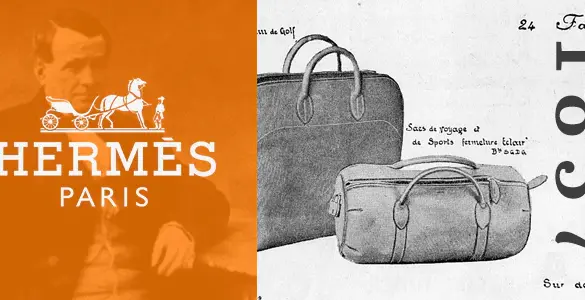
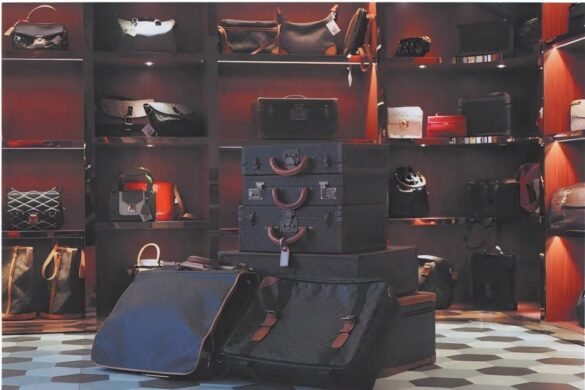
These early handbags were often hand-carried and minimalist, but they quickly evolved into status symbols. By the early 19th century, the rise of long-distance travel in Europe led to the birth of the travel bag. Large, durable, and elegant, these vintage travel bags were essential companions for the upper-class traveler.
During this period, handbags began to reflect not only function but also the cultural norms of femininity, modesty, and elegance. The design choices were influenced by fashion, etiquette, and even colonial influences. Though still a luxury, the handbag started to carve out its own place in the fashion hierarchy.
In many ways, this era laid the foundation for the evolution of handbags. While these bags were far from the monogrammed designer pieces we know today, they symbolized independence, mobility, and personal style—values that continue to define the handbag’s identity in modern fashion.
The Roaring Twenties: Jazz, Beads, and Feminine Flair
The 1920s marked a transformative shift in women’s accessory design, reflecting postwar social liberation, expanding suffrage, and the emergence of modern evening leisure. With the rise of ready-to-wear garments and vibrant urban nightlife, the physical requirements of a handbag changed fundamentally.
In this dynamic decade, compact evening bags became central to personal styling. Popular designs included intricately beaded dance purses, flexible metal mesh bags, and streamlined Art Deco vanity cases. These compact silhouettes were engineered specifically for dance halls and social venues, sized precisely to hold newly portable cosmetics—powder compacts, lipsticks, and cigarette cases.
The transformation was functional as well as aesthetic. The heavy, corded day reticules of previous decades gave way to slender chain-link handles and rigid geometric metal frames that could hang securely from a wrist while dancing, demonstrating how newfound leisure and physical mobility directly shaped accessory architecture.
These designs represent one of the earliest moments where accessories functioned as overt markers of youth culture and personal agency. For collectors today, Art Deco metalwork and micro-beaded evening purses remain classic reference points for balanced proportions, jeweled clasps, and tactile elegance.
Hollywood Glamour and Wartime Practicality (1930s–1940s)
As the world shifted from the exuberance of the 1920s to the economic hardships of the Great Depression and eventually World War II, fashion reflected this sober reality. Handbags, too, took on a dual personality: blending glamour with grit.
In the 1930s, retro bags gained structure. Influenced by the golden age of Hollywood, designers focused on sculpted silhouettes, durable frames, and classic materials. Actresses like Greta Garbo and Joan Crawford made handbag styling an art form, flaunting sleek clutch bags that radiated elegance without excess. These designs favored simplicity and craftsmanship over extravagance.
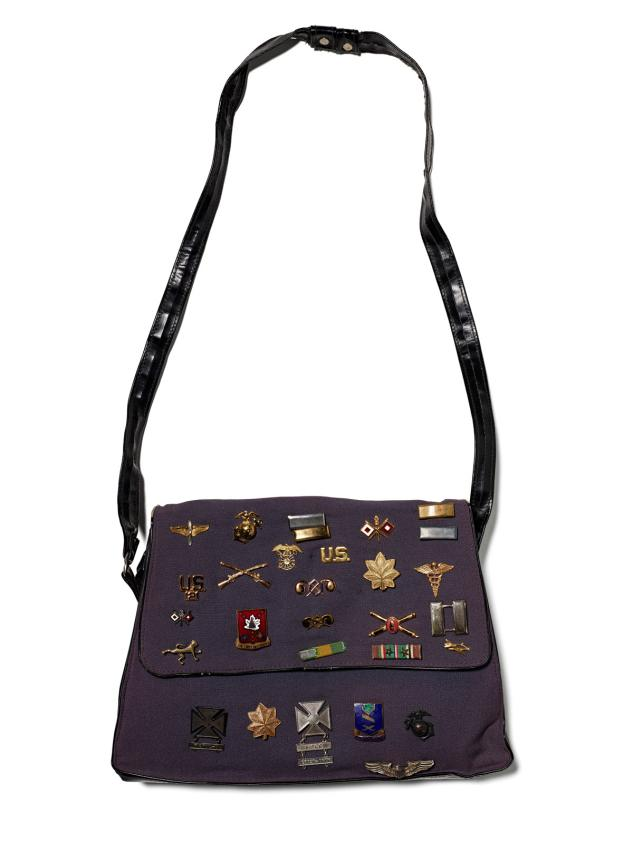
During the 1940s, wartime economies fundamentally reshaped civilian leather goods. With metal, fine calfskin, and rubber strictly requisitioned for war production, civilian handbag makers adapted by utilizing durable cotton canvas, heavy wool felt, reclaimed wood for frames, and early plastics. Handbags became utilitarian everyday companions designed to carry ration books, identity cards, and workplace essentials.
Crucially, wartime utility bags carried by civilian women were distinct from official government-issued military equipment, such as canvas gas-mask carriers or service pouches. However, the ergonomic necessity of wartime life directly influenced civilian fashion: wide, sturdy shoulder straps gained widespread popularity among women working in transport, civil defense, and industrial facilities, permanently establishing the hands-free shoulder bag as an indispensable everyday silhouette.
Civilian bag designs adapted with clean, boxy geometry and subdued, unembellished palettes. Rather than military issue, these 1940s utility shoulder bags reflected resourcefulness under strict material limitations, proving that purposeful structural design often flourishes under physical constraints.
Postwar Elegance: Structure, Straps, and Changing Routines (1950s)
With World War II finally over, the 1950s welcomed a wave of optimism, consumerism, and a renewed focus on femininity. The scars of war began to heal, and people sought comfort in beauty, romance, and indulgence. Women’s fashion evolved rapidly—and handbags followed suit.
The 1950s handbags were a direct response to the changing times. After years of rough canvas and rationed materials, fashion once again embraced elegance. Bags became smaller, more structured, and often adorned with gold hardware, embroidery, or delicate clasps. The designs reflected the hourglass silhouettes of the era, pairing perfectly with fitted dresses and heels.
Postwar luxury design bifurcated around two contrasting visions of femininity, poise, and daily utility, epitomized by the Hermès Kelly and the Chanel 2.55:
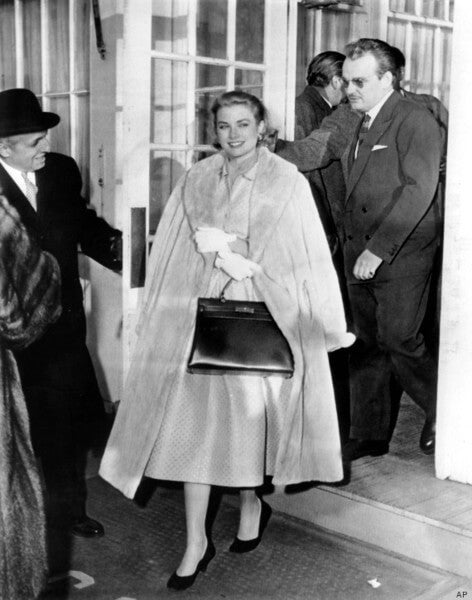
The Hermès Kelly (originally designed as the Sac à dépêches in the 1930s by Robert Dumas and immortalized by Princess Grace Kelly in 1956) represented architectural, formal poise. Built on a rigid trapezoidal leather chassis with an upright single top handle, a structured flap, and sangles secured by a turnlock clasp, it was engineered to be carried strictly in the hand or draped over the forearm. It demanded an intentional, upright posture and measured composure, reflecting formal postwar social decorum.
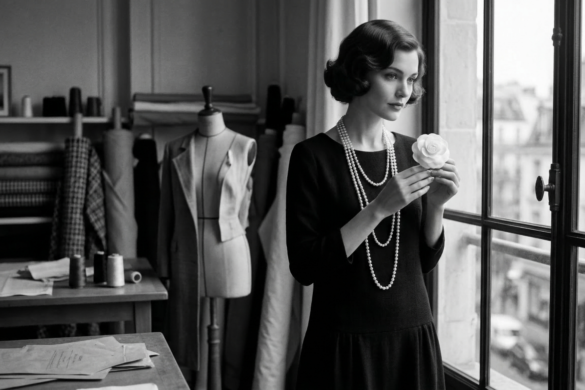
By contrast, Gabrielle Chanel’s Chanel 2.55, launched in February 1955, prioritized physical freedom and modern movement. Growing tired of carrying clutches under her arm, Chanel engineered a supple, quilted rectangular body and introduced a sliding gilt chain-link shoulder strap that freed women’s hands entirely. While the Kelly required deliberate handheld carriage suited for formal appearances, the 2.55 accommodated active women walking through city streets, driving automobiles, and managing their own daily routines.
These two iconic models established the foundational design dialogue of modern luxury carry: the structured top-handle bag as an emblem of polished composure, and the hands-free shoulder bag as the definitive instrument of dynamic, active independence.
Cultural Movements and Youth Expression (1960s–1970s)
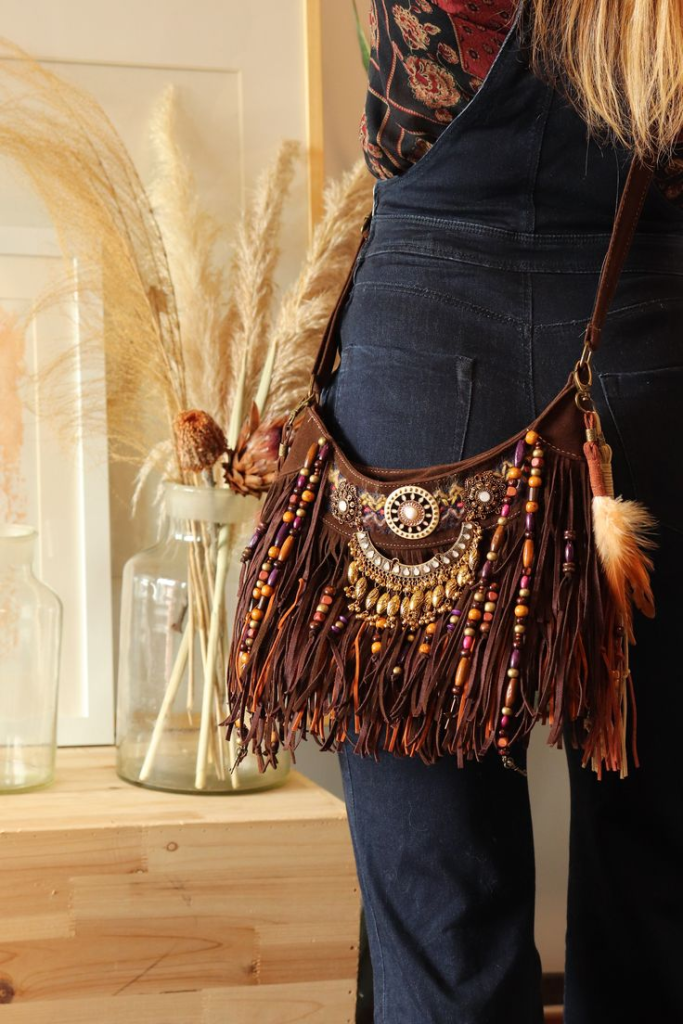
As rock music, feminism, and counterculture movements exploded across the globe, fashion was radically redefined. The 1960s and 1970s became a golden age of youth rebellion, creative experimentation, and personal expression—and handbags were no exception.
Gone were the overly structured styles of the ‘50s. In their place came soft, slouchy bags with fringe, embroidery, or psychedelic prints. Vintage shoulder bags became the go-to for bohemian girls, art students, and activists alike. Their easy, practical design suited both fashion and freedom.
The rise of youth fashion bags reflected a deeper cultural shift. Women were now studying, protesting, traveling, and working more than ever. They needed bags that matched their lifestyles—roomy enough for books, expressive enough for their individuality. Brands responded by releasing a wave of designs like messenger bags, fisherman pouches, and woven ethnic styles.
The influence of rock style bags also surged, fueled by icons like Janis Joplin and Patti Smith. These bags often featured leather, studs, fringe, and bold patterns—channeling the energy of the era’s music and spirit. They weren’t polished or luxurious, but raw and real—just like the movements they represented.
Meanwhile, the late ‘70s saw a brief return to romanticism and countryside aesthetics. Narrow-strap shoulder bags, floral canvas totes, and natural materials like hemp and straw became popular. These rural-inspired bags reflected people’s yearning to escape urban chaos and reconnect with nature.
Today, Gen Z consumers still borrow heavily from these decades—celebrating thrifted satchels, embroidered crossbodies, and hippie-chic bags as part of their identity. The youth fashion bags of the ‘60s and ‘70s prove that fashion can be bold, messy, and meaningful all at once.
Avant-Garde and Fast Fashion Take Over (1980s–1990s)
The 1980s and 1990s ushered in an era of experimentation, consumerism, and ever-accelerating trend cycles. The influence of mass production and celebrity culture gave rise to a new kind of fashion logic: be bold, be different, and be fast. In this rapidly evolving landscape, handbags became the playground of avant-garde designers and fast-fashion giants alike.
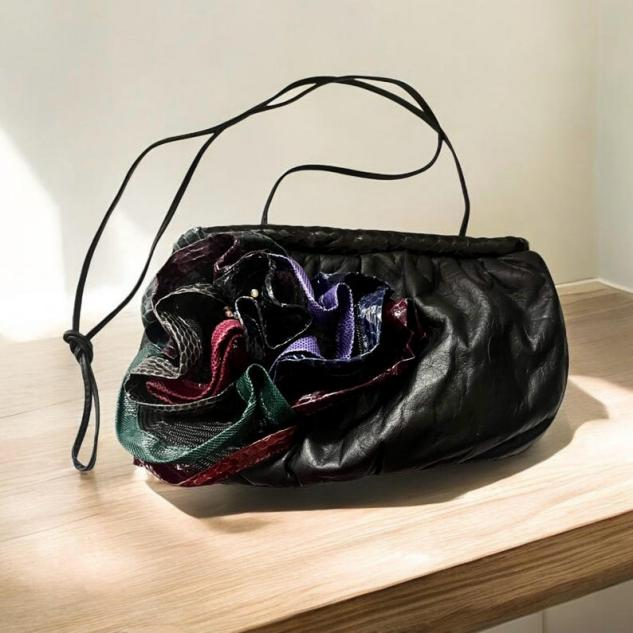
In the ‘80s, shoulder pads, metallics, and oversized everything dominated the runways—and avant-garde handbags followed suit. Designers like Vivienne Westwood and Jean-Paul Gaultier introduced provocative silhouettes, playing with materials like rubber, chains, and plastic. Bags were no longer just accessories—they were statements.
Simultaneously, logo mania exploded. Luxury brands like Louis Vuitton, Chanel, and Gucci began prominently featuring logos on their bags, making designer bags the ultimate symbol of success and exclusivity. Carrying a monogrammed purse wasn’t just about utility—it was a form of social proof.
As the ‘90s arrived, designer bags 1990s took a sleeker, more minimalist turn. The era’s fashion reflected a certain “cool girl” nonchalance—seen in tiny shoulder bags, baguette styles, and the rise of it-girls like Kate Moss and Naomi Campbell.
At the same time, fast fashion handbags emerged to mimic luxury designs at a fraction of the price. Consumers—especially young people—were now cycling through styles faster than ever, and accessibility mattered as much as exclusivity.
This period redefined what it meant to “own” fashion. The line between trend and art blurred, and handbags became the ultimate canvas for creativity, capitalism, and cool.
Into the 21st Century: Archival Revivals, It-Bags, and Contemporary Luxury (2000s–Present)
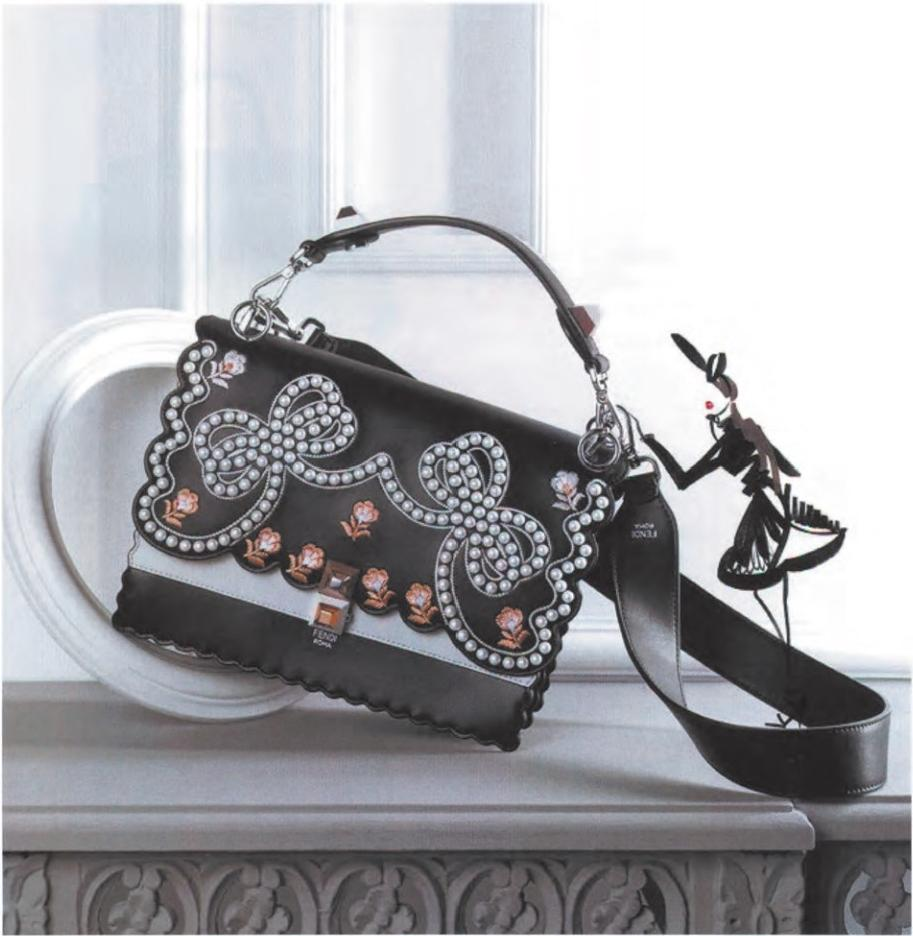
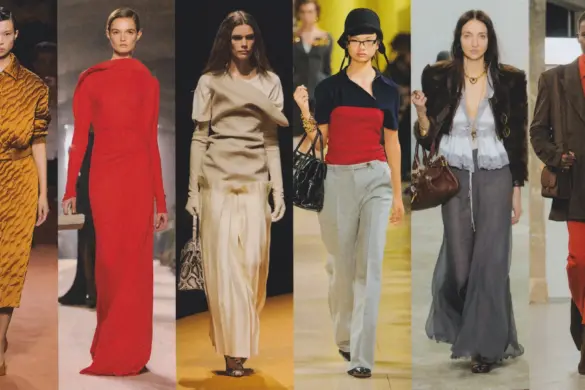
As the 21st century dawned, handbag design entered a cyclical era of archival revivals and hyper-visible cultural status. From early-2000s maximalism and baguette silhouettes to retrospective runway reissues, luxury fashion houses turned toward their own heritage archives with renewed energy.
In the early 2000s, 2000s handbags were all about sparkle, novelty, and attitude. Think sequined evening clutches, rhinestone-embellished mini bags, and playful shapes inspired by hearts, lips, or even teddy bears. This kitschy-cute aesthetic defined red carpets and high school hallways alike.
At the same time, the luxury market exploded. Brands like Prada, Balenciaga, and Fendi launched iconic bags that are still sought-after today—such as the Fendi Baguette, Prada Nylon, and Balenciaga City. The luxury bag evolution was driven by celebrity endorsements, fashion blogs, and the rise of fashion as entertainment.
What’s unique about 2000–2025 is the coexistence of nostalgia and innovation. Gen Z and Millennials have embraced second-hand luxury and retro finds via Depop, Vestiaire Collective, and thrift culture, while brands are increasingly offering customization and tech-integrated features like NFC authentication.
The handbag of today doesn’t just carry things—it carries meaning. It’s a bridge between past and present, function and fashion, heritage and trend. Whether it’s a thrifted Y2K gem or a freshly minted designer piece, today’s bag tells a generational story of taste, values, and identity.
Conclusion: Why Knowing Bag History Makes You a Smarter Fashion Lover
From handcrafted pouches of the 18th century to luxury icons of the 21st, handbags have evolved alongside women’s social and physical autonomy. Each era’s dominant silhouette reflects deeper historical realities—freedom of movement, workplace integration, craftsmanship standards, and personal identity. Understanding this structural history allows us to evaluate both vintage heirlooms and contemporary designs with informed discernment.
For modern fashionistas, especially young trend-savvy consumers, knowing the evolution of handbags offers more than knowledge—it cultivates taste, prevents overconsumption, and deepens appreciation for design. Whether you’re investing in your first luxury piece or styling a vintage thrift find, being one of the fashion enthusiasts gives you an edge in both fashion and storytelling.
Because in fashion, history always repeats itself—but style is how you make it personal.
What are the most iconic handbags in fashion history?
Some of the most iconic handbags include the Hermès Birkin, Chanel 2.55, Dior Saddle Bag, and the Louis Vuitton Speedy. These timeless designs continue to inspire new collections today.
How have handbags changed over time?
From simple utility pouches to designer masterpieces, handbags have evolved in shape, material, and purpose—reflecting shifts in culture, gender roles, and consumer habits.
Why does understanding handbag history matter when choosing a bag today?
Knowing the origin of iconic designs—such as the Kelly’s saddle-making roots, the 2.55’s hands-free shoulder chain, or the 1990s functional nylon revival—helps you evaluate why a silhouette was engineered the way it was. Instead of falling for fleeting micro-trends, you can judge whether a bag’s proportions, closure mechanics, and materials will actually suit your daily routine.