
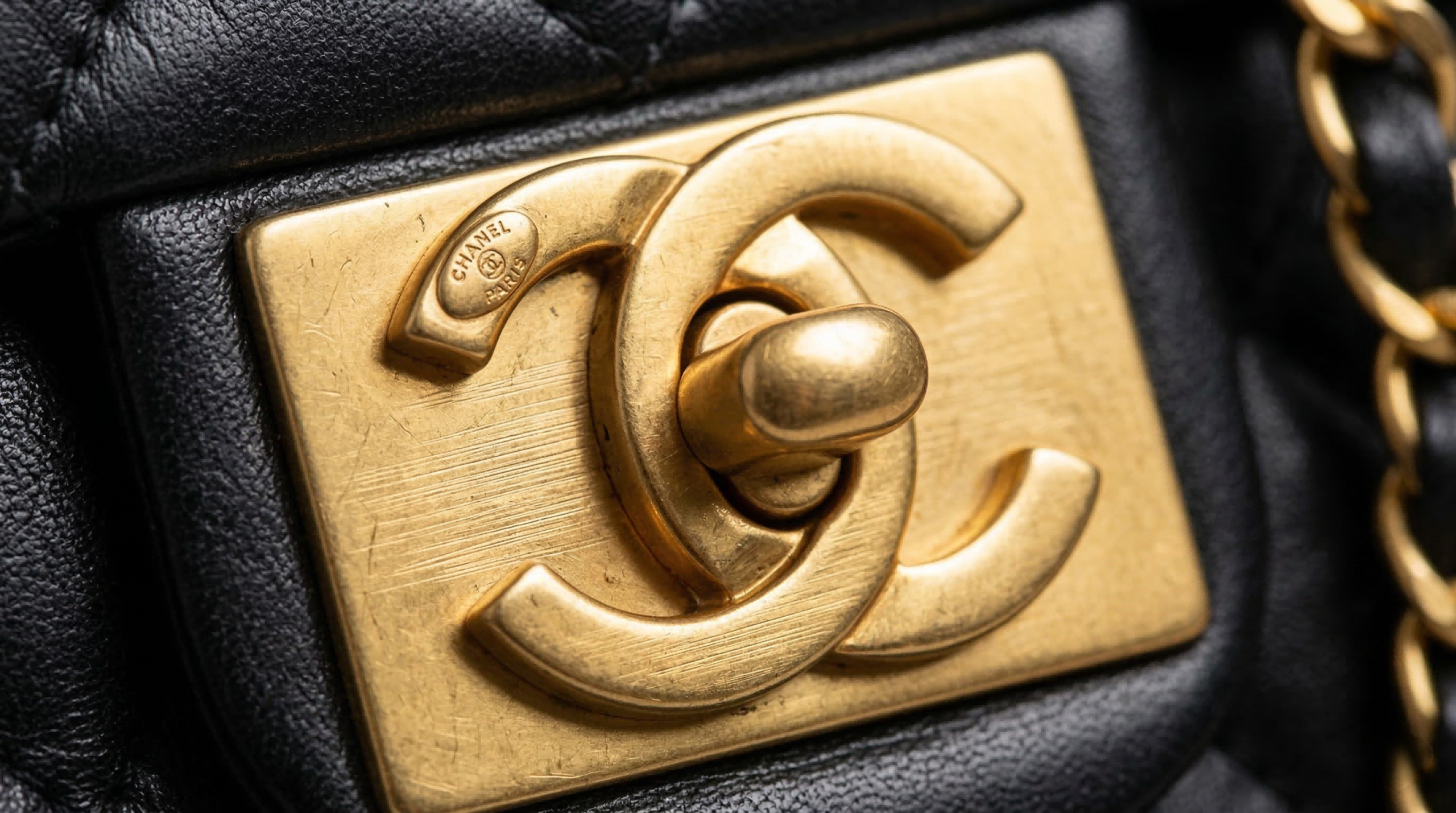
Authenticating a Chanel handbag requires understanding that the house’s craftsmanship standards, hardware suppliers, and serial systems have evolved substantially across four decades, beginning with Gabrielle Chanel’s Paris origins. Rather than looking for a single universal “tell,” a reliable inspection begins by anchoring the specific bag to its production era and model family. The objective is to verify whether physical attributes—leather grain, font geometry, hardware density, and serial markings—align coherently with authentic factory specifications of that exact period.
Because Chanel bags have fewer obvious authentication points compared to some other brands, a professional authentication must comprehensively analyze laser tags, authenticity cards, logo craftsmanship, hardware, and accessory details. Whether you are investing in a vintage treasure or a modern classic, the market demand makes these bags highly valuable, requiring careful attention to detail during the authentication process.
If you are checking a Chanel bag, start by identifying its approximate era before applying any serial, card or hardware rule. This guide keeps the original close-up examples because those images are useful; the update is that no single screw, UV reaction or letter shape is treated as conclusive on its own.
Table of Contents
Step 1: Interior Foil Stamping, Font Geometry, and Leather Depth
One of the first things to look at when you Chanel authenticate a bag is the internal logo and foil stamping. Massive market demand means counterfeiters try to replicate these details, but they often fail at the micro-level.
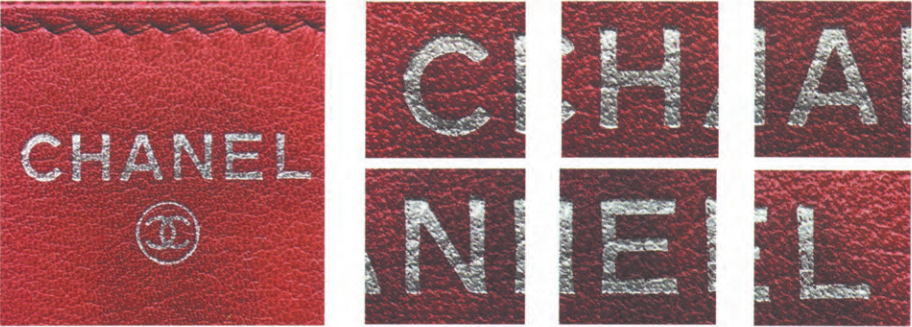
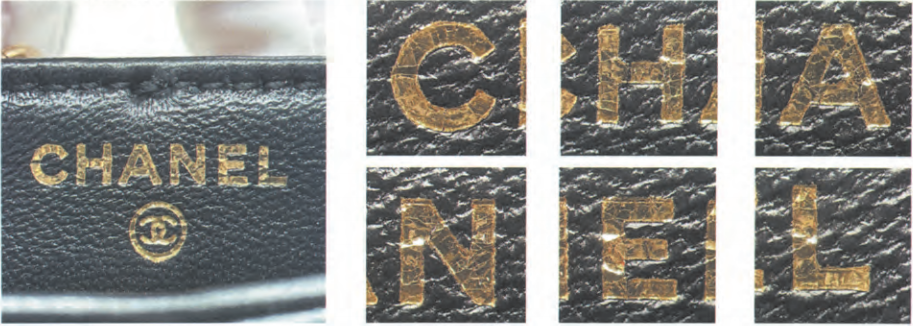
The Typography Secrets of the CHANEL Logo
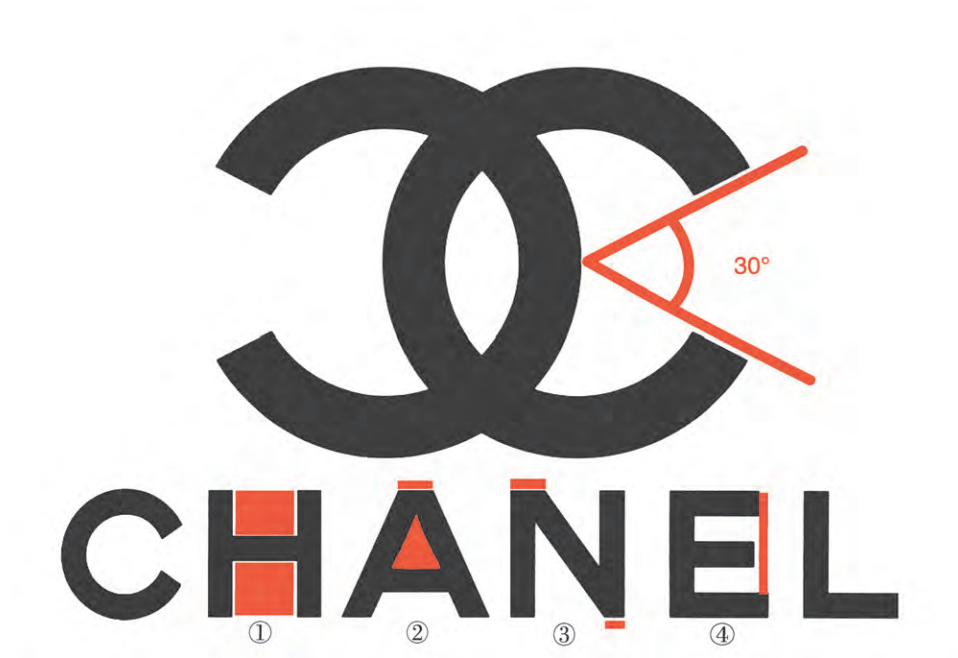
When examining the brand identifier, pay close attention to the specific geometry of each letter:
- The Letter C: Compare its shape and opening with a clear reference from the same period. The approximate 30-degree description here is not a universal measured tolerance.
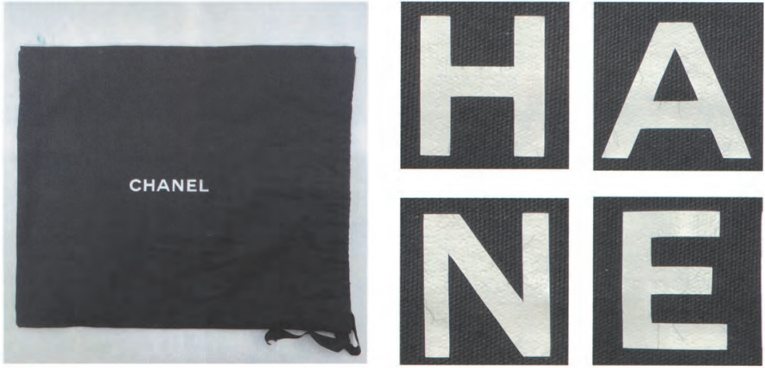
- The Letter H: The horizontal crossbar is not perfectly centered; the top section is shorter, and the bottom section is longer.(Refer to Mark ①)
- The Letter A: The overall shape is square with a flat top, and you should pay attention to the inner triangle shape.(Refer to Mark ②)
- The Letter N: The top and bottom tips of the N must be flat. Furthermore, the top flat section is longer, and the bottom is shorter; a pointed tip does not conform to authentic craftsmanship.(Refer to Mark ③)
- The Letter E: Look at the three horizontal bars; the top is short, the bottom is long, and the middle bar is the shortest.(Refer to Mark ④)
Foil Stamping Quality and Leather Depth
- On standard production Classic Flaps and modern lines, foil stamping color corresponds strictly with hardware plating: gold hardware pairs with gold foil, and silver hardware with silver foil (with deliberate exceptions limited to rare vintage bicolor pieces).
- Authentic stamping is heat-pressed directly into the hide with calibrated pressure. On pebbled Caviar leather, the foil presses into the grain valleys, leaving visible grain contours within the letters; on smooth Lambskin, the impression is crisp, shallower, and razor-sharp.
- Letter bottoms display clean, uniform indentation depths. An unclear or spotty impression should be examined alongside the bag’s leather wear and era; counterfeit stamping often features heavy surface ink that floats over the hide or overheated presses that blur the leather grain into an oily halo.
- Around letter edges, authentic foil exhibits clean, deburred boundaries without excess metallic glitter bleeding across surrounding leather pores.
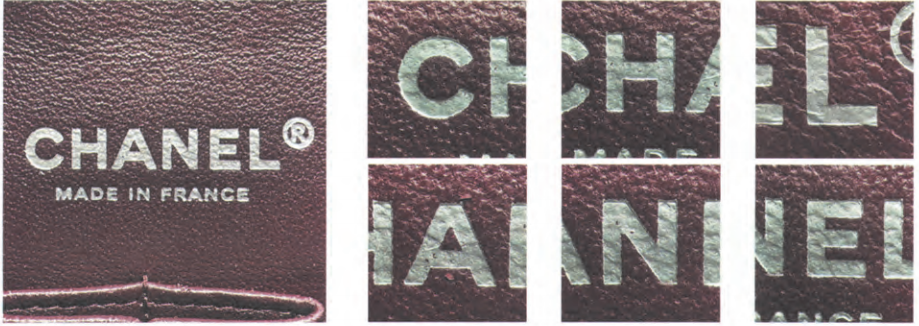
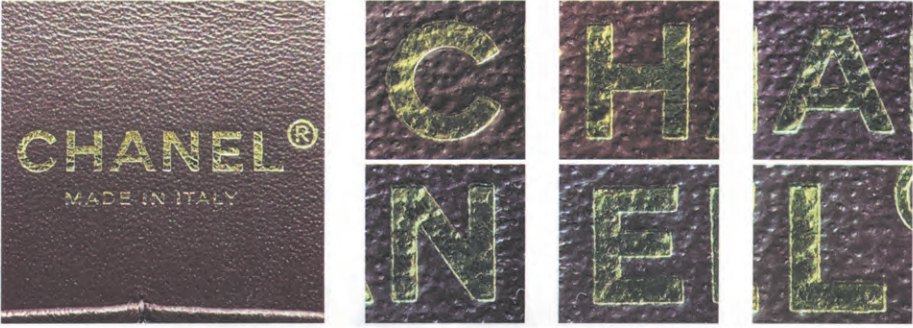
- To learn more about how Chanel’s materials and hardware have evolved over the decades, explore Sotheby’s Complete Guide to Collecting Vintage Chanel Bags.
Step 2: Hologram Stickers (Series 0 to 31) vs Integrated Metal Microchips
From 1986 through early 2021, Chanel authenticated its bags using interior hologram serial stickers paired with matching black authenticity cards. In May 2021, the house officially retired this physical card-and-sticker system across all boutique lines, transitioning entirely to integrated microchips embedded beneath a small rectangular metal plaque. When inspecting a bag today, establishing the correct era is mandatory: you cannot apply microchip criteria to a 2015 Classic Flap, nor can you expect an authenticity card with a 2022 release.
Laser Tag Number Characteristics
- The edges of the numbers on the laser tag have a jagged, mosaic-like effect.
- Authentic number ink is dark, thick, and even, whereas counterfeit tags often show distinct sandblasting marks.
- The number ‘0’ features a diagonal strikethrough.
- The number ‘2’ is designed with a “big belly”.
- The number ‘7’ features a distinct tail.
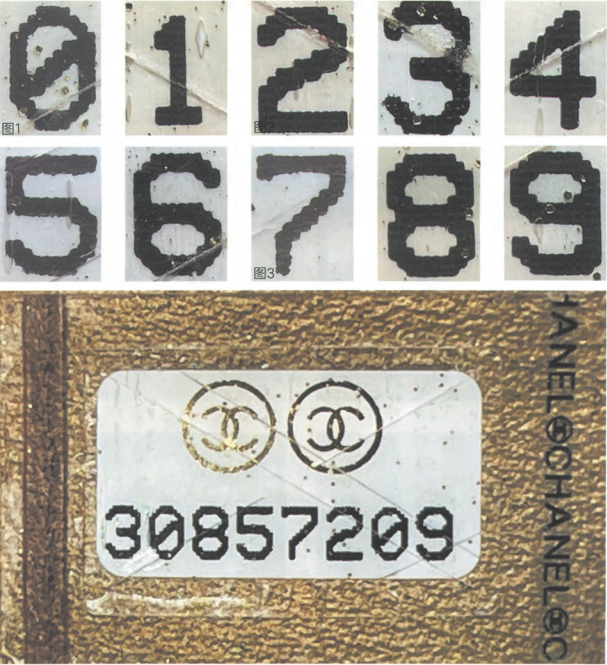
| Real | 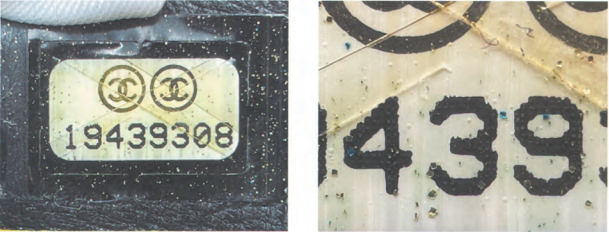 |
| Fake | 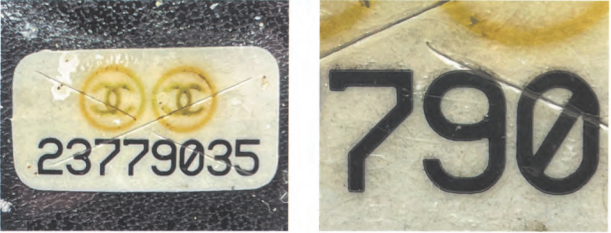 |
Gold Dust and UV Light Reactions
- The size and distribution of the gold powder particles on the laser tag are completely random. If the gold powder is clustered together or uniform in size, compare it more closely with a matching-series reference and the other identifier details.
- The powder consists of gold particles and a very small amount of blue particles. The amount of powder does not determine authenticity; in fact, 12 and 13 series laser tags may have no powder at all.
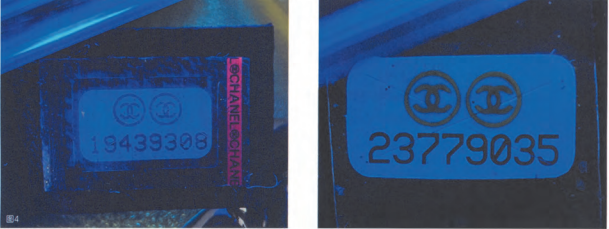
- When placed under a UV light, an authentic Chanel laser tag will reveal a red line. Note that vintage models and the Cambon series do not have this feature.
Chanel Serial Number Year Chart
To properly date a pre-May 2021 Chanel bag, reference this comprehensive serial prefix and era timeline. Note how digit count, font serifs, and protective films evolved across production runs:
- 0xxxxxx (6–7 digits, leading zero): 1986—1988. Opaque white sticker with cutout film, sans-serif digits, no Chanel logos on the sticker.
- 1xxxxxx (7 digits): 1989—1991. White sticker with repeating CC logos on the border, left-side vertical black line.
- 2xxxxxx (7 digits): 1991—1994. Clear film overlay introduced; font kerning remains clean and uniform.
- 3xxxxxx (7 digits): 1994—1996. White background sticker, clear top film.
- 4xxxxxx (7 digits): 1996—1997. Introduction of iridescent security film and diagonal slit cuts.
- 5xxxxxx (7 digits): 1997—1999. First appearance of the strikethrough “0” and distinct feet/serifs on the number “1”.
- 6xxxxxx (7 digits): 2000—2002. Fine gold flecks introduced across the sticker; “X” security crisscross cuts added to prevent transfer.
- 7xxxxxx (7 digits): 2002—2003. Gold fleck density increases; CC logo repeating pattern stabilized.
- 8xxxxxx (7 digits): 2003—2004. Authenticity cards begin featuring fine fluorescent security dots under 365nm UV light.
- 9xxxxxx (7 digits): 2004—2005. Final 7-digit series; fine die-cut security crosses standard.
- 10xxxxxx to 14xxxxxx (8 digits): 2005—2011. Transition from 7 to 8 digits; numbers feature serif 1s and strikethrough 0s.
- 15xxxxxx to 24xxxxxx (8 digits): 2011—2017. Standardized rectangular sticker with clear laminated overlay, gold flecks, and dual perimeter CC logos.
- 25xxxxxx to 29xxxxxx (8 digits): 2017—2020. Uniform font kerning; sticker edges adhere firmly with anti-peel cross-cuts.
- 30xxxxxx to 31xxxxxx (8 digits): 2020—April 2021. The final production run of hologram serial stickers prior to the hardware microchip transition.
- Integrated Metal Plaque Microchip Era (May 2021 onward): Physical stickers and authenticity cards discontinued. A polished metal plate (matching bag hardware) is riveted inside, laser-engraved with an 8-character unique alphanumeric code and housing an encrypted internal microchip.
Important Reality on Smartphone NFC Scans: A common misconception is that tapping a Chanel microchip with a consumer smartphone (or scanning it with apps like NFC Tools) proves authenticity. In reality, genuine Chanel microchips are encrypted RFID transponders that interact exclusively with Chanel’s proprietary in-store handheld scanners and internal warranty database. A genuine chip will return no public web address or an unreadable encrypted tag on a standard phone. Counterfeiters exploit this misunderstanding by inserting cheap, unencrypted NFC stickers programmed to launch Chanel’s public website when tapped. A smartphone opening a web page when tapping the bag is not proof of authenticity—it is frequently a counterfeit marketing gimmick.
To discover why different eras of Chanel bags are so highly coveted by collectors globally, read Christie’s expert Collecting guide: Chanel bags.
Step 3: Authenticity Cards, Font Formatting, and UV Response
The authenticity card acts as the “ID card” for the bag, and its serial number must match the laser tag exactly. To thoroughly Chanel authenticate this accessory, check the manufacturing, printing, dimensions, and UV reactions.
Physical Dimensions and Visuals
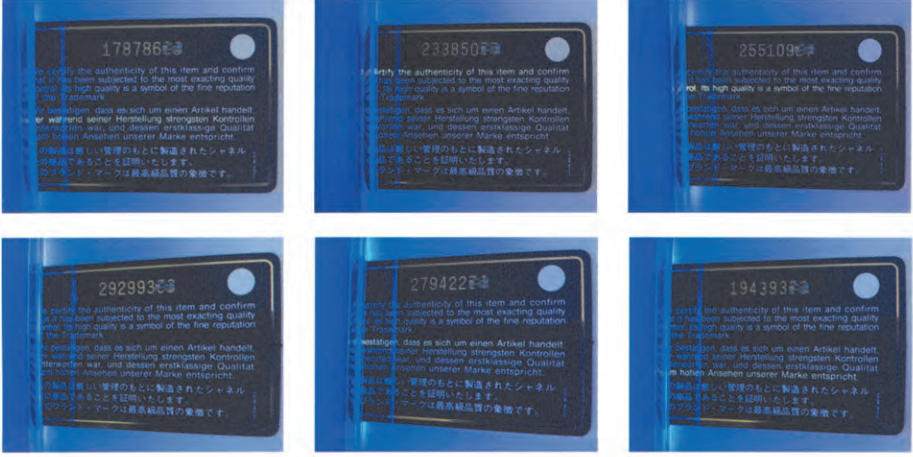
- The gold border framing the authenticity card should not show any holographic or iridescent colors.
- Modern authentic cards feature a small white dot on the left side of the front.
- Inside the white circle on the card, you can see a double C brand logo with varying clarity depending on the angle; it cannot be clearly captured if photographed straight on.
- On the back of the card, within the English text, the letters ‘t’ and ‘y’ in the word “quality” are physically connected.
- The standard physical measurements of the card are approximately 54mm in width, 86mm in length, and 0.8mm in thickness.
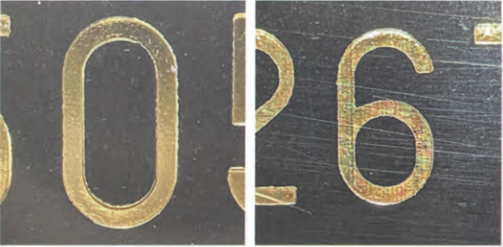
- The numbers ‘0’, ‘9’, and ‘6’ printed on the card have straight edges and a square font shape.
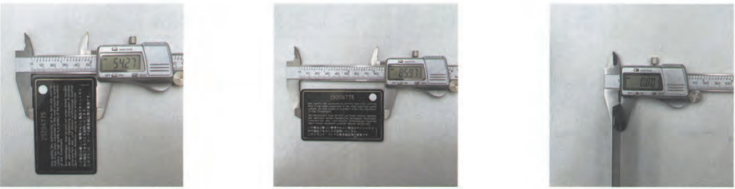 | ||
| Width :54mm | Length:86mm | Thickness:0.8mm |
UV Fluorescent Reactions
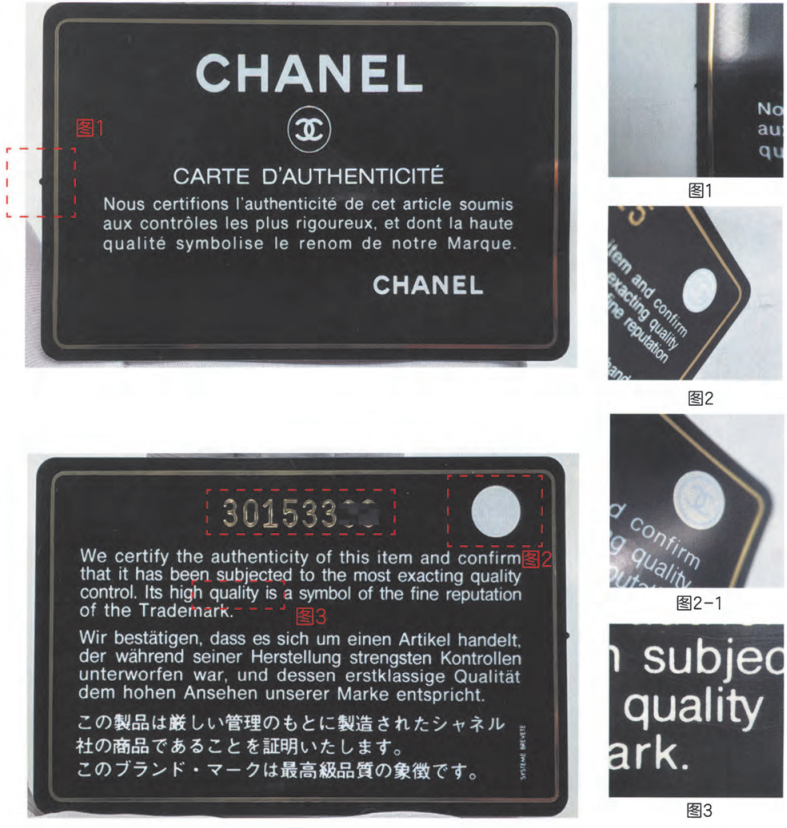
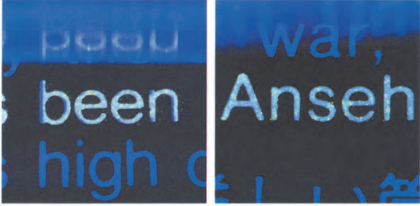
- For cards from series 19 and newer, the text that lights up under UV light will have fluorescent dots around it.
- The edges of the numbers 0, 9, and 6 on the ID card are straight, and the font is the official font for ID cards.
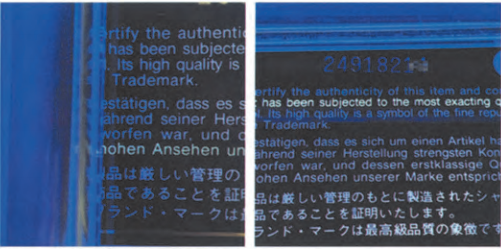
- Depending on the encoding on the back of the card, the specific lines of text that illuminate under the fluorescent light will differ.
Explore our full collection of authentication guides at ReinaLuxe.co
Step 4: CC Turnlock Bevels, Screws, and Zipper Manufacturers
Because authentic hardware requires strict material selection and rigorous manufacturing, counterfeiters often expose themselves here. When you Chanel authenticate the hardware, focus on screws, polishing, and brand engravings.
Screws and Hardware Polishing
- On standard production Classic Flaps and modern Boy bags, the screws securing the turnlock backplate and chain grommets are predominantly flat-head (slotted) screws or star-shaped (Torx) screws. Authentic screws sit completely flush with the backplate, featuring razor-sharp, flat screwheads without rounded convex tops.
- Screw heads must not be treated as a single-point failure: certain early vintage pieces, seasonal runway hardware, or bags that received authorized boutique servicing may feature period-correct variations. What remains constant is the precision of the thread machining, the absence of burrs, and the exact fit within the screw recess.
- Authentic Chanel hardware is crafted from dense, solid brass, stainless steel, or Zamak alloy, featuring uniform electroplating. The finish exhibits clean satin or mirror polishing without pitting, air bubbles, or crude machine cutter lines along the chamfered edges.
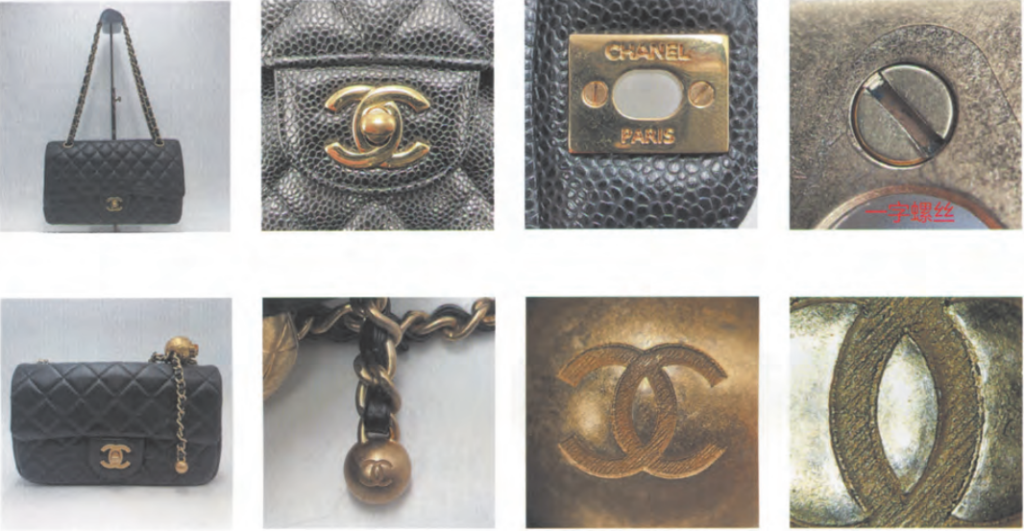
- The metal clasps are cleanly polished, and the metal surface exhibits a high density.
- The surface of the metal shows delicate wire-drawing (brush) marks, and there are no obvious casting or cutting marks around the edges.

Vintage Features and The LE BOY Bag
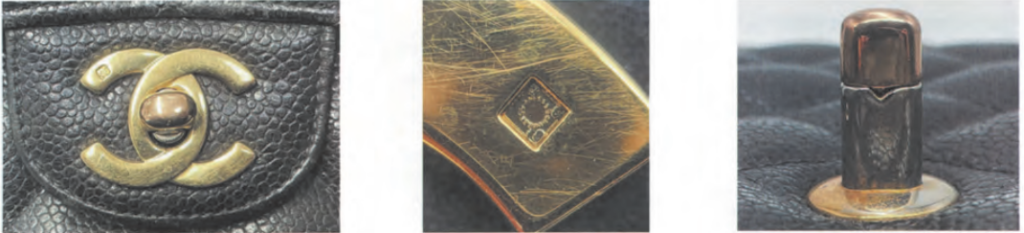
- Vintage Indicators: To identify vintage hardware, look for a square hallmark stamp on the double C metal clasp, and a ‘V’ shaped mark on the bottom head of the central turn-lock axis.
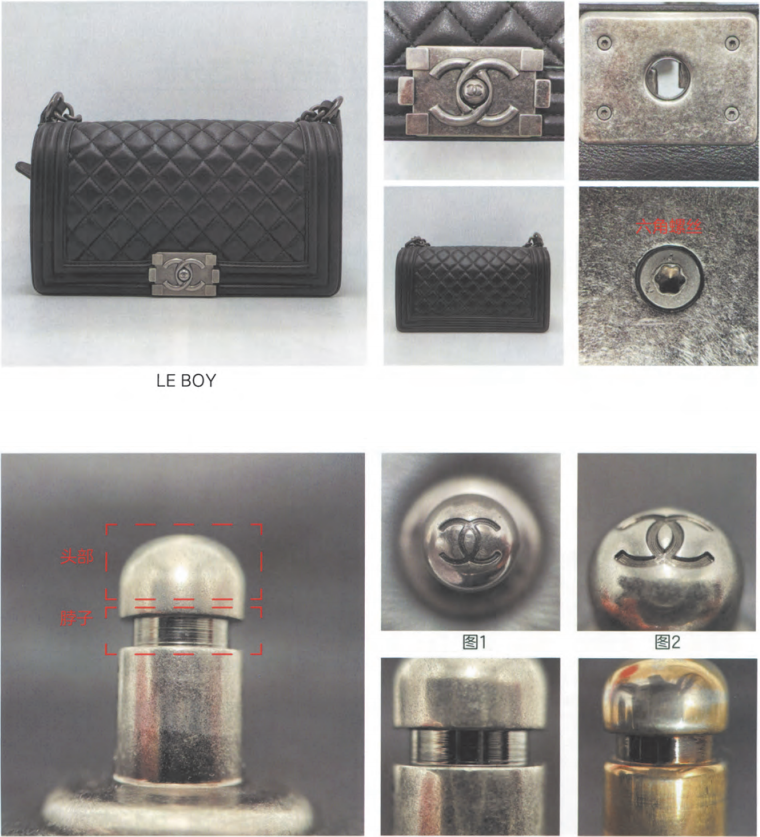
- LE BOY Hardware: The LE BOY is a highly replicated classic. The double C engraving on the top of the central axis must show distinct polishing marks, a feature also found on the shoulder strap adjustment buckles. Pay close attention to the size proportions between the “head” and the “neck” of the central axis, as well as the color and specific polishing marks located on the neck.
Zipper Manufacturers and Pull Engravings
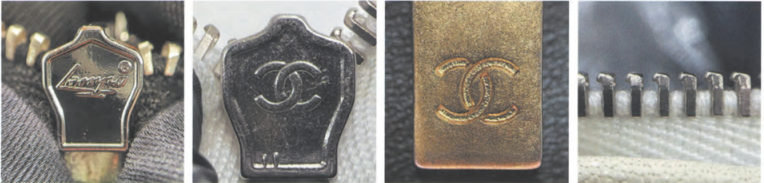
- While Chanel has long partnered with luxury zipper manufacturer Lampo (frequently found on vintage and classic flap interior pockets), Lampo is not the sole supplier.
- Across different eras, factories, and bag styles, Chanel has officially utilized hardware and zipper sliders from EP, DMC, OPTI, Eclair (vintage), and YKK (frequently on interior compartments and small leather goods), alongside proprietary custom-engraved Chanel pulls.
- On pulls featuring the CC logo or manufacturer mark, inspect the depth and crispness of the engraving: authentic stampings have smooth, deburred channel bottoms rather than rough, machine-chiseled pits.
Step 5: Packaging, Typography, and Dust Bag Fabric Details
Packaging and protective accessories provide valuable secondary context when authenticating a Chanel handbag. Comparing fabric density, typography, and line-drawing resolution helps distinguish genuine items from counterfeit packaging sets:
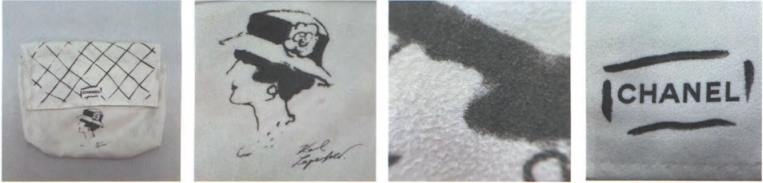
- The Gabrielle Portrait Drawing: The white cotton dust bags accompanying classic and vintage pieces feature the famous profile sketch of Gabrielle Chanel. The line drawing displays delicate, varied line weights with fine hatched shading across her hat and hair. Authentic bags use crisp, high-definition screen printing on dense, heavy-gauge cotton canvas. Counterfeit dust bags usually miss this fine hatching, printing the hair in a flat, oversaturated black ink where delicate facial contours bleed together into a solid blur.
- Black Dust Bags: Modern Chanel bags are predominantly accompanied by black cotton or linen dust bags featuring the “CHANEL” logo in crisp white lettering. Inspect the letterforms against the standard brand typography rules detailed in Step 1: the “C” must form an exact circle, the middle arm of the “E” must be shorter, and the ink must be embedded cleanly into the fabric weave without surface cracking.
Conclusion
The most reliable Chanel authentication comes from agreement across era, serial/identifier system, logo typography, leather and quilting, hardware geometry, screws, zipper type and construction. The detailed images in this article remain useful because they show exactly what I am comparing; the important change is to avoid turning any one of them into an absolute rule.
If you’re using these details to assess a listing, confirm what happens if the bag differs from the photographs. The pre-owned buyer’s checklist covers the listing record and return terms.
FAQ: Chanel Authentication
Can a real Chanel bag have a Phillips-head screw?
Do not use screw type alone as an authenticity verdict. Compare the exterior component with a reference for the same Chanel model and period, and check any repair history.
What should I look for on a Chanel laser tag under UV light?
On a Chanel bag from an era that uses a hologram serial sticker, compare its UV response with a matching-period reference. The red-line detail described above does not apply to every identifier; vintage models and the Cambon series need their own comparison.
Does the amount of gold dust on the laser tag prove it’s real?
No. Compare the size and distribution of the gold and blue particles with a matching-series reference. The article notes that some 12 and 13 series bags may have no powder. A difference in powder should be assessed alongside the identifier printing and the bag itself.
How can I verify the foil stamping on the leather?
Compare foil color, letter shape, indentation and visible leather texture with a matching model and period. A shallow or unclear impression needs a closer view and should be assessed with the other construction details.
What is a key detail to check on a Chanel authenticity card?
Check the back of the card; in the English text, the letters ‘t’ and ‘y’ in the word “quality” should be physically connected. Also, modern cards have a small white dot on the front left, and the gold border should not have a holographic effect.

13 comments
Omg, this is exactly what I needed! I’ve been eyeing a vintage Classic Flap but was so scared of buying a super fake. The tip about the flathead screws is an absolute lifesaver. I almost bought a bag from a local reseller yesterday but noticed it had Phillips screws after reading this. Bullet dodged!
The earlier screw rule was too absolute, Sarah. Compare that exterior component with the same Chanel model and period, including any repair history. A Phillips screw by itself is not enough to reject or authenticate the bag.
I never knew about the specific UV light reaction on the Chanel laser tags. That’s fascinating. I’m definitely buying a UV flashlight before my next pre-loved purchase. Great article!
A UV view can help compare a sticker with the same series under similar lighting, Mia. Match the identifier to the bag’s era first. I would keep the UV response with the other checks, rather than make a purchase decision from it alone.
I checked my own bag’s authenticity card right after reading this, and yes, the ‘t’ and ‘y’ in the word ‘quality’ are physically connected! Such a cool hidden detail that I never noticed before. Thank you!
I’m glad you noticed the lettering detail. Compare the card with the relevant series and check the bag’s other identifiers and construction too; that connection between letters alone cannot confirm your bag is authentic.
The part about Karl Lagerfeld adding layers for grey hair to Coco’s portrait on the dust bags completely blew my mind. What an amazing historical tribute. I’ll definitely pay closer attention to the dust bag printing now.
The portrait is an interesting packaging detail, Jen. I would compare it with the same packaging version, while keeping the bag’s identity separate from its dust bag. This comment does not establish how every counterfeit dust bag is printed.
This article is unbelievably thorough. I always thought the more gold dust on the laser tag, the better. Good to know that it’s actually about the random distribution and size of the particles.
The quantity or distribution of particles should be compared with a reference for the same sticker series. I would use that alongside the bag’s other identifiers and construction, rather than treat gold dust as proof of authenticity.
Thank you so much for including the serial number year chart! It helps immensely when trying to accurately date vintage pieces from the 90s. I’m bookmarking this page right now.
Hi Amanda, thank you for the bookmark! The serial number chart is definitely one of the most useful tools for verifying if a bag’s style matches its supposed production year. Happy thrifting!
Editor’s question: what is the Chanel authentication “rule” you see repeated most often but trust the least? I’m collecting examples where a single tell breaks down across model, year, or material so the guide can distinguish useful evidence from oversimplified rules.