
Introduction: The Allure and Mystery of Hermès Craftsmanship
Among luxury handbags, no name commands more respect than Hermès. Every Birkin, Kelly, or Constance represents centuries of tradition and an unwavering devotion to craftsmanship. With retail prices often starting around $10,000 and climbing into six figures, these pieces have become the ultimate symbol of understated wealth and artistry.
Yet, in today’s market, even experts sometimes struggle to identify an authentic Hermès bag vs a replica. The rise of AAA replica Hermès bags—crafted with precision, genuine leather, and near-perfect hardware—has blurred the line between authenticity and imitation. For collectors, understanding these fine distinctions isn’t just about spotting a fake; it’s about appreciating the artistry that defines both worlds.
In this guide, we’ll explore the hallmarks of genuine Hermès craftsmanship—from hot stamping and exotic skin markings to hardware engraving and stitching details—while showing how modern Hermès bag replicas have evolved to reflect the same meticulous techniques once exclusive to French ateliers.(“Visit the official Hermès website to explore their full collection”)
As Hermès handbags continue to command astronomical prices—sometimes reaching over $20,000 for a single Birkin—many collectors have begun exploring high-end alternatives. These aren’t cheap knockoffs but carefully crafted reproductions that celebrate the same artistry and materials. For those curious about how to enter this refined world, our AAA Replica Bags: The Complete Guide to Buying the Best Luxury Replica Bags in 2025 explains everything from grading systems to trusted sourcing and how to select replicas that truly honor luxury craftsmanship.
Table of Contents
The Hermès Craftsmanship Philosophy
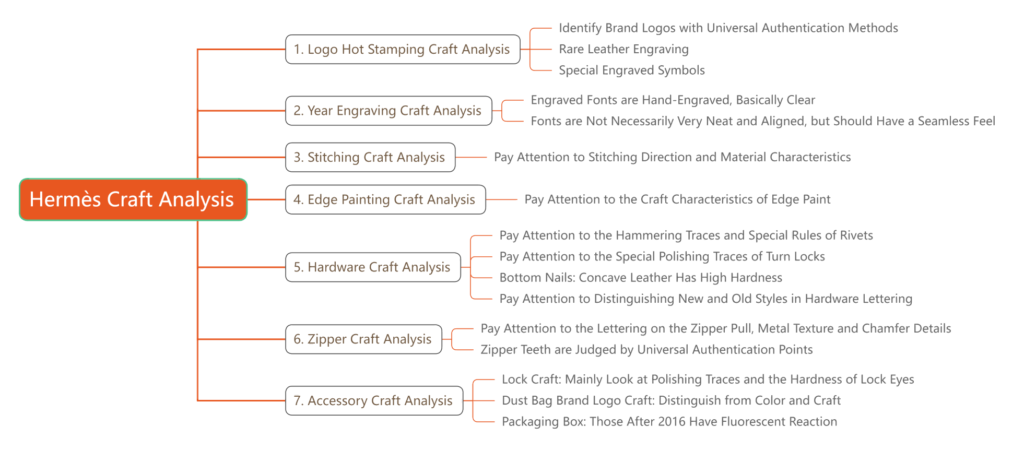
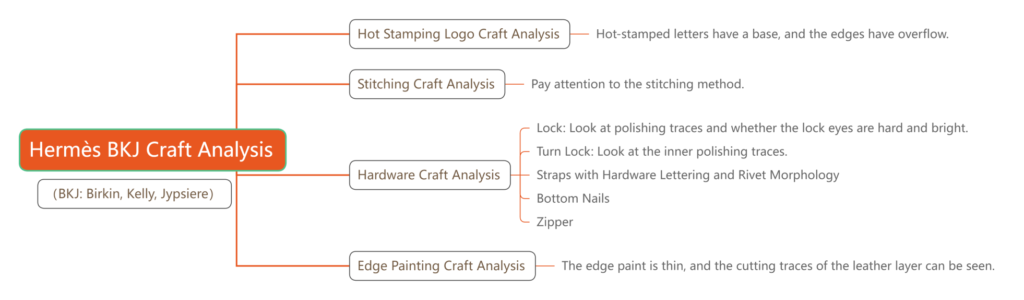
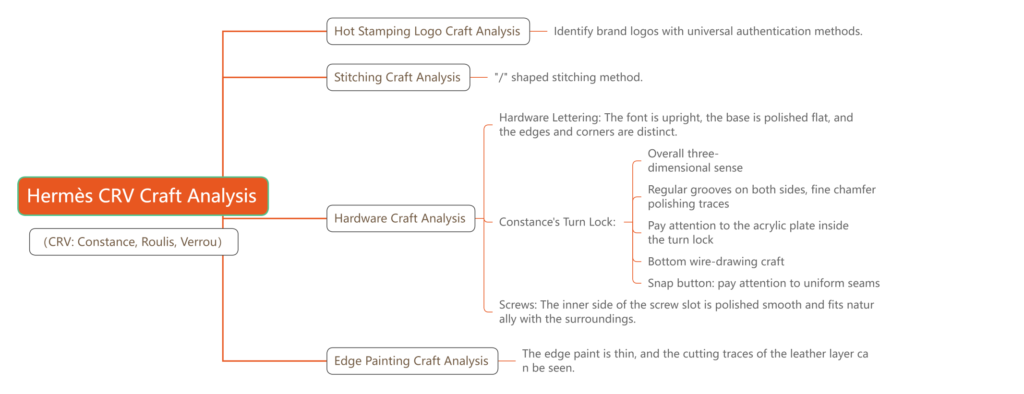
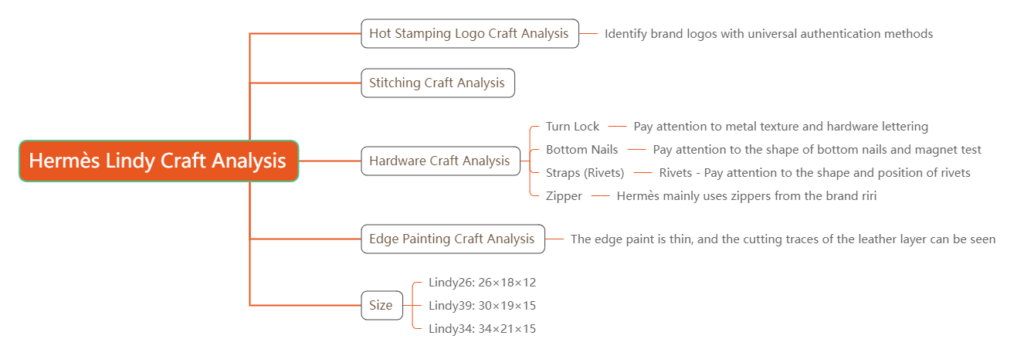
To truly distinguish an authentic Hermès bag from a replica, you must first understand what makes Hermès unique. Founded in 1837, the brand has always rejected mass production. Each Hermès handbag is entirely hand-stitched, polished, and finished by a single artisan, a process that takes 18 to 24 hours per piece. Unlike factory-produced luxury brands, Hermès maintains over 50 small workshops across France, each preserving traditional saddle-stitch and edge-painting methods that trace back to its equestrian origins.
This devotion to slow, meticulous work forms the backbone of Hermès craftsmanship. Every bag carries subtle imperfections—the barely uneven stitches, the soft rhythm of hand-pressed seams—that prove it was shaped by human hands. Ironically, those tiny irregularities are what fake Hermès bags often miss; replicas tend to appear too perfect, with laser-aligned stitching and symmetrical embossing.
Every Hermès bag is born from the hands of a single artisan, following a process that can take up to 24 hours of uninterrupted work. The precision, patience, and pride involved are unmatched in the world of luxury leather goods. To better understand these meticulous methods—and how they influence today’s top-tier replicas—you can explore our Luxury Bag Craftsmanship Guide: Structure, Materials & Replica Checks (2025). It details the core construction elements, from stitching angles to edge-dye layering, that define true artisanal quality.
However, the world of AAA replica Hermès bags is changing. Today’s top-tier replicas employ skilled leatherworkers trained in traditional techniques, using full-grain calfskin, chèvre, or even crocodile leather. While these replicas may not hold the same heritage, they increasingly reflect the craftsmanship DNA that once defined only Hermès. For discerning buyers, the difference is no longer about quality alone—but about authenticity, origin, and intention.
Hot Stamping & Exotic Marking Analysis
One of the first clues in identifying a real Hermès bag vs a replica lies in the hot stamping—the small gold or silver “HERMÈS PARIS MADE IN FRANCE” mark found under the flap or near the handle base.
1. Hot Stamping Craftsmanship
In a genuine bag, each letter of the Hermès stamp is hand-pressed with heat and gold foil, leaving behind a shallow, precise groove known as a press mark. The impression is slightly irregular because it’s done manually. You’ll also notice a faint overflow of gold foil around the edges—a natural result of human application.
By contrast, replica Hermès bags often use laser embossing or cold pressing, producing flat, uniform letters with no visible depth or heat reaction.
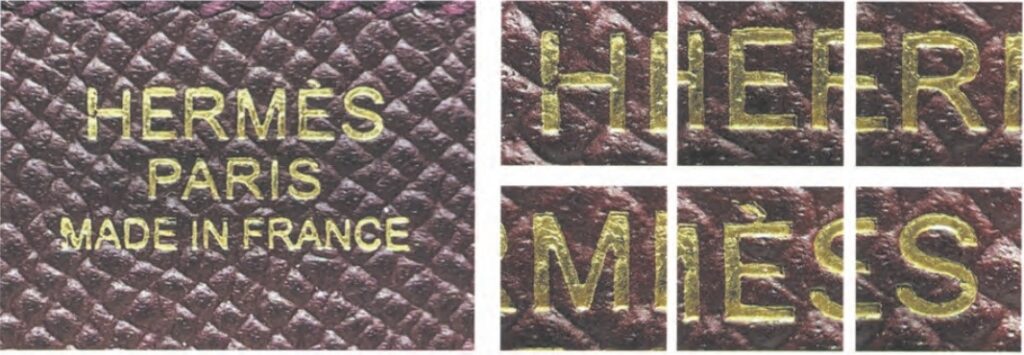
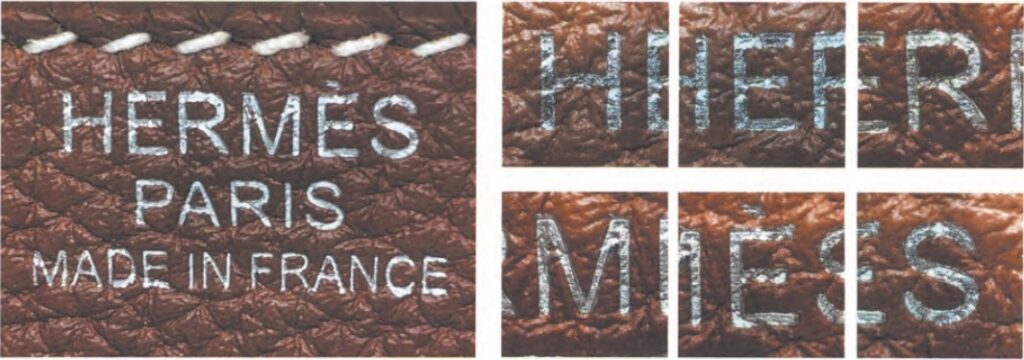
However, in recent years, AAA replica Hermès bags have narrowed this gap dramatically. Premium replicas now replicate even the subtle press-groove texture and light foil spill that used to signal authenticity. Unless inspected under magnification, their hot stamping can appear virtually identical to that of an authentic Hermès bag.
2. Rare Leather Symbols and Codes
Hermès uses a system of tiny symbols to identify exotic skins:
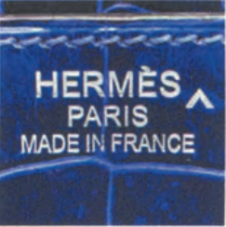 | 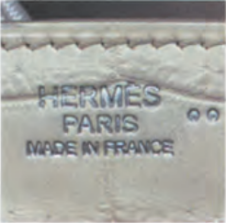 |  |  | 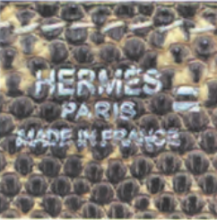 |
| “/\” marks | “••” marks | “□” marks | “–” marks | “=” marks |
| Porosus crocodile | Niloticus crocodile | Alligator mississippiensis | Niloticus lizard | Varanus salvator lizard |
These markings are usually placed near the hot stamp or under the flap. Authentic Hermès craftsmen emboss these symbols with subtle depth and tactile resistance. Many fake Hermès bags overlook these details or misplace the mark entirely.
3. Special Hermès Marks and Their Meanings
Beyond leather codes, Hermès also uses special marks reserved for unique production categories:
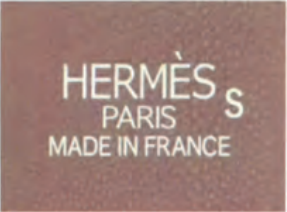 | 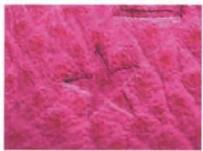 | 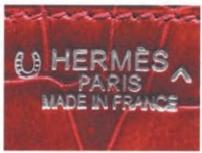 |  |
| “S” | Star (★) | Horseshoe (⩗) | Meteor (✦) |
| Staff purchase or special exception item | Master artisan creation | VIP custom order (Horseshoe Stamp) | Gift from Hermès craftsman |
These subtle engravings reflect not just rarity but legacy. While a replica Hermès bag might imitate the marks visually, few achieve the genuine texture and organic alignment that result from hand tooling on premium leather.
In short, authentic Hermès hot stamping tells a story—of heritage, heat, and human precision. Yet, the evolution of AAA replica Hermès craftsmanship reminds us that the boundary between replica and original has never been thinner, demanding a deeper appreciation of what “authenticity” truly means.
Date Stamps & Artisan Codes
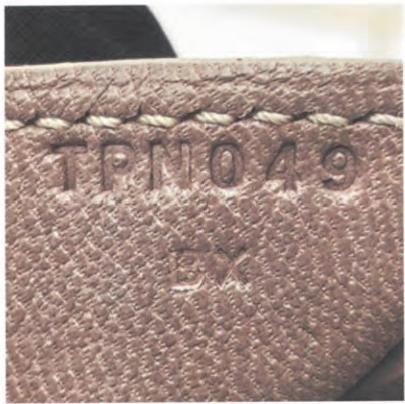
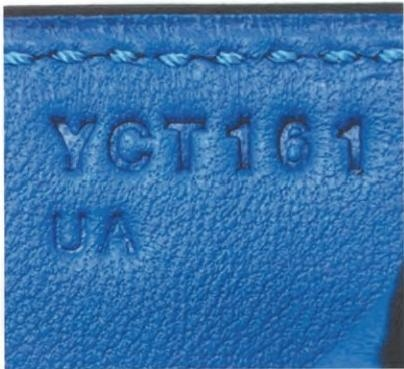
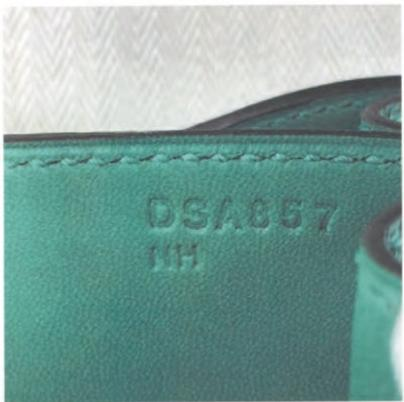
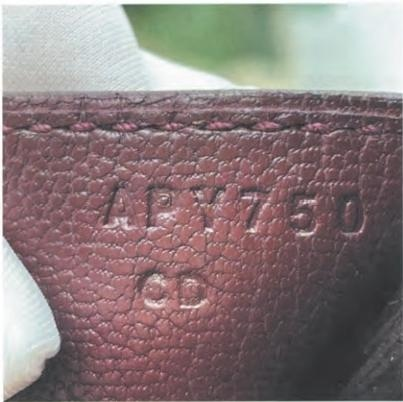
Every authentic Hermès bag carries a unique date stamp that tells you when and where it was made. Unlike mass-produced labels, Hermès uses a coded system combining letters, shapes, and symbols to identify production years and artisans.
From 1945 to 1970, date stamps appeared as single letters without borders (A–Z). Between 1971 and 1996, Hermès used a circle frame; from 1997 to 2014, the square frame system appeared. After 2015, the brand dropped the border again, using stand-alone letters such as “T,” “X,” “A,” “C,” and “D.”
These stamps often appear discreetly—on the Birkin and Kelly, you’ll find them behind the strap or inside the bag opening. For Evelyne models, the stamp hides behind the small ear-shaped flap.

In genuine bags, the Hermès date stamp is hand-stamped with a metal die, meaning the alignment might not be perfectly straight. That slight irregularity actually proves authenticity. Many fake Hermès bags use machine stamping, producing overly crisp, consistent characters that lack natural pressure variance.
Even more interesting, authentic date stamps are often paired with a craftsman ID, another small mark indicating who created the bag. Together, these form the “birth certificate” of an Hermès piece.
 |  | ||
 |  | ||
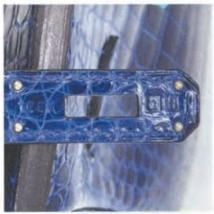 | 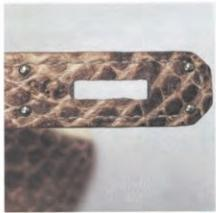 | 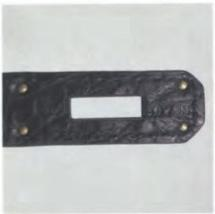 | 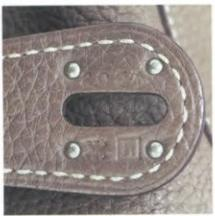 |
Today, the most advanced AAA replica Hermès bags attempt to replicate these hand-stamped imperfections—sometimes even mimicking historic date code formats. While visually impressive, experienced collectors can still detect subtle differences in depth, font spacing, and pressure distribution. Understanding these micro details remains essential to authenticating a genuine Hermès bag.
Hermès’ date codes and artisan stamps are among the most reliable indicators of authenticity—but they’re far from the only ones. Factors like hardware engraving, thread type, and leather texture all play a role. For readers who want to expand their expertise across other brands, our How to Spot Fake Designer Bags: Complete Luxury Authentication Guide breaks down the universal principles of authentication. It covers key signs shared by Chanel, Dior, and Louis Vuitton replicas, helping you build an expert eye for craftsmanship and material precision.
Hardware and Zipper Craftsmanship
If the leather is Hermès’ soul, then the hardware is its jewelry. Each buckle, screw, and padlock on an authentic Hermès bag is individually cast, polished, and engraved by hand.
1. Hardware Engravings
Classic Hermès hardware bears the engraving “HERMÈS – PARIS.” The spacing, dash placement, and letter depth vary slightly by year and model. For instance, vintage Birkin bags from the Square M era feature sharper serif letters, while modern pieces have smoother contours and polished bevels.
The surface of real Hermès hardware shows fine directional brushing and micro-scratches—signs of genuine hand polishing. By contrast, many fake Hermès bags use plated metal that looks too shiny and feels lighter.
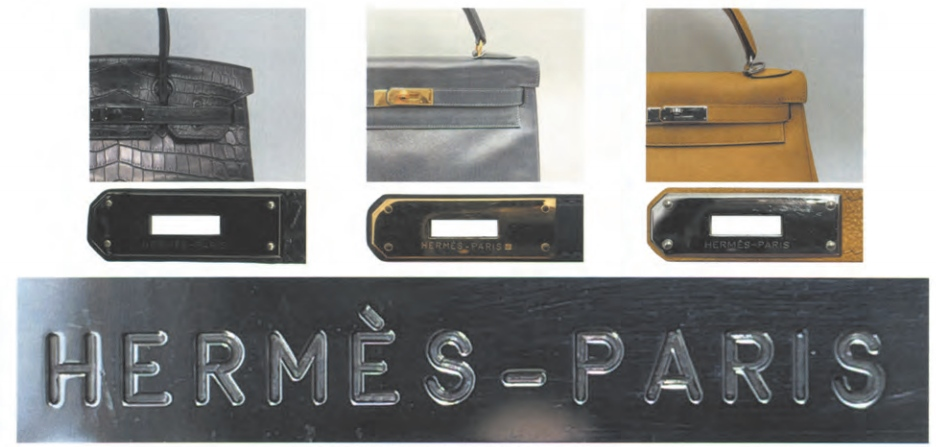
 | 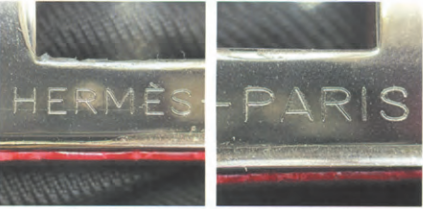 |
| Image from Constance – Year Stamp: Y | Image from Lindy – Year Stamp: R in a square frame |
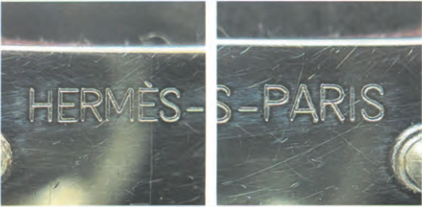 | 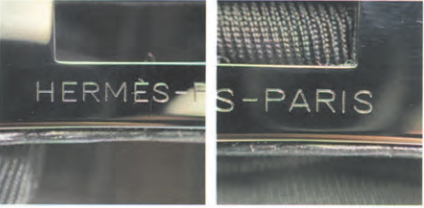 |
| Image from Birkin – Year Stamp: N in a square frame | Image from Birkin – Year Stamp: M in a square frame |
Modern AAA replica Hermès bags now use solid brass and achieve near-perfect font replication, even mimicking the beveled edges of the original hardware. When compared side by side, the main difference lies in tactile feel: authentic pieces have a denser, colder weight due to their precision alloys.
2. Zipper Details
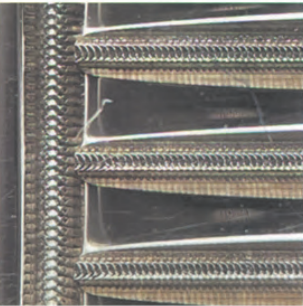
Hermès primarily uses riri-brand zippers, a Swiss manufacturer renowned for precision metal teeth. In an authentic Hermès bag:
- Each tooth is polished and chamfered individually.
- The zipper pull is engraved with a fine “HERMÈS” or “riri” logo on the back.
- The slider base features an H-shaped metal stop, often hand-finished with visible polishing lines.

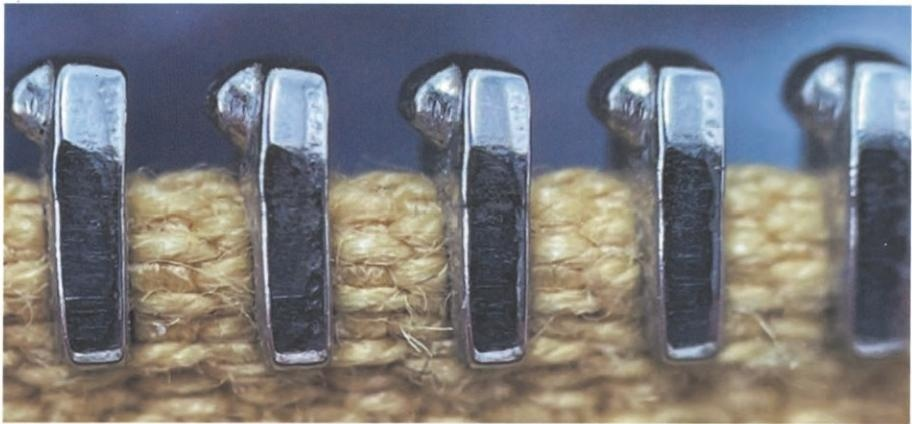
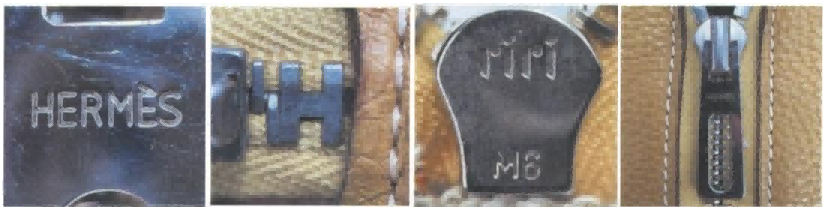
Lower-grade replicas often use generic zippers with flat, dull teeth. But top-tier AAA replica Hermès bags now integrate riri zippers identical in texture and resistance. Some even reproduce the subtle friction and metallic resonance that only authentic Hermès pieces used to have.
In short, when inspecting a Hermès bag—real or replica—the hardware tells you everything about the maker’s standards. Precision doesn’t lie.
Lock, Stitching & Edge Painting
1. Lock and Key Details
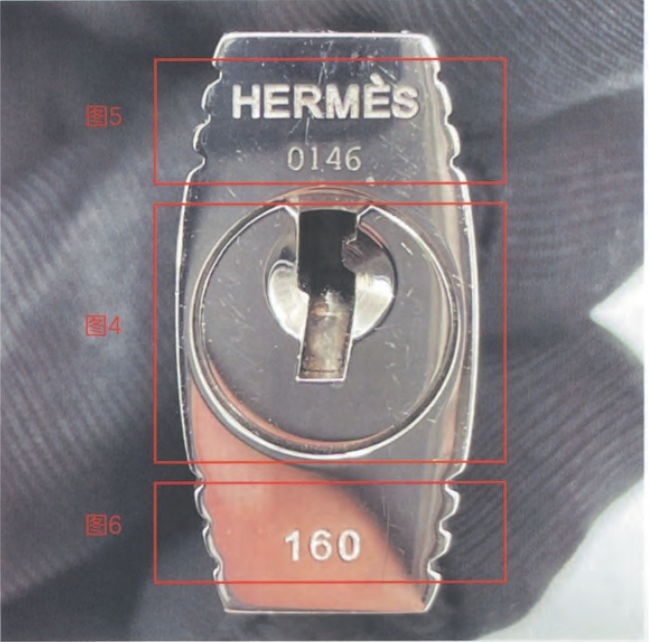
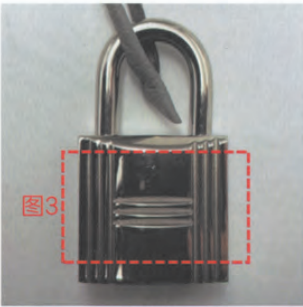
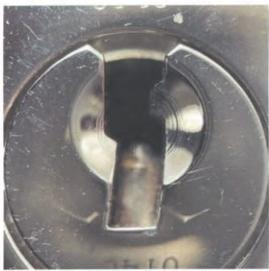
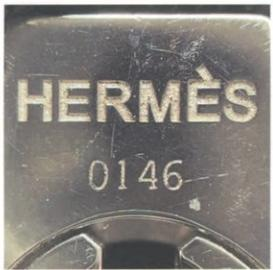
Even Hermès locks are miniature works of art. The padlock and keys are engraved with matching numbers and finely polished edges.
 |  | ||
 | |||
 |  |  | |
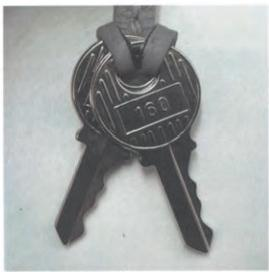 | 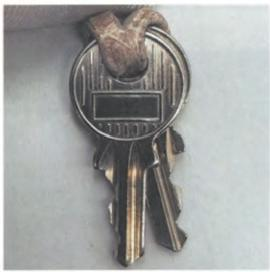 | 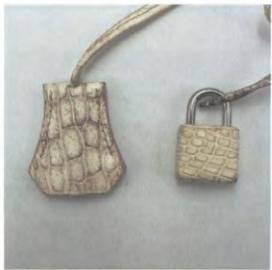 | |
| Older models feature the “break-type” lock design, where four vertical ridges surround the key slot. | Newer models use the “dot-type” style, with four small raised dots around the slot for smoother key rotation. | Items made of special leather will have their locks wrapped with leather (usually for protection and decoration). | |
Authentic locks show light brushing and tool marks, evidence of manual grinding. Many fake Hermès bags try to imitate this but end up looking too clean or symmetrical. Interestingly, AAA replicas are now beginning to reproduce even these imperfect polish lines—an ironic sign of their authenticity to craftsmanship.
2. Stitching Techniques
Hermès artisans use a saddle stitch, created by two needles passing through the same hole from opposite sides, forming a signature “/” diagonal rhythm. The thread tension varies slightly with the artisan’s hand, giving each bag a subtle uniqueness.
In authentic Hermès bags, you can feel the raised stitch pattern when running your fingers along the seams. Each corner is double-reinforced, especially on Birkin handles and Kelly flaps. In contrast, fake Hermès bags often feature machine stitches that are flat, uniform, and lack tactile depth.
Many AAA replica Hermès workshops have begun to employ trained artisans using the same waxed linen threads, matching the original stitch spacing and direction. The difference has become microscopic—visible mostly under magnification.
3. Edge Painting and Finishing
Hermès uses multiple coats of edge dye, each sanded and repainted for a glassy finish. The edge paint is usually thin, allowing you to glimpse the natural leather layers beneath. Many counterfeits overpaint this edge to hide imperfections.
High-end AAA replicas, however, now follow authentic Hermès multi-layer edge finishing, showing subtle layering and natural cut traces. Again, it’s proof that replication today is not about deception—but about admiration of Hermès’ unparalleled craftsmanship.
Accessories & Packaging Details
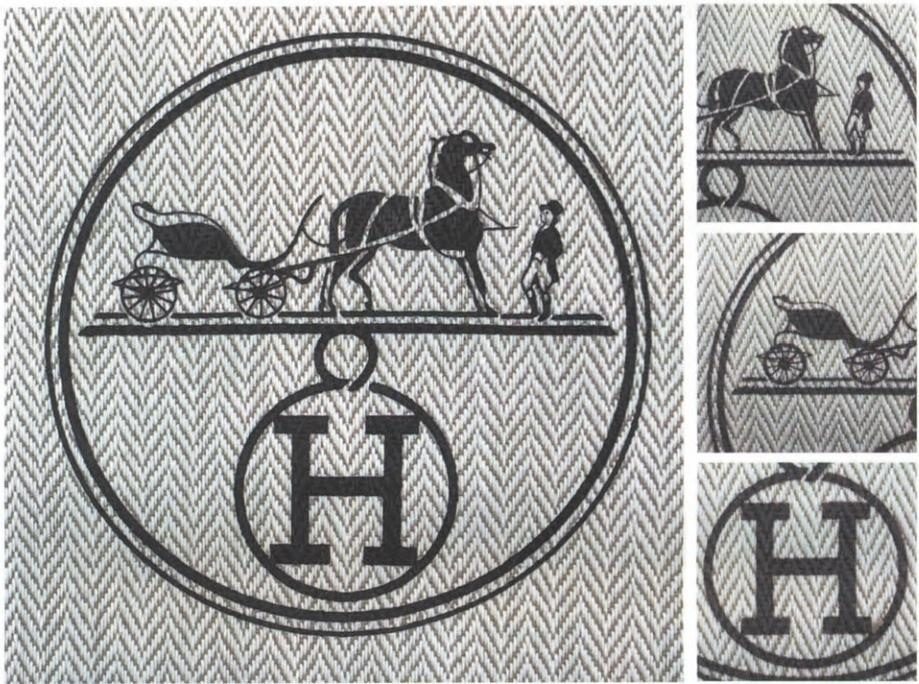
A real Hermès dust bag is as carefully crafted as the purse itself. The H logo is printed with saturated ink that resists fading, and the spokes of the carriage wheel are perfectly balanced—12 in the back, 10 in the front, with the “H” corners touching the circle precisely.
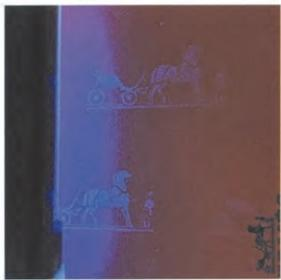
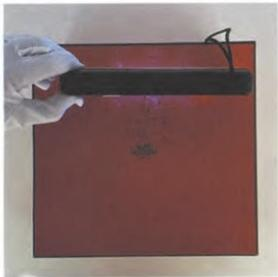
For packaging, Hermès orange boxes have become iconic. Since 2016, new boxes show a UV-reactive fluorescent pattern under black light. The texture is slightly grainy, not glossy. Still, remember: packaging alone can’t confirm authenticity—many resellers re-pair old boxes with new items.
 |  |  |
Top-tier AAA replica Hermès bags now come with mirrored dust bags and fluorescent orange boxes, even replicating the grain direction of the cardboard material. It’s another example of how the replica industry increasingly matches Hermès’ aesthetic precision.
Mastering the nuances of the 18-degree saddle stitch and hand-hammered hardware is what separates a true connoisseur from an average buyer. To see how these authentic craftsmanship standards are applied to the highest level of the market, read our ultimate 2026 guide on how to identify and commission the top quality replica Hermes masterpieces available today.
Conclusion: Understanding Authenticity Beyond Labels
The art of identifying an authentic Hermès bag vs a replica goes far beyond chasing perfection. True Hermès craftsmanship is human, and therefore imperfect—each stitch, stamp, and polish mark tells the story of an artisan’s hand.
Meanwhile, the modern AAA replica Hermès bag reflects something equally fascinating: the global admiration for that craftsmanship, recreated by artisans who strive to mirror the same devotion to quality and detail.
For many collectors, owning a Birkin replica or Kelly AAA replica is not about deception but appreciation—about experiencing the artistry, texture, and silhouette that made Hermès legendary, without the unattainable price tag.
Whether you’re an authenticator, an admirer, or a collector, learning these Hermès craftsmanship details allows you to appreciate both authenticity and artistry—because in the world of luxury, knowledge itself is the ultimate mark of refinement.
The craftsmanship conversation doesn’t end with Hermès. As luxury fashion evolves, even replica artisans are following the latest design directions—mirroring not only craftsmanship but also aesthetic trends. From minimal hardware to sustainable exotic finishes, the lines between authentic and replica continue to blur. To see how this evolution connects to broader fashion shifts, explore our 2025 Luxury Bag Trends & How AAA Replica Bags Reflect the Runway, where we analyze the key silhouettes and materials shaping next year’s market.
FAQs
How can you tell if a Hermès bag is authentic?
To identify an authentic Hermès bag, check for unique craftsmanship details such as hand-stitched seams, precise hot stamping, and custom engravings on the hardware. Authentic bags often have slight imperfections due to the manual labor involved in their production.
Do AAA replica Hermès bags use real leather?
Yes, high-end AAA replica Hermès bags typically use real leather, often sourced from premium tanneries. While the leather quality can be quite similar to genuine Hermès, other details like stitching, hot stamping, and hardware may reveal subtle differences.
Is the hot stamping on replica Hermès bags accurate?
Premium replicas strive to replicate the hot stamping process used by Hermès, including the letter depth and foil spill. However, you may notice slight differences in the pressure or alignment that differentiate an authentic bag from a replica.

9 comments
This article is so helpful! I recently bought a Birkin replica and was amazed by how close it felt to my friend’s authentic one. Now I finally understand why — the stitching and hardware finishing are almost identical.
We love hearing this, Sophie! Quality craftsmanship should be appreciated in every form. Your observation about the stitching is spot-on — that’s one of the hardest details for any artisan to replicate perfectly. ✨
I’ve been researching Hermès bags for months and this is by far the clearest breakdown I’ve read! The hot stamping and hardware details you mentioned really helped me understand what to look for. I also didn’t realize AAA replicas could be that close in craftsmanship.
Thank you, Emily! We’re so glad this guide helped clarify the craftsmanship details for you. The evolution of AAA replica Hermès bags is indeed fascinating — our goal is to make that knowledge accessible and transparent for every collector. 💛
As someone new to luxury bags, I loved how this article explains authenticity without being judgmental toward replicas. It made me appreciate craftsmanship rather than just the brand name.
Thank you, Natalie — that’s exactly what we aim for! Whether it’s an authentic Hermès or a well-crafted AAA replica, both tell a story of artistry and design. We’re thrilled you found it inspiring. 💫
Fantastic read! The section on the year stamps and artisan codes was particularly interesting. I never realized even replicas are starting to reproduce those little imperfections.
I’m planning to buy an AAA replica Hermès Kelly soon. Would you say there’s any reliable way to check the leather type if the seller doesn’t specify it clearly?
I like the helpful information you provide in your articles.
I will bookmark your weblog and check again here frequently.
I am quite certain I will learn many new stuff right here!
Best of luck for the next!