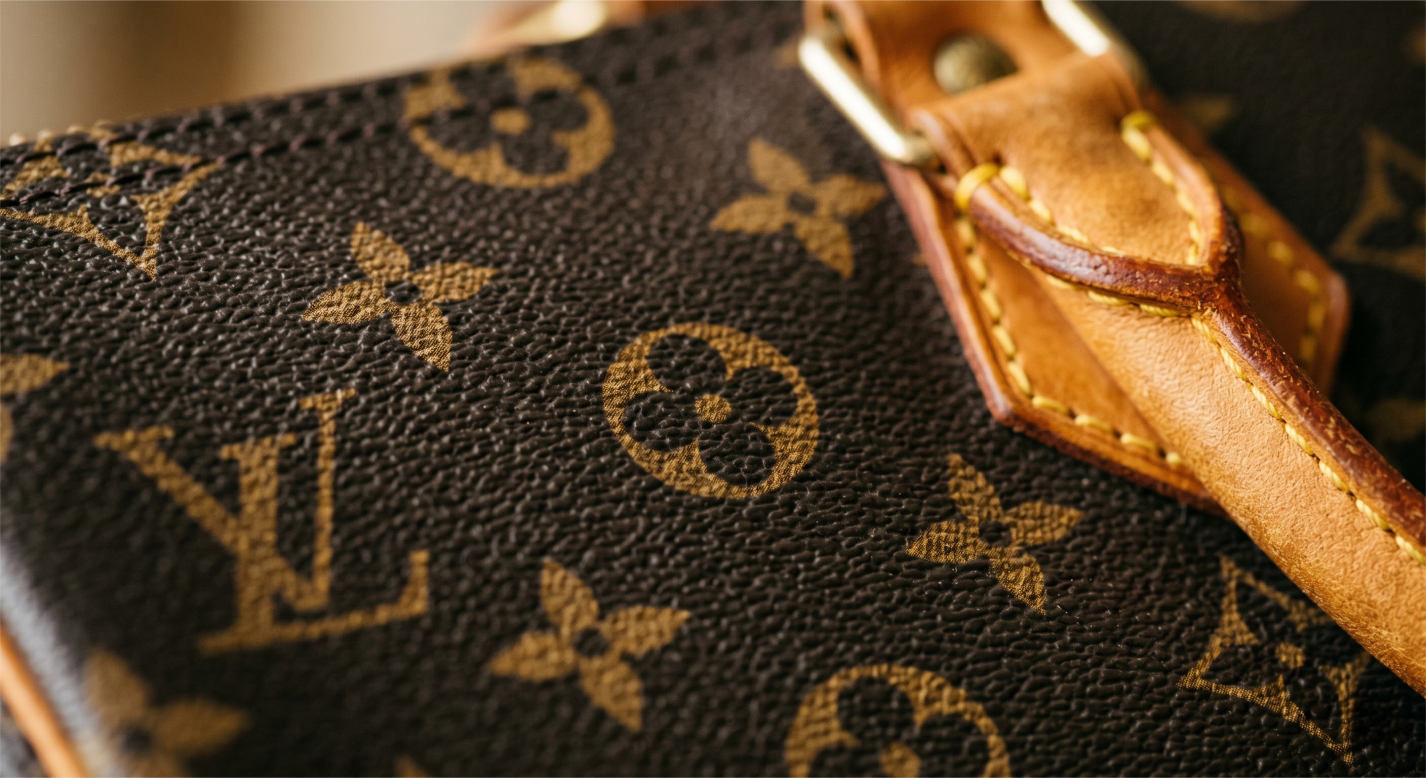
Louis Vuitton uses a much wider material library than “canvas versus leather” suggests. For everyday bags, the practical differences between Monogram, Damier, Epi, Empreinte, Vernis, Taurillon, Mahina and Taiga show up in weight, structure, water sensitivity, scratching and how the bag ages. This guide keeps the original visual examples but focuses more directly on those differences.
For those looking to understand the broader market, including how high-quality alternatives compare to the originals, check out our AAA Replica Bags Guide.
For authentication, I would not jump from material name straight to a microscopic “secret.” Start with the correct product reference and then compare surface, pattern scale, panel cutting, trim and wear. Micro-details can add information, but they are most useful when the whole bag already makes sense.
Table of Contents
The Legacy of Louis Vuitton: From Trunk-Maker to Global Icon
The story of Louis Vuitton begins with a 14-year-old boy who walked over 400 kilometers to Paris to find work. Starting as an apprentice in a woodworking shop, Louis soon became the personal trunk-maker for Empress Eugénie. In 1854, he founded his own workshop at Asnières, revolutionizing travel by creating flat-topped trunks that were stackable and durable, unlike the heavy, rounded trunks of the era (you can read more about this journey in Louis Vuitton’s official legendary history).
Louis Vuitton has repeatedly adapted its classic materials across travel, leather goods and seasonal collections. That matters because “Monogram,” for example, can refer to several constructions and treatments; authentication or care advice should match the exact material rather than assume one universal surface.
Decoding the Classics: LV Monogram vs Damier Canvas
When people think of Louis Vuitton, the first thing that comes to mind is their signature canvas. It is a common misconception that these are made of leather; in fact, they are crafted from a high-quality, durable treated canvas. For a deep dive into how these coated materials transformed luggage during the industrial revolution, refer to this detailed look at The birth of Monogram and Damier canvas.
The Iconic Monogram Canvas
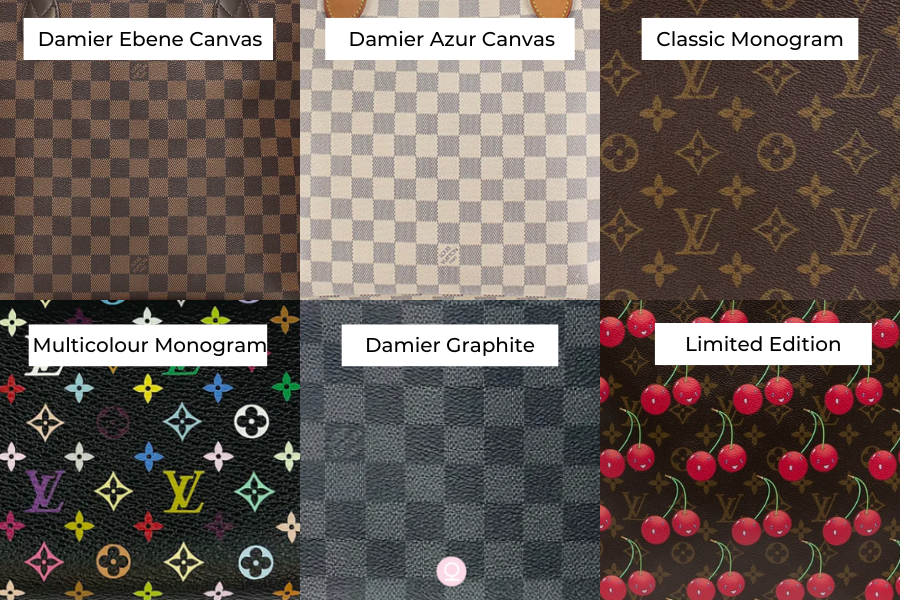
Introduced in 1896 by Louis’s son, Georges Vuitton, the Monogram pattern was designed to prevent counterfeiting. It has since become the most recognized print in fashion history. The pattern consists of several symbolic elements:
- LV Initials: Representing the founder and the “traveler”.
- Stars: Representing direction on a journey.
- Diamonds: Symbolizing the “harvest” or rewards of travel.
- Flowers: Representing the scenery encountered along the way.
The Monogram canvas is typically paired with Vachetta leather trim—a natural, vegetable-tanned cowhide that is untreated. One of the most beloved features of Vachetta is its ability to “age” alongside the owner. Over time, exposure to oils and sunlight causes the leather to oxidize, turning from a pale cream to a rich, honeyed caramel or deep brown.
The Understated Damier Canvas
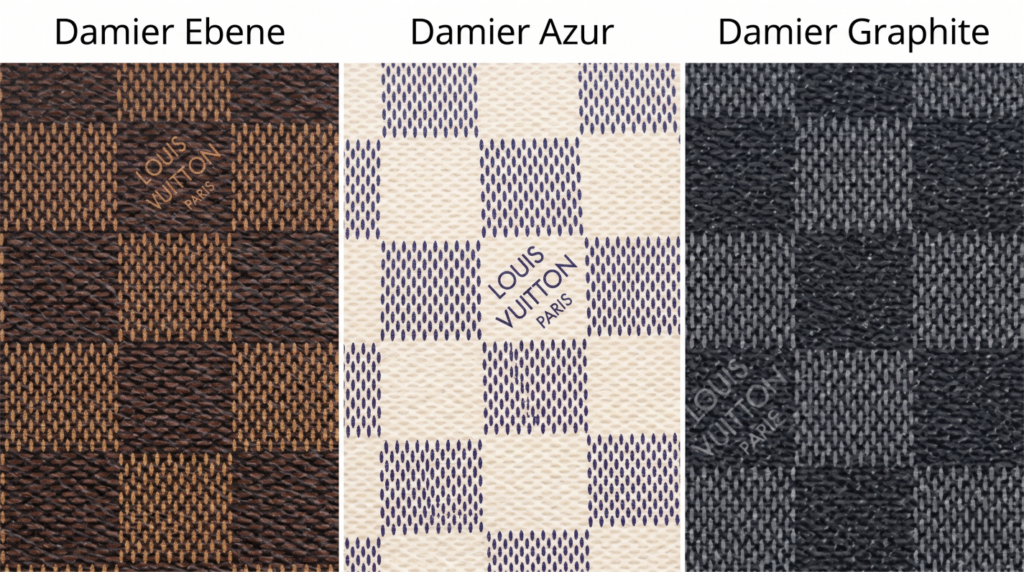
Interestingly, the Damier (French for “checkerboard”) pattern actually predates the Monogram. First launched in 1888, the brown Damier Ebene pattern won a gold medal at the Paris World’s Fair.
Damier is often considered the more “understated” choice. It is highly practical because its dark brown hues and geometric grid are excellent at hiding wear and tear. Unlike the Monogram, the Damier Ebene is typically paired with dark, treated leather trim, making it more resistant to water stains and darkening than the pale Vachetta leather found on Monogram bags.
LV Monogram vs Damier: Which Should You Choose?
The choice between LV Monogram vs Damier often comes down to personal style:
- Style: Monogram is bold, iconic, and immediately recognizable. Damier is subtle, professional, and geometric.
- Durability: While both canvases are incredibly tough, Damier Ebene is generally lower-maintenance because it lacks the delicate Vachetta leather trim that can stain or water-spot.
- Resale Value: Both hold their value exceptionally well, but the classic Monogram often sees slightly higher demand in the vintage market.
For more detailed reviews on how these materials hold up over time, visit our AAA Replica Reviews section.
The Ultimate Test: EPI Leather Durability Explained
If you prefer an all-leather bag that can withstand the rigors of daily use, look no further than EPI leather. Introduced in 1985, EPI was Louis Vuitton’s first permanent leather line.
What is EPI Leather?
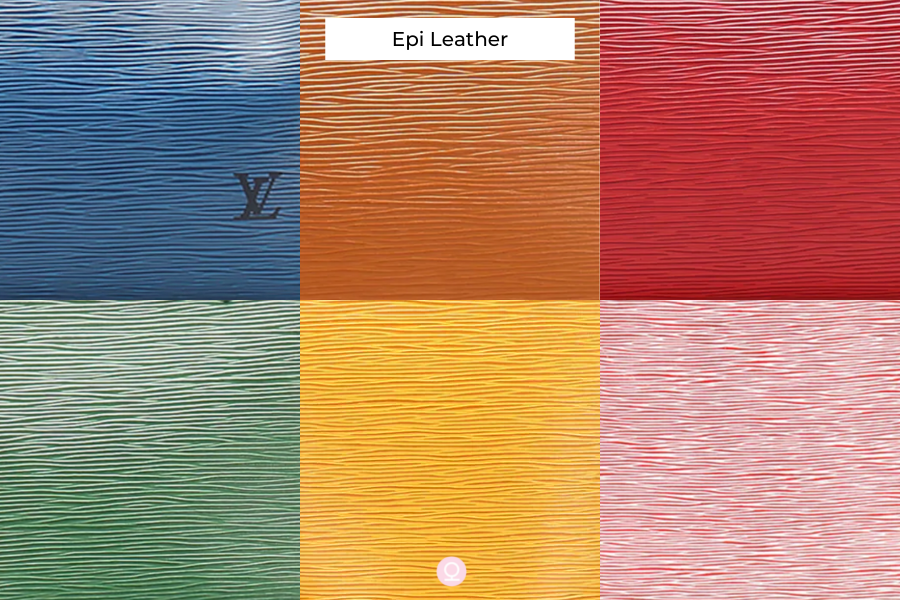
EPI leather is a dyed-through leather with a distinctive textured surface. The word “EPI” refers to an ear of wheat, and the horizontal grain of the leather is designed to mimic the look of a wheat field waving in the wind.
Why EPI Leather Durability is Unmatched
Epi is one of the more practical LV leather families because its pronounced directional texture tends to disguise light surface wear and helps structured bags hold their shape. I would describe it as durable rather than “unmatched,” because condition still depends on color, use, storage and the specific item.
- Scratch visibility: The pronounced textured grain can make light surface marks less obvious than on smooth calfskin, although deeper abrasion can still show.
- Moisture: Epi generally tolerates incidental moisture better than untreated Vachetta, but it is not waterproof; prolonged wetting and poor storage can still damage leather and edge finishes.
- Structure: Epi is comparatively firm, which helps bags such as the Alma retain a defined silhouette. Older or heavily used pieces can still soften, crease or deform.
- Longevity: Well-kept Epi can age very well, but corners, glazing, handles and high-friction areas should still be checked individually.
Whether you are navigating a rainy commute or a busy airport, EPI leather is perhaps the most practical of all Louis Vuitton materials.
Other Exceptional Louis Vuitton Materials You Should Know
Beyond the “Big Three,” Louis Vuitton has developed several other specialized materials that cater to different tastes.
Monogram Empreinte
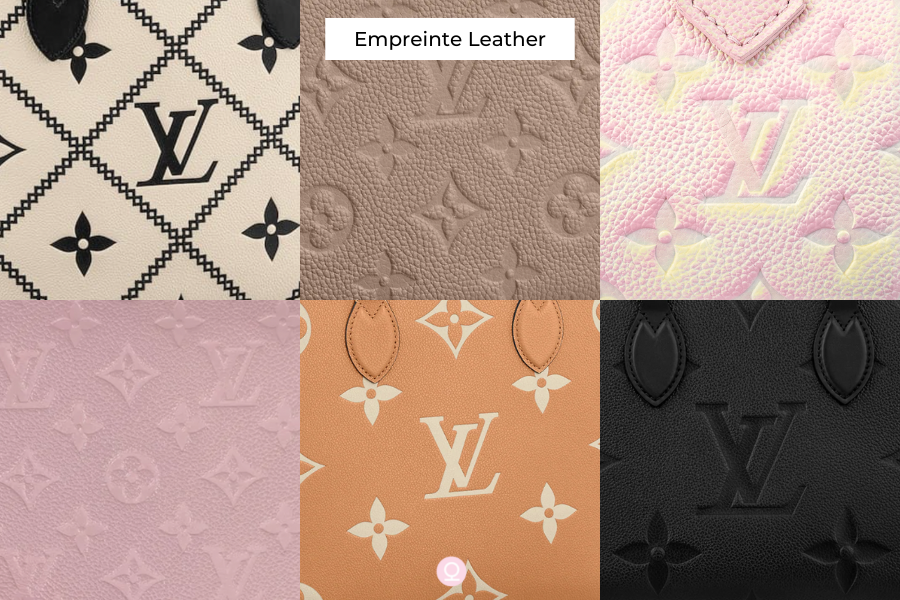
Launched in 2010, Empreinte is a soft, supple calf leather that features the Monogram pattern embossed directly into the skin. It is known for its luxurious feel and sophisticated look. While it is softer than EPI, it is still quite durable, though the embossing can slightly soften or “flatten” over many years of heavy use.
Monogram Vernis
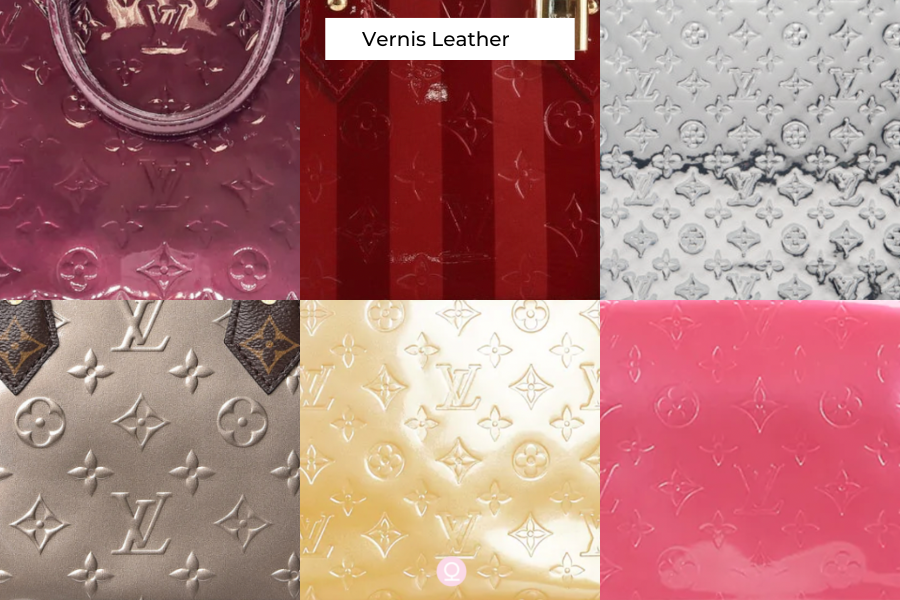
In 1998, under the direction of Marc Jacobs, LV introduced Vernis (French for “varnish”). This is a patent leather embossed with the Monogram pattern. It is incredibly shiny and modern, but it requires “tender loving care” as it is susceptible to color transfer (absorbing dyes from denim, for example) and surface scratches.
Taurillon Leather
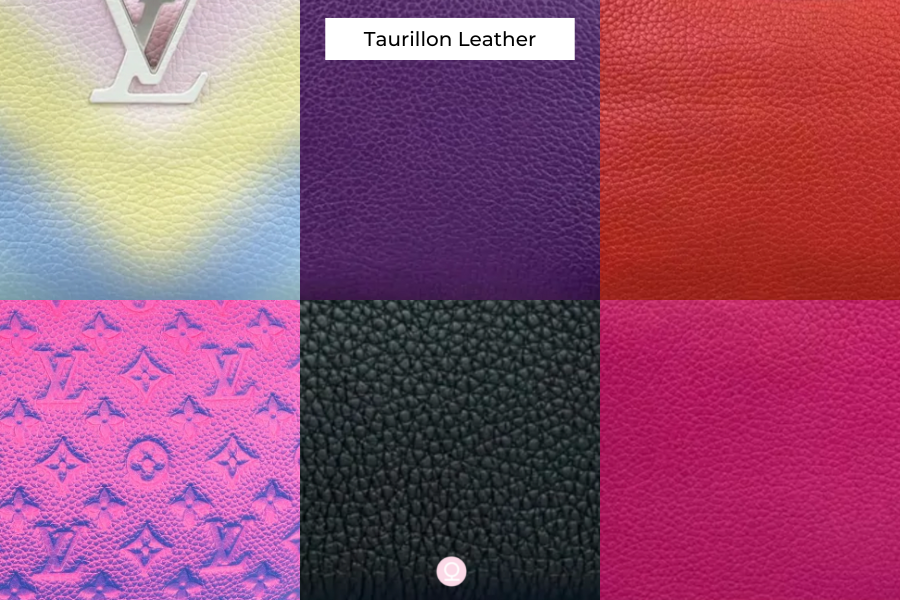
· History and Features: Cuir Taurillon (Bovine leather) is a full-grain leather that celebrates the natural beauty of the hide’s visible pores and grain. It features a sophisticated, slightly pebbled texture that is both tactile and visually rich. Often used in minimalist designs, it may be accented with gold-toned hardware or subtle Monogram Flower motifs.
· Durability: While Taurillon leather feels exceptionally soft and smooth to the touch, it is surprisingly sturdy and light. Its pronounced natural grain is excellent at camouflaging minor surface scratches and signs of aging, making it a perfect marriage of minimalist luxury and long-lasting durability.·
Mahina Leather
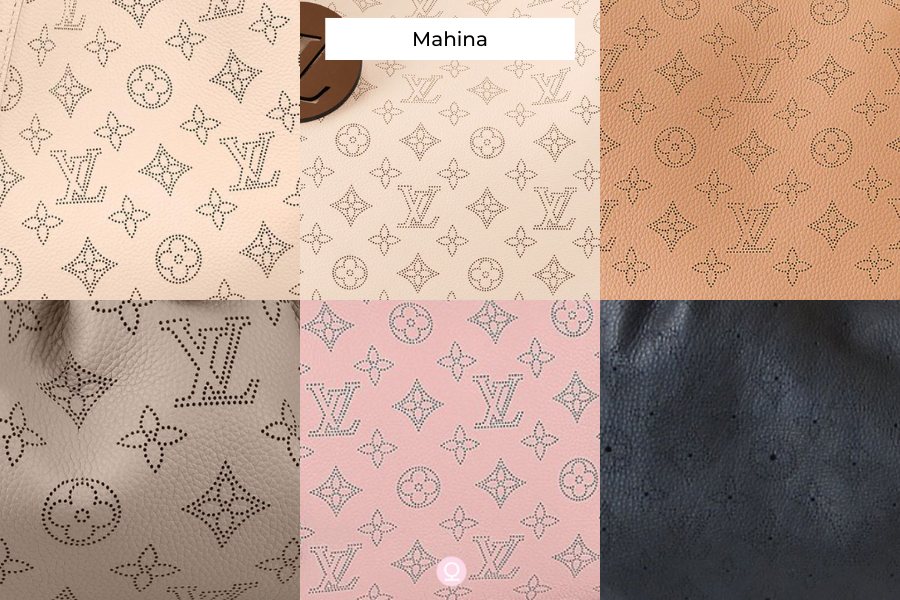
· History and Features: Mahina leather is one of Louis Vuitton’s most prestigious drummed calfskins. What sets it apart is the iconic Monogram pattern, which is created using a high-precision laser perforation technique rather than traditional printing or embossing. This delicate, “pointillist” approach offers a more understated and ethereal way to showcase the brand’s heritage.
· Durability: Known for being incredibly soft with a plush, drummed feel, Mahina leather is the epitome of luxury. Despite its extreme suppleness and beautiful drape, the thick calfskin base ensures excellent resilience and strength, allowing the bag to carry daily essentials while maintaining its elegant silhouette.
Taiga Leather
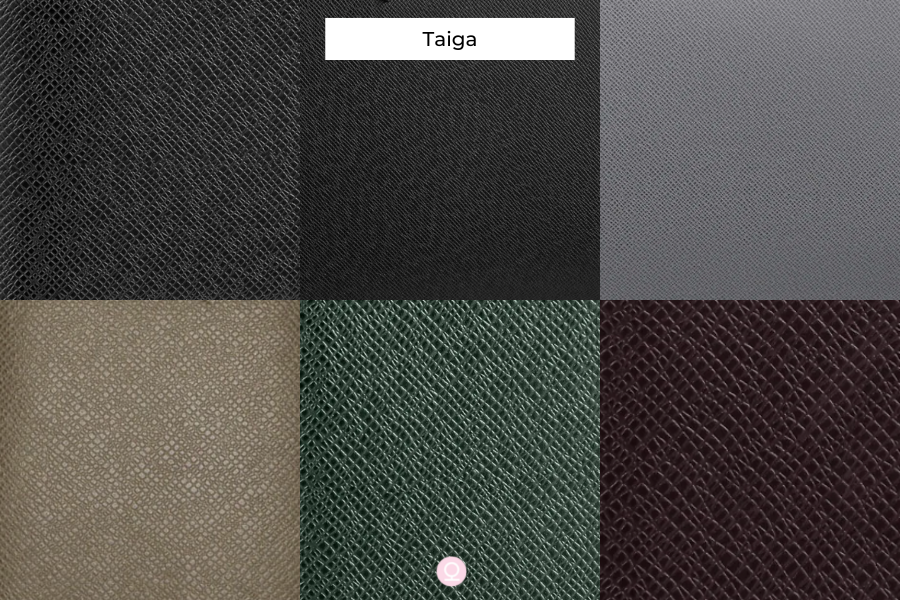
History and Features: Launched in 1993, Taiga leather was Louis Vuitton’s first collection specifically designed for men. Named after the vast coniferous forests of Russia, it is crafted from high-quality calfskin. The leather is sanded to remove natural imperfections and then embossed with a distinctive, fine cross-grain pattern. It offers a matte finish with a subtle sheen, providing a sharp, professional, and modern aesthetic.
Durability: Taiga leather is highly structured and firm, which helps prevent sagging and corner wear. It is remarkably lightweight yet resistant to scuffs and scratches, making it the ideal choice for business professionals and those who require a sophisticated bag for high-frequency daily use.
Monogram Denim
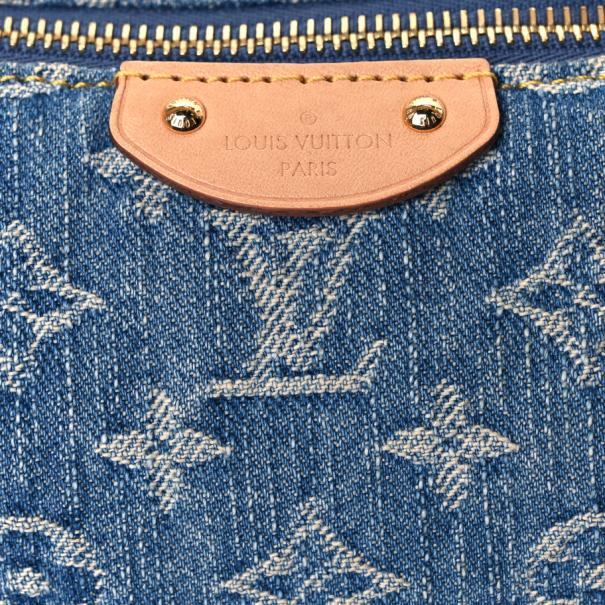
For a more casual, youthful look, LV offers Monogram Denim. This material uses a traditional Jacquard weaving technique to create the pattern. It has a vintage, “stonewashed” feel that has become a cult favorite among fashionistas.
Calfskin Leather
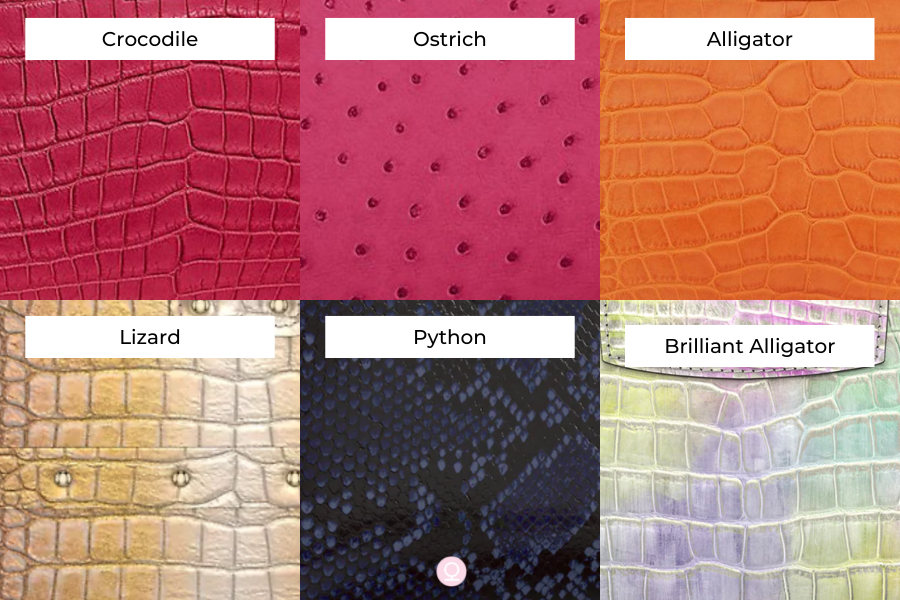
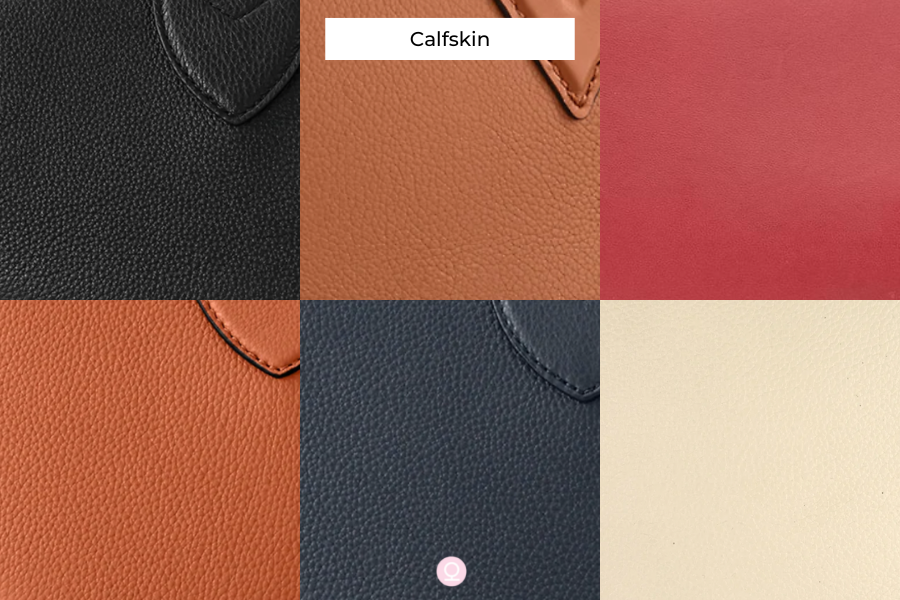
· History and Features: Calfskin is one of the most core and widely used genuine leather materials in the Louis Vuitton library. It is renowned for its fine texture, natural grain, and elasticity. Calfskin plays a crucial role in many of Louis Vuitton’s high-end collections. For instance, the Monogram Empreinte collection features the iconic Monogram pattern embossed onto the softest calfskin, creating a sophisticated relief effect. Additionally, collections like Monogram Denim frequently utilize natural-grain calfskin for piping and trims.
·Durability: Specially processed calfskin (such as the Empreinte embossed leather) not only feels rich and supple but also ranks exceptionally high in durability among the brand’s materials, second only to EPI leather. It offers excellent structural integrity, and newer versions of this calfskin material have been engineered to be lighter while maintaining their strength. As a premium top-grain material, it develops a beautiful natural leather aesthetic over time, making it an ideal choice that balances luxurious appeal with long-lasting practicality.
Exotic Skins: Python and Crocodile
For the ultimate luxury, LV utilizes exotic skins like Python and Crocodile. These materials are incredibly rare and require specialized care. Crocodile belly is the most prized portion, and the natural luster of the scales actually improves with use, becoming more beautiful over time. Python scales are delicate and can lift if exposed to too much humidity, so they must be stored in a dry environment.
Expert Tips: How to Authenticate Louis Vuitton Materials
Because of their popularity, Louis Vuitton bags are among the most counterfeited items in the world. Knowing how to spot a fake is a vital skill for any enthusiast. For a deep dive into this topic, read our guide on how to spot fake bags.
Here are some material-specific authentication tips based on expert standards:
1. The Monogram Pattern Alignment
- Pattern layout: Many LV bags show deliberate Monogram placement, but exact symmetry depends on the model, panel shape and construction. Compare against the same reference rather than applying a universal center-line rule.
- Flower geometry: The flower centers and petal proportions in the authentic references are useful comparison points. I prefer side-by-side reference matching over reducing them to one “perfect circle vs hexagon” test.
- Micro print structure: Under magnification, the Monogram reference set shows directional dot/line structure and slightly stepped print edges. Those details are worth examining, but they support—not replace—the model-level comparison.
2. The Damier Grid
- The “Paris” printing: Typography on Damier should be read with production-era context. Older and newer examples can differ, so features such as the “S” tail should be compared against an appropriate reference rather than used as a universal cutoff.
- Texture: The lines within the grid should not be perfectly smooth or flat; they should have a slight, consistent texture.
3. The Heat Stamp and Fonts
Louis Vuitton uses a very specific font for their internal heat stamps. Look for these “red flags”:
- The “O”: Many reference stamps use a relatively round “O.” Compare overall typography, spacing and impression quality rather than judging one letter in isolation.
- The “L”: A short horizontal foot is common in many LV stamp references, but era and product family still matter.
- The “N”: Look at the sharpness and proportions of the diagonal together with the surrounding letters; avoid memorized millimeter-style rules without an exact reference.
- The “A”: A relatively low crossbar appears on many references, but typography should be checked as a complete wordmark and against the correct period.
4. Hardware and Zippers
- Zipper supplier: Louis Vuitton has used different zipper and hardware suppliers over time. A supplier name can support an era/model comparison, but it is not a universal authenticity requirement.
- Hardware feel and wear: Compare weight, plating, edge finishing, movement and wear pattern with the correct reference. “Heavy” alone is not proof, and authentic plated hardware can scratch or tarnish.
- Engravings: Look for clean geometry, consistent depth and finishing appropriate to the hardware type. A copied crisp engraving is still only one part of the assessment.
Conclusion: Investing in Timeless Quality
Choosing between the bold Monogram, the subtle Damier, or the incredibly durable EPI leather is a matter of personal lifestyle. Furthermore, as the brand continues to evolve, they are increasingly committing to responsible material sourcing and sustainable tanning policies.
Whichever Louis Vuitton material you prefer, the useful choice comes down to how it fits your routine. Monogram with Vachetta asks for different care from Damier Ebene; Vernis behaves differently from Epi; soft drummed leathers trade some structure for hand feel and drape. Those practical differences are more useful than ranking every material on one luxury scale.
FAQs about Louis Vuitton Materials
Is Louis Vuitton canvas made of leather?
No, the classic Monogram and Damier canvases are made of a specially treated cotton canvas that is then coated for durability and waterproofing. However, the bags are almost always trimmed with genuine leather (like Vachetta or treated calfskin).
How do I stop my Vachetta leather from getting water spots?
Vachetta is highly sensitive to water. To prevent spots, you can use a specialized leather protector spray, but the best method is to avoid using the bag in heavy rain. If it does get wet, blot it gently with a dry, soft cloth immediately.
Which Louis Vuitton material is the most durable for daily use?
EPI leather durability makes it the top choice for an everyday “workhorse” bag. It is highly resistant to scratches and water. If you prefer canvas, Damier Ebene is more durable than Monogram because its dark leather trim does not show stains or wear as easily.
Why is my Monogram Vernis bag changing color?
Vernis is prone to “color transfer”. Because the patent coating is somewhat porous, it can absorb dyes from other items, like dark denim or colored tissue paper. Always store your Vernis bags in their dust bags and away from colored materials.
How can I tell if my LV bag was made in France?
Louis Vuitton produces bags in France, Spain, Italy, the US, Switzerland, and Germany. You can check the “Date Code” (usually a two-letter prefix followed by four digits) inside the bag. For example, codes like AA, AR, and SP often indicate “Made in France,” while CA and LM often indicate “Made in Spain”.

24 comments
I’ve always been torn between Monogram and Damier Ebene. This article really helped! I think I’ll go with Damier for my first Neverfull since I’m terrified of ruining the light leather on the Monogram.
That’s a great choice for your first bag! Damier Ebene is incredibly low-maintenance and perfect for everyday use because you don’t have to worry about water spots on the dark trim. Let us know when you get it!
I’ve always been torn between Monogram and Damier Ebene. This article really helped! I think I’ll go with Damier for my first Neverfull since I’m terrified of ruining the light leather on the Monogram.
Thanks, Amanda. I’m trying to keep the guides evidence-led: observations from a sample are separated from background/reference information, and no single detail is treated as universal. That makes the conclusions narrower, but more useful when someone is comparing a specific bag.
EPI leather is seriously bulletproof. I have an Alma in black EPI from 2015, and it literally still looks brand new. Great guide!
Thank you! It’s amazing how well EPI holds its shape and resists scratches over the years. The black Alma is such a timeless and practical classic.
EPI leather is seriously bulletproof. I have an Alma in black EPI from 2015, and it literally still looks brand new. Great guide!
I appreciate the note, Ananya. I’m trying to keep the guides evidence-led: observations from a sample are separated from background/reference information, and no single detail is treated as universal. That makes the conclusions narrower, but more useful when someone is comparing a specific bag.
Does anyone have tips on removing a water spot from Vachetta leather? I got caught in the rain with my Speedy 30 yesterday and I’m freaking out. 🙁
Oh no! Try gently massaging the spot with a clean, dry microfiber cloth. Don’t use any harsh chemicals. As the leather naturally patinas and darkens over time, water spots often blend in and become much less noticeable.
Does anyone have tips on removing a water spot from Vachetta leather? I got caught in the rain with my Speedy 30 yesterday and I’m freaking out. 🙁
That distinction matters, BagLover88. Untreated vachetta normally changes with light, skin oils and use, but the rate and final tone vary widely. For a replica or second-hand bag, I wouldn’t assume the trim is equivalent to authentic vachetta just because it darkens; porosity, edge treatment and the way it ages are more informative together.
The authentication section is super helpful. I had no idea about the ‘O’ in the Paris stamp needing to be a perfect circle. I just checked my wallet and it matches!
Glad you found it useful! It’s the little details like the font shape, stitching, and hardware engravings that usually give away a fake. Always refer to our authentication guides before buying pre-loved!
The authentication section is super helpful. I had no idea about the ‘O’ in the Paris stamp needing to be a perfect circle. I just checked my wallet and it matches!
Thanks for reading, ChicMomma. I’m trying to keep the guides evidence-led: observations from a sample are separated from background/reference information, and no single detail is treated as universal. That makes the conclusions narrower, but more useful when someone is comparing a specific bag.
Mahina leather is my absolute favorite from LV. It’s so soft and luxurious, but surprisingly holds up really well to my heavy daily packing.
Mahina is definitely the epitome of “quiet luxury”! The laser-perforated details are just stunning, and it’s great to hear that it’s holding up well as your daily driver.
Mahina leather is my absolute favorite from LV. It’s so soft and luxurious, but surprisingly holds up really well to my heavy daily packing.
Thanks, Bella_Trends. I’m trying to keep the guides evidence-led: observations from a sample are separated from background/reference information, and no single detail is treated as universal. That makes the conclusions narrower, but more useful when someone is comparing a specific bag.
As a guy looking for a good work briefcase, the Taiga leather section sold me. I want something professional that doesn’t scream “designer” right away but will last forever.
Taiga leather is perfect for exactly that. It’s incredibly sophisticated, and the scratch-resistant cross-grain makes it ideal for daily commutes and business meetings.
As a guy looking for a good work briefcase, the Taiga leather section sold me. I want something professional that doesn’t scream “designer” right away but will last forever.
I appreciate the note, BagsAddict26. I’m trying to keep the guides evidence-led: observations from a sample are separated from background/reference information, and no single detail is treated as universal. That makes the conclusions narrower, but more useful when someone is comparing a specific bag.
Editor’s question: for LV materials, what would you most like to see measured or photographed side by side—canvas surface, print scale, edge wear, Epi texture, or how the material bends under light pressure? I’ll prioritize evidence that can be repeated across multiple samples.