Whether you’re shopping for your first luxury leather bag or browsing through a trendy vintage market, one question is bound to come up: Is it real or fake leather? In today’s fashion world, real vs fake leather is no longer just about price—it’s about quality, sustainability, and style.
For many young women, a good leather bag represents more than just a fashion accessory. It’s a symbol of taste, craftsmanship, and self-expression. But with the rise of synthetic leather, PU leather, and other convincing imitations, it’s easy to get tricked—especially when shopping online or through less trusted sellers.
Understanding the difference between genuine leather and fake alternatives can help you make smarter fashion choices. It can save you from overpaying, ensure your items last longer, and help you identify which materials suit your lifestyle best.
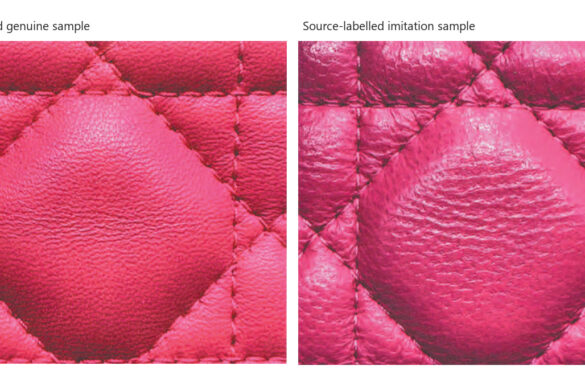
This guide compares grain, surface behaviour, construction and material descriptions so you can make a more informed choice between leather and synthetic alternatives. Use the non-destructive checks below on a finished bag, and read its coating and backing as well as the face material.
Table of Contents
What Is Real Leather? Hide Anatomy and Quality Grades
Before distinguishing real vs fake leather, it is essential to understand what genuine animal hide actually consists of. In luxury handbag craftsmanship, genuine leather covers a technical spectrum defined by hide anatomy—from uncorrected full-grain hides preserving natural collagen density to corrected grains and fibrous split leathers.
Hide Layers: Full-Grain, Top-Grain, Split and Bonded
How a hide is split and finished directly determines its structural breathability, tensile strength, and aging potential over years of use:
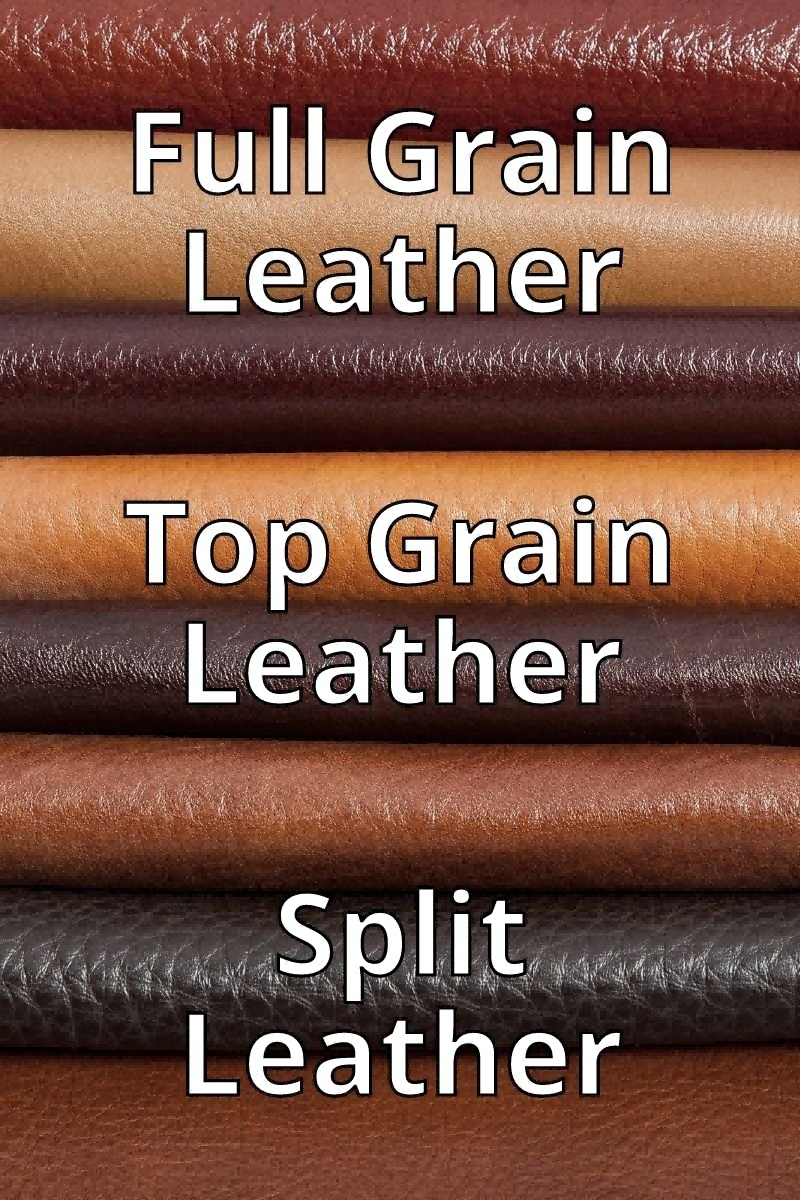
- Full-Grain Leather: The outermost, premium tier of the hide. The grain surface remains completely unbuffed and unsanded, keeping the dense natural collagen fiber matrix intact. It reveals organic pore patterns, natural neck wrinkles, and exceptional tear resistance while developing a lustrous natural patina over time.
- Top-Grain & Corrected-Grain Leather: Derived from the upper portion of the hide. When the very surface is lightly buffed to minimize minor natural scarring, it is categorized as corrected grain. It is frequently paired with protective pigment coatings or specialized surface-embossed textures—such as Chanel Caviar (embossed pebble calfskin) or Prada Saffiano (cross-hatch heat-stamped calfskin sealed with wax/resin)—offering uniform color retention and enhanced scratch resistance.
- Split Leather vs. Suede: Split leather is the fibrous lower layer remaining after the top grain is split away. It lacks the dense outer pore barrier. When split leather is mechanically brushed, it yields a velvety suede nap; however, true luxury suede can also be created on the flesh side of full-grain skins. When split leather is coated with heavy polyurethane films to mimic smooth grain, it loses flex memory and breathability.
- Bonded Leather: A manufactured composite made of shredded leather dust and scraps bound together with polyurethane or latex resins on a fabric backing. Lacking an interlocking natural collagen matrix, bonded leather degrades under repeated flexing and humidity, frequently flaking and separating.
Most Common Leathers in Luxury Bags: Traits, Pros & Cons
Not all leathers are created equal—especially when it comes to fashion handbags. Each type of real leather has its own characteristics that make it more (or less) suitable for certain bag designs, functions, and price ranges.
Let’s explore how different types of leather are commonly used in designer and casual leather bags:
Pig Leather in Bags
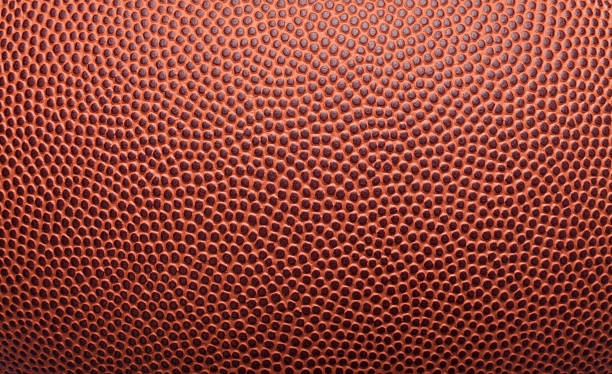
Pigskin is often overlooked, but it’s more common than you might think—especially in bag linings, vintage luggage, and casual fashion bags. Genuine swine hide naturally exhibits pores arranged in groups of three forming subtle triangle patterns. While this follicle arrangement serves as a helpful observational clue, modern synthetic embossing plates can mimic this pattern, so it should always be verified alongside flexibility and raw-edge fibrous backing.
Pros:
- Breathable and lightweight
- Affordable alternative to cowhide
- Can be embossed with patterns like litchi grain or striped textures
Cons:
- Not as durable as cowhide or goatskin
- Less luxurious appearance
- Triangle-shaped pores may not appeal to all tastes
Best For: Casual backpacks, inner linings, low-cost leather bags
Sheepskin in Bags
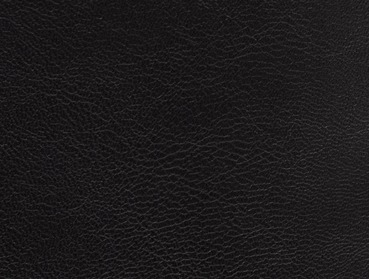
If you’re shopping for something soft, stylish, and chic, sheepskin (especially lambskin) is a top-tier choice in luxury handbags. Its tiny, irregularly grouped pores produce a silky, buttery hand-feel that defines iconic bags like the Chanel Classic Flap.
Pros:
- Extremely soft and lightweight
- Smooth surface, delicate feel
- Ideal for intricate designs and close-body carry
Cons:
- Less resistant to scratches and wear
- Requires careful maintenance
- Can lose shape over time
Popular Treatments:
- Embossed sheepskin: adds pattern while keeping softness
- Washed lambskin: trendy and vintage-look compatible
Best For: Evening clutches, luxury shoulder bags, trendy crossbody purses
Goatskin (Chèvre) in Bags
Known in French luxury atelier tradition as Chèvre, goatskin occupies a revered position in heritage leather goods. It provides a unique balance of featherlight weight and surprising tensile toughness.
- Fine, Pronounced Pebble Grain: Goatskin displays a distinctive ridges-and-valleys grain pattern that catches ambient light with a refined sheen.
- Exceptional Scratch Resistance: Denser surface fibers make goatskin significantly more resilient against corner abrasions and fingernail scratches than delicate lambskin.
- Iconic Applications: Celebrated in Hermès Birkins and Kellys crafted in Chèvre Mysore, Chanel small leather goods, and vintage Balenciaga Arena city bags.
Cowhide in Bags
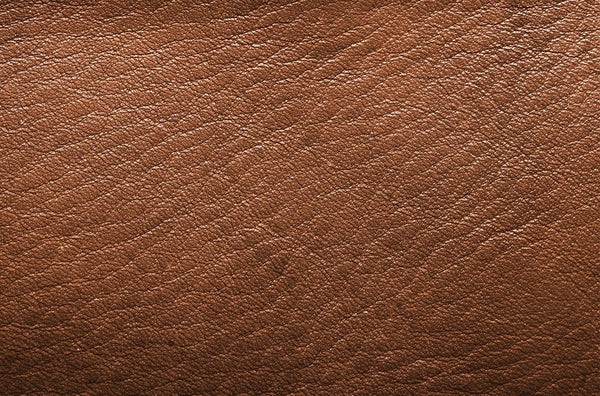
When durability and structure matter, cowhide is the go-to material. It’s the backbone of classic luxury tote and travel bags, offering high tensile strength, firm body retention, and a fine, natural pebble texture.
Pros:
- Strong, firm, and durable
- Holds its shape well
- Rich texture and aging potential
Cons:
- Heavier than lambskin
- Slightly less soft
- Fewer variations in finish compared to sheepskin or pigskin
Popular Finishes:
- Natural grain (shows original texture)
- Polished cowhide (sleek and formal)
- Second-layer imitation grain (less expensive alternative)
Best For: Structured totes, business bags, long-lasting backpacks
Fur and Shearling Details in Bags
For those who love bold style, fur-leather hybrids bring seasonal texture and glam. Many luxury winter collections use these materials for trims or accents.
- Fox Fur (Silver, Blue, Red): Soft and fluffy; adds a dramatic touch
- Rabbit Fur (Rex or Yellow): Lightweight and warm, though less durable
- Mink Fur: Ultra-luxury option with exceptional shine and softness
- Best For: Winter bags, statement purses, or fur-trimmed handles
Summary Table: Leather Types for Bags
| Leather Type | Texture | Durability | Weight | Style Suitability |
| Pigskin | Grainy | ★★☆☆☆ | Light | Budget & casual |
| Lambskin | Silky smooth | ★★★☆☆ | Ultra-light | Luxury, delicate use |
| Goatskin | Firm grain | ★★★★☆ | Medium | Everyday fashion |
| Cowhide | Dense & firm | ★★★★★ | Heavy | Classic, structured |
| Fur & Shearling Trims | Plush / fluffy | ★★★☆☆ | Light | Seasonal, decorative trims |
When shopping for a genuine leather bag, understanding which type of leather was used gives you a major advantage—not only for style, but also for evaluating long-term durability and proper maintenance.
Common Techniques to Identify Real Leather
You don’t need to be a leather expert to tell real vs fake leather apart. With just your hands, eyes, and nose, you can become a smart shopper in minutes. These quick leather authentication tips are especially useful when buying bags in stores, markets, or even online.
Here are the three most effective ways to identify genuine leather from synthetic imitations:
1. Touch Test: Feel the Surface
Real leather has a distinct texture. It feels soft, slightly grainy, and sometimes even warm to the touch. When you press down gently, it will show wrinkles or small creases, just like human skin.
Real Leather Feels:
- Soft and flexible
- Slightly elastic with natural bounce-back
- Full and luxurious
- Some leathers may feel buttery smooth (like lambskin), others firmer (like cowhide)
Fake Leather Feels:
- Too smooth, almost plastic-like
- Rigid and cold to the touch
- Doesn’t wrinkle or react naturally to pressure
Pro Tip: Rub your fingers across the grain—real leather has slight irregularities, while synthetic leather is often too uniform.
2. Visual Check: Look Closely at the Grain
Real leather has visible pores, subtle variations, and sometimes small scars or wrinkles. These are signs of a natural product and add to its uniqueness.
Real Leather Looks:
- Visible pores (especially on pigskin or cowhide)
- Irregular patterns in grain
- Natural imperfections
- No woven textile backing
Fake Leather Looks:
- Extremely consistent surface (too perfect)
- Pores look stamped or too shallow
- Often backed with fabric or mesh for strength (flip it over to check!)
Quick Tip: If you see triangle-shaped pores in groups of three, you’re likely looking at real pigskin.
3. Smell Test: Follow Your Nose
Scent can be one observation, but an earthy smell does not establish animal leather, species or authenticity. Treat it alongside the material label, construction and source records.
Real Leather Smells:
- Earthy and organic
- Sometimes slightly sweet or smoky
Fake Leather Smells:
- Sharp chemical or plastic odor
- Some even smell like glue or synthetic paint
Burn testing: Do not burn a bag or its trim to identify the material. This guide does not provide a reliable binary burn test for finished, coated or composite materials.
- Animal leather: A reported burning-hair smell or ash result alone does not establish the composition of a finished material.
- Synthetic or composite materials: A melting response alone is insufficient to identify every layer, coating or backing. Request a material specification instead of using a destructive check.
⚠️ What to Avoid When Testing
- Don’t rely on color or polish—many synthetic leathers mimic the appearance of real leather using coatings.
- Be cautious of seller claims like “genuine PU leather”—that’s a contradiction; PU is synthetic.
Armed with these simple real leather identification techniques, you’ll be able to assess your bags and accessories with confidence. Whether you’re shopping online or in a boutique, knowing how to spot fake leather will save you money—and disappointment.
Real vs. Fake: A Side-by-Side Comparison
Still not sure whether your leather bag is the real deal? Here’s a quick reference chart to help you compare real vs fake leather at a glance. Save it, screenshot it, or share it with your shopping squad!
Comparison Chart: Genuine Leather vs Synthetic Leather
| Feature | Real Leather | Fake Leather (PU / PVC) |
| Texture | Naturally uneven, soft, sometimes slightly bumpy | Very smooth, uniform, sometimes plastic-like |
| Smell | Earthy, woody, or smoky (leather-like smell) | Chemical, synthetic, or plastic smell |
| Pores | Visible, irregular, varies by animal type | Usually fake or embossed, too uniform |
| Elasticity | Flexible, may wrinkle under pressure | Rigid or stiff, doesn’t crease like real leather |
| Back Surface | Rough suede or natural fiber texture | Often fabric-backed or plasticky |
| Durability | Ages gracefully, forms patina, lasts many years | Cracks or peels over time, short lifespan |
| Moisture & Finish Reaction | Varies by finish: uncoated full-grain slowly absorbs moisture, while protected grains (Saffiano, Caviar) repel water beads. Natural warmth to the touch. | Synthetic polyurethane repels water but feels cold or rubbery; porous microfibers may absorb moisture without natural hand-warmth. |
| Burn Test | Not recommended for bag or trim; a burn result alone does not establish finished-material composition | Not recommended for bag or trim; coatings and backing require their own material identification |
| Price | Generally more expensive due to natural origin | Usually cheaper, mass-produced |
| Environmental Impact | Biodegradable, but tanning may cause pollution | Non-biodegradable, made from petroleum |
Quick Summary
- A chemical scent needs context about the material, finish and adhesive; it is not a standalone counterfeit verdict.
- A uniform surface can be a comparison point; it does not alone prove synthetic material or brand identity.
- A cold or plasticky feel is a comparison point, not proof that the material is synthetic or the bag is counterfeit.
True fashion confidence starts with knowing what you’re buying. So next time you’re holding a stylish tote or crossbody, use this chart to decode the truth behind the leather.
Which Leather Is Best for Bags?
Now that you can spot real vs fake leather, let’s go one step further—which type of real leather is best for your handbag?
The answer depends on what matters most to you: durability, softness, appearance, or ease of care. Each leather type has its pros and cons depending on the situation, so let’s match leather to lifestyle.
For Daily Use: Go for Cowhide
If you’re looking for a leather bag that lasts through commutes, errands, or even light travel, cowhide is your best friend.
- Why it’s great: Strong, thick, scratch-resistant
- Best bag types: Totes, structured handbags, backpacks
- Look & feel: Polished, firm, with natural grain
Cowhide ages beautifully and can last for years—a long-term investment.
✨ For Style and Softness: Choose Lambskin
When softness and elegance matter most (think date nights or fashion-forward looks), lambskin or sheepskin delivers.
- Why it’s great: Buttery-soft texture, lightweight
- Best bag types: Mini crossbody bags, evening clutches
- Look & feel: Silky smooth with a refined, luxury vibe
⚠️ Note: Lambskin scratches more easily, so it’s best for occasional use—not your everyday workhorse.
For Trendy, Budget Looks: Pigskin
If you’re budget-conscious but still want the feel of real leather, pig leather is a solid option.
- Why it’s great: Lightweight, breathable, more affordable
- Best bag types: Street-style backpacks, mid-tier brands
- Look & feel: Often embossed or distressed for cool effects
Pigskin offers a great balance between cost and authenticity—perfect for experimenting with styles.
❄️ For Statement Looks: Add Fur Accents
If you love a bold seasonal piece, fur-trimmed leather bags are a winter favorite. Just be mindful of care and ethical sourcing.
- Best options: Mink or fox fur on handles or flap closures
- Adds a pop of texture and warmth to your winter wardrobe
Final Take
| Need | Best Leather |
| Long-term use | Cowhide |
| Lightweight feel | Lambskin |
| Budget option | Pigskin |
| Statement & luxury | Fur leather accents |
No matter your choice, always check for authenticity signs. Real leather can upgrade your entire wardrobe—but only if you pick the right type for your lifestyle, wardrobe rotation, and daily carrying needs.
Final Tips for Young Shoppers
Shopping for real leather bags can feel overwhelming—especially with so many fake options that look nearly identical. But with a few smart strategies, you can avoid scams and shop with confidence.
Here are 5 final tips to help you become a leather-savvy shopper:
✅ 1. Trust Your Senses
Look at texture, finish and any accessible backing, and record the scent and feel. None of those observations alone proves animal leather or brand authenticity. Use the material specification and source records to resolve what the surface cannot show.
✅ 2. Don’t Be Fooled by Labels
Terms such as “PU leather,” “vegan leather” and “genuine leather” need a material explanation. “Genuine leather” does not, by itself, define one quality grade; ask what the material and finish actually are.
Pro Tip: Always ask about the exact type—cowhide, lambskin, pigskin, etc.
✅ 3. Check the Back or Inside of the Material
Whenever possible, look at the underside of the leather. Real leather has a fibrous or suede-like texture, while synthetic materials are usually backed with fabric or plastic mesh.
✅ 4. Know Your Source
Buy from trusted brands or certified resellers. Be cautious of “too-good-to-be-true” prices, especially online. Read reviews, request close-up photos, and check return policies before buying.
✅ 5. Match Leather to Your Lifestyle
- Busy student or commuter? Go with cowhide.
- Weekend brunches or dates? Try soft lambskin.
- On a budget but want real leather? Pigskin’s your pick.
Confidence Is the New Luxury
In a world where fast fashion and faux finishes dominate, knowing how to identify real leather sets you apart. It’s not just about the bag—it’s about being a smart, empowered buyer who values quality, longevity, and authenticity.
Texture, scent and visible grain give you questions to check. A material description and reliable supporting records matter more than a confident guess from one sensory clue.
How can I tell if my leather bag is real or fake?
Compare texture, finish, accessible backing and the stated material. Smell, softness, shine or visible pores alone cannot prove animal leather or authenticate a brand. If the description is unclear, request a material specification and supporting records.
What is the best leather for handbags?
It depends on your needs:
Cowhide for durability and daily use
Lambskin for softness and luxury looks
Pigskin for affordability and casual styles
Is PU leather considered real leather?
No. PU leather (polyurethane leather) is a synthetic material made from plastic. It may look like leather, but it lacks the durability, breathability, and aging quality of real leather.
Can real leather burn like plastic?
Do not use a burn test on a bag or its trim. Finished materials may include coatings, backing or composite layers, and a burn result alone does not identify them reliably. Request a material specification or an appropriate professional assessment.
Why is genuine leather more expensive?
Because it comes from animal hide and involves natural tanning processes. Real leather lasts longer, feels better, and develops a patina over time—making it a long-term investment.
Are fur-trimmed leather bags made with real fur?
Luxury brands may use real fur like fox, mink, or rabbit, especially in seasonal collections. Check the product label or ask the seller to confirm the material.
Want a printable checklist to verify your next leather bag?
Use the checks in this guide as a reference; a downloadable Leather Spotting Cheat Sheet is not currently linked here.