
Home Luxury Fashion & Bag Trends: Seasonal Style Insights Chanel Brand History & Classic Elements: The Ultimate Guide to Iconic Chanel Designs

Chanel Brand History & Classic Elements: The Ultimate Guide to Iconic Chanel Designs

by Chloe
Chanel Brand History & Classic Elements: The Ultimate Guide to Iconic Chanel Designs When we think of unparalleled luxury, timeless elegance, and revolutionary fashion, one name instantly comes to mind: Chanel. For over a century, the House of Chanel has dictated the rules of high fashion, transforming women's wardrobes and establishing a standard of chic that remains untouched. But what exactly makes this brand so enduring? The answer lies in the profound Chanel brand history and the meticulous preservation of Chanel classic elements. From the visionary mind of Gabrielle "Coco" Chanel to the modern genius of Karl Lagerfeld and Virginie Viard, the brand has consistently delivered pieces that are more than just clothing or accessories; they are cultural artifacts. In this comprehensive guide, we will dive deep into the fascinating origins of the house, unravel the mysteries behind its most famous motifs, and explore the iconic Chanel designs that have forever changed the landscape of fashion. Whether you are a seasoned collector looking for pieces on Reina Luxe - Authentic Luxury or a fashion enthusiast wanting to understand the lore, this article is your ultimate resource. The Fascinating Chanel Brand History: From Gabrielle to Global Icon To truly appreciate the garments and accessories that bear the famous label, one must first understand the Chanel brand history. The story of Chanel is inextricably linked to the life, struggles, and triumphs of its founder, Gabrielle Chanel. The Early Years and the First Boutique Gabrielle Chanel’s beginnings were far from glamorous. Raised in an orphanage at the Aubazine abbey after her mother's death, she was surrounded by austere nuns and stark architecture. However, this environment profoundly shaped her aesthetic, instilling in her a love for neutral colors, particularly black and white, and clean, unadorned lines. In 1910, financed by her lover, the wealthy English polo player Arthur "Boy" Capel, Chanel opened her first independent shop, Chanel Modes, at 21 Rue Cambon in Paris. She began by selling hats. Her minimalist, elegant millinery stood in stark contrast to the heavily plumed and overly decorated hats popular at the time. Prominent French actresses began wearing her creations, and word of her exceptional taste quickly spread. Revolutionizing Women’s Fashion in the 20th Century The true turning point in the Chanel brand history occurred when she began designing clothing. In the 1910s and 1920s, women's fashion was highly restrictive, dominated by corsets, heavy fabrics, and impractical silhouettes. Coco Chanel revolutionized this. She introduced garments made from jersey—a fabric previously reserved for men's underwear—because of its beautiful drape and comfort. She designed drop-waist dresses, relaxed suits, and sportswear that allowed women to move freely, ride horses, and participate in an active lifestyle without sacrificing elegance. By prioritizing comfort and rejecting the sartorial constraints of the Belle Époque, Chanel empowered women. Her work during this period was not just a shift in trends; it was a societal revolution. For a deeper academic look into her transformative impact, you can explore the history of Coco Chanel at The Metropolitan Museum of Art. The Karl Lagerfeld Era and Modern Resurgence Following Gabrielle Chanel's passing in 1971, the house saw a quiet period until the appointment of Karl Lagerfeld as artistic director in 1983. Lagerfeld performed a miraculous balancing act: he fiercely protected the Chanel classic elements while injecting them with a fresh, youthful, and sometimes rebellious energy. HHe exaggerated the tweed, played with the proportions of the interlocking CC logo, and transformed the traditional runway show into breathtaking theatrical spectacles. Under Lagerfeld’s tenure, Chanel transformed from a respected historical house into a modern global powerhouse. To understand the sheer scale of his influence, one only needs to look back at Karl Lagerfeld's most iconic Chanel runway moments archived by Vogue. Today, the legacy continues, proving that the foundation built by Coco Chanel was so robust that it could adapt to any era. Exploring Chanel Classic Elements: The Pillars of Luxury The genius of Chanel lies in its visual vocabulary. The brand relies on a specific set of codes—Chanel classic elements—that are instantly recognizable. These motifs are woven, stamped, and stitched into almost every product, carrying the history of the founder with them. The History of Chanel Interlocking CC: The Ultimate Status Symbol Perhaps the most famous logo in the world of luxury is the interlocking, back-to-back double C. But what is the true history of Chanel interlocking CC? There are two primary theories behind the creation of this iconic emblem. The first traces back to Gabrielle’s childhood at the Aubazine orphanage. The stained-glass windows of the abbey featured intertwined geometric patterns that heavily resemble the modern logo. The second, more romantic theory, suggests that the Cs stand for Coco and Capel. Arthur "Boy" Capel was the love of her life and her earliest backer. It is believed that the interlocking Cs represent their inseparable bond, a love story immortalized in a logo. Regardless of its exact origin, the double C was officially designed by Coco Chanel herself in 1925. It was first introduced on the packaging of her signature perfume and later became a prominent feature on hardware, clasps, and textiles. Today, the interlocking CC is more than a brand identifier; it is the ultimate symbol of wealth, taste, and luxury heritage. Why Does Chanel Use Camellias? The Story Behind the Flower If you purchase a Chanel item, whether it's a grand haute couture gown or a sleek leather wallet, it is often adorned with or packaged alongside a beautiful, symmetrical flower. This leads to a common question: why does Chanel use camellias? The camellia was Coco Chanel’s absolute favorite flower. Its significance to the brand is multi-layered: ●Aesthetic Purity: The camellia possesses a perfect, geometric symmetry that appealed to Chanel's love for order and clean lines. ●The Absence of Scent: Unlike roses or jasmine, the camellia is completely odorless. Coco Chanel loved this because it meant the flower would never clash with her signature fragrance, Chanel N°5. ●Androgynous Origins: In the 19th century, camellias were often worn by men in the lapels of their jackets. Chanel, who constantly borrowed from menswear to create her feminist fashion, loved adopting this masculine tradition for women. ●A Literary Connection: It is also said that she was inspired by Alexandre Dumas’s The Lady of the Camellias, a play she was deeply moved by in her youth. Today, the camellia is one of the most vital Chanel classic elements, crafted from silk, tweed, leather, and even fine diamonds in the brand's high jewelry collections. Chanel Diamond Quilting History: From Equestrian Roots to High Fashion You cannot discuss Chanel without mentioning the distinct quilted pattern found on its most famous bags. The Chanel diamond quilting history is a perfect example of how Gabrielle Chanel found inspiration in the most unexpected, practical places. Coco Chanel was an avid equestrienne. While spending time at the stables and racetracks with her aristocratic friends, she noticed the quilted jackets worn by stable boys to keep warm, as well as the diamond-quilted saddle blankets used on horses. She realized that the quilting technique added volume, durability, and texture to fabrics. Wanting to create bags that held their shape and offered structural integrity, she adopted this stitching method. Additionally, some fashion historians argue that the diamond pattern was also a nod to the stained-glass windows at Aubazine, further blending her childhood memories with her adult passions. The diamond quilting made its grand debut on the Chanel 2.55 flap bag and has since become an indelible signature of the house, representing a perfect marriage of utility and supreme luxury. The Leather-Woven Chain: A Masterclass in Form and Function Another definitive feature that stems from the rich Chanel brand history is the leather-interwoven chain strap. When Gabrielle Chanel created her pioneering shoulder bags, her primary goal was to liberate women's hands—a revolutionary concept at the time. While the original 2.55 bag from 1955 featured a jewelry-like, all-metal "Mademoiselle" chain, the interwoven leather and metal chain has since become one of the most recognizable Chanel classic elements. The addition of threading a thin, supple strip of leather through the metal links was a stroke of practical genius. Historically, it is said this technique was used to reinforce the strap, make it significantly more comfortable to wear on the shoulder, and reduce the clinking sound of pure metal. Later, in the 1980s, Karl Lagerfeld heavily highlighted this leather-woven chain when he introduced the Classic Flap Bag (often referred to as the 11.12). By combining the industrial feel of metal with the luxurious warmth of leather, the interwoven chain cemented its place among the most iconic Chanel designs, continuing to symbolize the brand's perfect balance of utility and high fashion. For collectors seeking pieces featuring this iconic chain, Reina Luxe offers a curated selection of impeccably crafted luxury handbags. Tweed, Pearls, and the Two-Tone Shoe: Other Enduring Signatures Beyond the logos and quilting, the Chanel classic elements extend into materials and styling. ●Tweed: Borrowed from the sportswear of her British lover, the Duke of Westminster, Chanel took this rough, masculine fabric and transformed it into the ultimate symbol of feminine sophistication. The intricate weaving techniques of Chanel's tweeds are so highly regarded that they are regularly studied by fashion historians at institutions like the Victoria and Albert Museum. ●Faux Pearls: Coco Chanel was famous for mixing fine jewelry with costume jewelry. She loved layering strands of faux pearls over casual daywear, democratizing jewelry and making it an everyday accessory. ●The Two-Tone Shoe: Introduced in 1957, the beige and black slingback shoe was a masterclass in optical illusion. The beige blended with the leg to make it look longer, while the black toe cap made the foot appear smaller and hid scuff marks. · Iconic Chanel Designs That Changed Fashion Forever The combination of the brand's rich history and its classic elements culminated in the creation of several iconic Chanel designs. These pieces are not subject to seasonal trends; they are investments. The Little Black Dress (LBD) Before the 1920s, black was strictly reserved for mourning. In 1926, Vogue published a sketch of a simple, calf-length black dress designed by Chanel. The magazine astutely dubbed it "Chanel's Ford," predicting that, like the Model T automobile, it would become a ubiquitous, accessible standard for women everywhere. The Little Black Dress erased class distinctions in fashion and established black as the color of supreme chic. The Chanel 2.55 Flap Bag Created in February 1955 (hence the name 2.55), this bag revolutionized women's accessories. Before this, upper-class women carried clutch bags, occupying their hands. Chanel, always valuing practicality, attached a double chain strap to her quilted bag, allowing women to wear it on their shoulders. Every detail of the 2.55 is steeped in history: ●The burgundy lining mirrors the color of the uniforms worn at the Aubazine orphanage. ●The zippered pocket under the top flap was reportedly where Coco hid her love letters. ●The rectangular clasp is known as the "Mademoiselle Lock," a nod to the fact that she never married. If you are looking to invest in this piece of fashion history, exploring curated collections of classic luxury bags on Reina Luxe can help you find a timeless piece that incorporates all these legendary details. The Chanel Tweed Suit Introduced in the 1950s as a direct response to the restrictive, corseted "New Look" championed by Christian Dior, the Chanel tweed suit was a triumph of comfort. Featuring a collarless jacket, braided trim, metallic buttons (often stamped with the interlocking CC), and a slim skirt, it allowed women to move easily while projecting authority and elegance. It became the uniform of choice for powerful women, from Jackie Kennedy to Princess Diana. Chanel N°5 Perfume Launched in 1921, Chanel N°5 was a revolution in a bottle. Perfumer Ernest Beaux created a complex, abstract scent using synthetic aldehydes, breaking away from the single-flower fragrances popular at the time. Coco Chanel wanted a "woman's perfume, with a woman's scent." The minimalist, pharmaceutical-style bottle remains an icon of modern design. How Chanel Classic Elements Elevate Modern Wardrobes The true magic of the Chanel brand history is its continued relevance. Incorporating iconic Chanel designs into a modern wardrobe is the ultimate style flex. A classic tweed jacket can be paired with distressed denim and a simple white t-shirt for a look that is effortlessly chic. The quilted flap bag seamlessly transitions from a daytime boardroom meeting to an evening gala. Furthermore, pieces featuring authentic Chanel classic elements are tremendous financial investments. The heritage behind the diamond quilting, the interlocking CC, and the rich textiles ensures that these items retain—and often increase—their value on the resale market. Understanding the history adds intrinsic value to the physical item, making it an heirloom rather than just a purchase. For a detailed market analysis, read Sotheby's comprehensive guide on why Chanel bags are a top investment. Conclusion The House of Chanel is a masterclass in myth-making and design excellence. The Chanel brand history is a testament to one woman's uncompromising vision to free women from the physical constraints of fashion while making them look undeniably elegant. By understanding the history of Chanel interlocking CC, the reasoning behind why does Chanel use camellias, and the fascinating Chanel diamond quilting history, we can look at a handbag or a suit and see a rich tapestry of art, history, and rebellion. These Chanel classic elements are the DNA of the brand, ensuring that iconic Chanel designs will remain the pinnacle of luxury for generations to come. If you are inspired to add a piece of this extraordinary history to your own collection, visit Reina Luxe to discover curated luxury items that celebrate the timeless beauty and heritage of classic fashion. Frequently Asked Questions (FAQs) 1. What is the origin of the Chanel interlocking CC logo? The exact history of Chanel interlocking CC is debated, but it is widely believed to be inspired by either the intertwined patterns in the stained-glass windows of the Aubazine orphanage where Gabrielle Chanel grew up, or a romantic combination of her initials (Coco) and the initials of her great love, Arthur "Boy" Capel. It was officially introduced in 1925. 2. Why does Chanel use camellias in their designs? Chanel uses the camellia because it was Coco Chanel's favorite flower. She loved it for its perfect, geometric symmetry and its lack of fragrance, which meant it would never interfere with her signature perfume, Chanel N°5. It also symbolized purity and had a slightly androgynous appeal, aligning perfectly with her design philosophy. 3. What inspired the Chanel diamond quilting history? The Chanel diamond quilting history is rooted in the equestrian world. Coco Chanel observed the quilted jackets worn by stable hands and the saddle blankets used on horses. She realized that the quilting technique provided structure, durability, and volume, prompting her to use it on her iconic leather bags, starting with the 2.55 flap bag. 4. What are considered the most iconic Chanel designs of all time? The most iconic Chanel designs include the Little Black Dress (LBD) introduced in 1926, the 2.55 flap bag (created in February 1955), the classic collarless Tweed Suit, the Two-Tone slingback shoes, and the legendary Chanel N°5 perfume. 5. Are Chanel items considered good financial investments? Yes. Due to the rich Chanel brand history, strict quality control, and the enduring appeal of Chanel classic elements, their iconic pieces—especially classic flap bags—consistently hold their value and have historically outpaced inflation, making them excellent assets on the luxury resale market.
When we think of unparalleled luxury, timeless elegance, and revolutionary fashion, one name instantly comes to mind: Chanel. For over a century, the House of Chanel has dictated the rules of high fashion, transforming women’s wardrobes and establishing a standard of chic that remains untouched. But what exactly makes this brand so enduring? The answer lies in the profound Chanel brand history and the meticulous preservation of Chanel classic elements.

From the visionary mind of Gabrielle “Coco” Chanel to the modern genius of Karl Lagerfeld and Virginie Viard, the brand has consistently delivered pieces that are more than just clothing or accessories; they are cultural artifacts. In this comprehensive guide, we will dive deep into the fascinating origins of the house, unravel the mysteries behind its most famous motifs, and explore the iconic Chanel designs that have forever changed the landscape of fashion. Whether you are a seasoned collector looking for pieces on ReinaLuxe – Authentic Luxury or a fashion enthusiast wanting to understand the lore, this article is your ultimate resource.

The Fascinating Chanel Brand History: From Gabrielle to Global Icon

To truly appreciate the garments and accessories that bear the famous label, one must first understand the Chanel brand history. The story of Chanel is inextricably linked to the life, struggles, and triumphs of its founder, Gabrielle Chanel.

The Early Years and the First Boutique

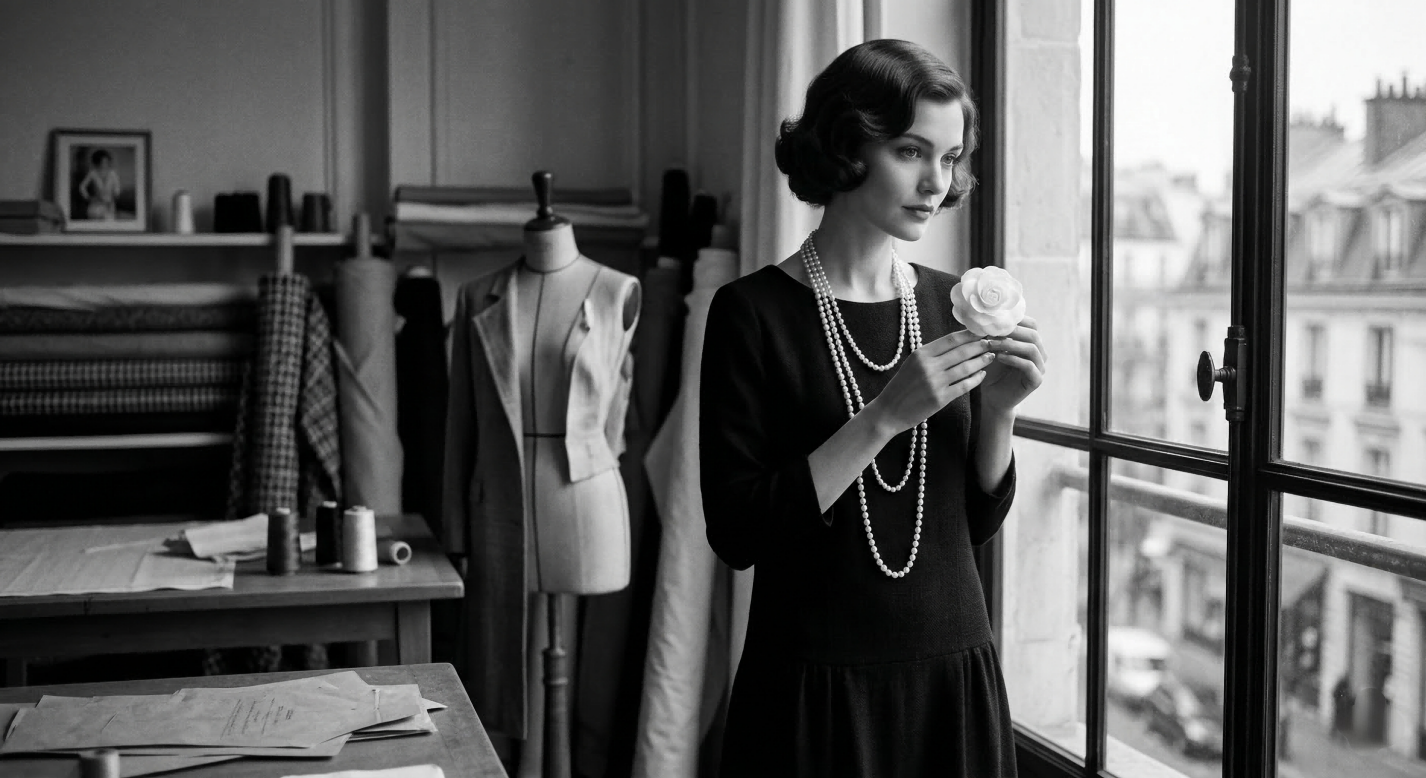
Gabrielle Chanel’s beginnings were far from glamorous. Raised in an orphanage at the Aubazine abbey after her mother’s death, she was surrounded by austere nuns and stark architecture. However, this environment profoundly shaped her aesthetic, instilling in her a love for neutral colors, particularly black and white, and clean, unadorned lines.

In 1910, financed by her lover, the wealthy English polo player Arthur “Boy” Capel, Chanel opened her first independent shop, Chanel Modes, at 21 Rue Cambon in Paris. She began by selling hats. Her minimalist, elegant millinery stood in stark contrast to the heavily plumed and overly decorated hats popular at the time. Prominent French actresses began wearing her creations, and word of her exceptional taste quickly spread.

Revolutionizing Women’s Fashion in the 20th Century

The true turning point in the Chanel brand history occurred when she began designing clothing. In the 1910s and 1920s, women’s fashion was highly restrictive, dominated by corsets, heavy fabrics, and impractical silhouettes. Coco Chanel revolutionized this.

She introduced garments made from jersey—a fabric previously reserved for men’s underwear—because of its beautiful drape and comfort. She designed drop-waist dresses, relaxed suits, and sportswear that allowed women to move freely, ride horses, and participate in an active lifestyle without sacrificing elegance. By prioritizing comfort and rejecting the sartorial constraints of the Belle Époque, Chanel empowered women. Her work during this period was not just a shift in trends; it was a societal revolution. For a deeper academic look into her transformative impact, you can explore the history of Coco Chanel at The Metropolitan Museum of Art.

The Karl Lagerfeld Era and Modern Resurgence

Following Gabrielle Chanel’s passing in 1971, the house saw a quiet period until the appointment of Karl Lagerfeld as artistic director in 1983. Lagerfeld performed a miraculous balancing act: he fiercely protected the Chanel classic elements while injecting them with a fresh, youthful, and sometimes rebellious energy.

HHe exaggerated the tweed, played with the proportions of the interlocking CC logo, and transformed the traditional runway show into breathtaking theatrical spectacles. Under Lagerfeld’s tenure, Chanel transformed from a respected historical house into a modern global powerhouse. To understand the sheer scale of his influence, one only needs to look back at Karl Lagerfeld’s most iconic Chanel runway moments archived by Vogue. Today, the legacy continues, proving that the foundation built by Coco Chanel was so robust that it could adapt to any era.

Exploring Chanel Classic Elements: The Pillars of Luxury

The genius of Chanel lies in its visual vocabulary. The brand relies on a specific set of codes—Chanel classic elements—that are instantly recognizable. These motifs are woven, stamped, and stitched into almost every product, carrying the history of the founder with them.

The History of Chanel Interlocking CC: The Ultimate Status Symbol

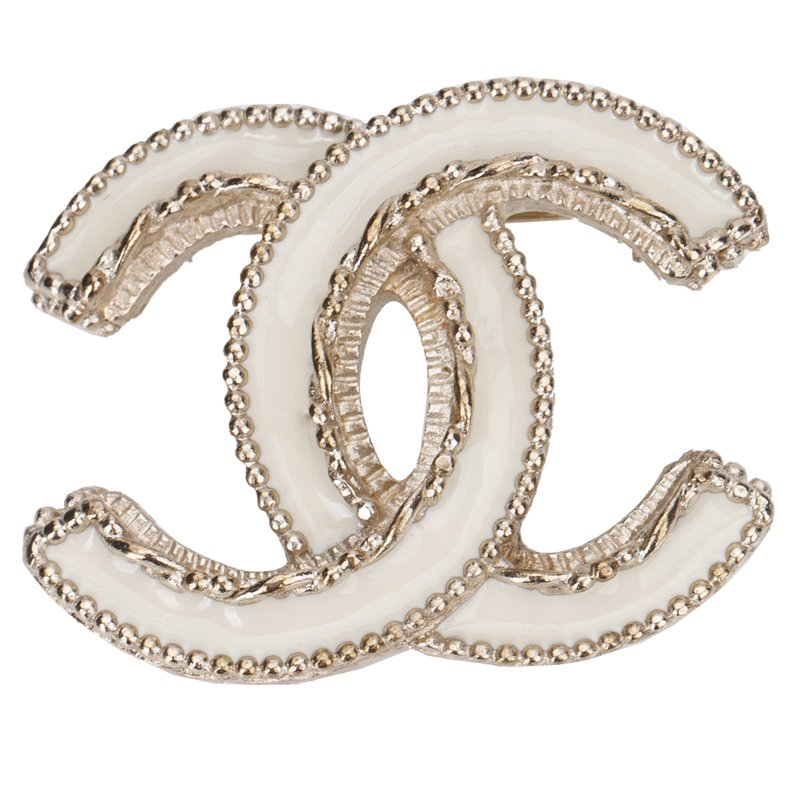
An authentic white enamel and gold-tone bead chain Chanel interlocking CC logo broach, demonstrating a key status symbol in Chanel classic elements.

Perhaps the most famous logo in the world of luxury is the interlocking, back-to-back double C. But what is the true history of Chanel interlocking CC?

There are two primary theories behind the creation of this iconic emblem. The first traces back to Gabrielle’s childhood at the Aubazine orphanage. The stained-glass windows of the abbey featured intertwined geometric patterns that heavily resemble the modern logo. The second, more romantic theory, suggests that the Cs stand for Coco and Capel. Arthur “Boy” Capel was the love of her life and her earliest backer. It is believed that the interlocking Cs represent their inseparable bond, a love story immortalized in a logo.

Regardless of its exact origin, the double C was officially designed by Coco Chanel herself in 1925. It was first introduced on the packaging of her signature perfume and later became a prominent feature on hardware, clasps, and textiles. Today, the interlocking CC is more than a brand identifier; it is the ultimate symbol of wealth, taste, and luxury heritage.

Why Does Chanel Use Camellias? The Story Behind the Flower

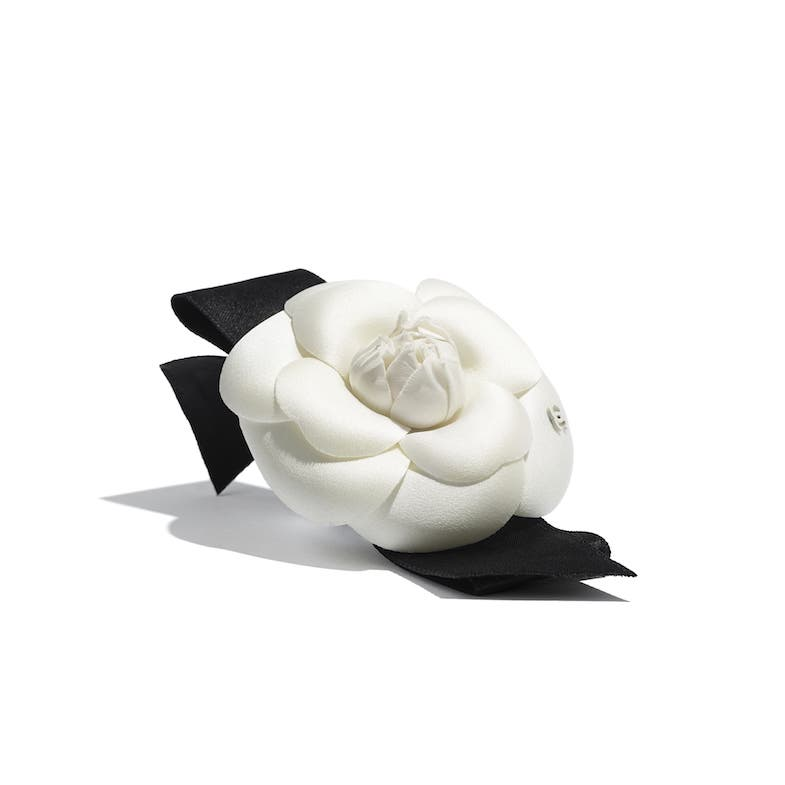
An authentic white leather and silk Chanel camellia flower broach with a black silk ribbon, illustrating one of the core Chanel classic elements.

If you purchase a Chanel item, whether it’s a grand haute couture gown or a sleek leather wallet, it is often adorned with or packaged alongside a beautiful, symmetrical flower. This leads to a common question: why does Chanel use camellias?

The camellia was Coco Chanel’s absolute favorite flower. Its significance to the brand is multi-layered:

  • Aesthetic Purity: The camellia possesses a perfect, geometric symmetry that appealed to Chanel’s love for order and clean lines.
  • The Absence of Scent: Unlike roses or jasmine, the camellia is completely odorless. Coco Chanel loved this because it meant the flower would never clash with her signature fragrance, Chanel N°5.
  • Androgynous Origins: In the 19th century, camellias were often worn by men in the lapels of their jackets. Chanel, who constantly borrowed from menswear to create her feminist fashion, loved adopting this masculine tradition for women.
  • A Literary Connection: It is also said that she was inspired by Alexandre Dumas’s The Lady of the Camellias, a play she was deeply moved by in her youth.

Today, the camellia is one of the most vital Chanel classic elements, crafted from silk, tweed, leather, and even fine diamonds in the brand’s high jewelry collections.

Chanel Diamond Quilting History: From Equestrian Roots to High Fashion
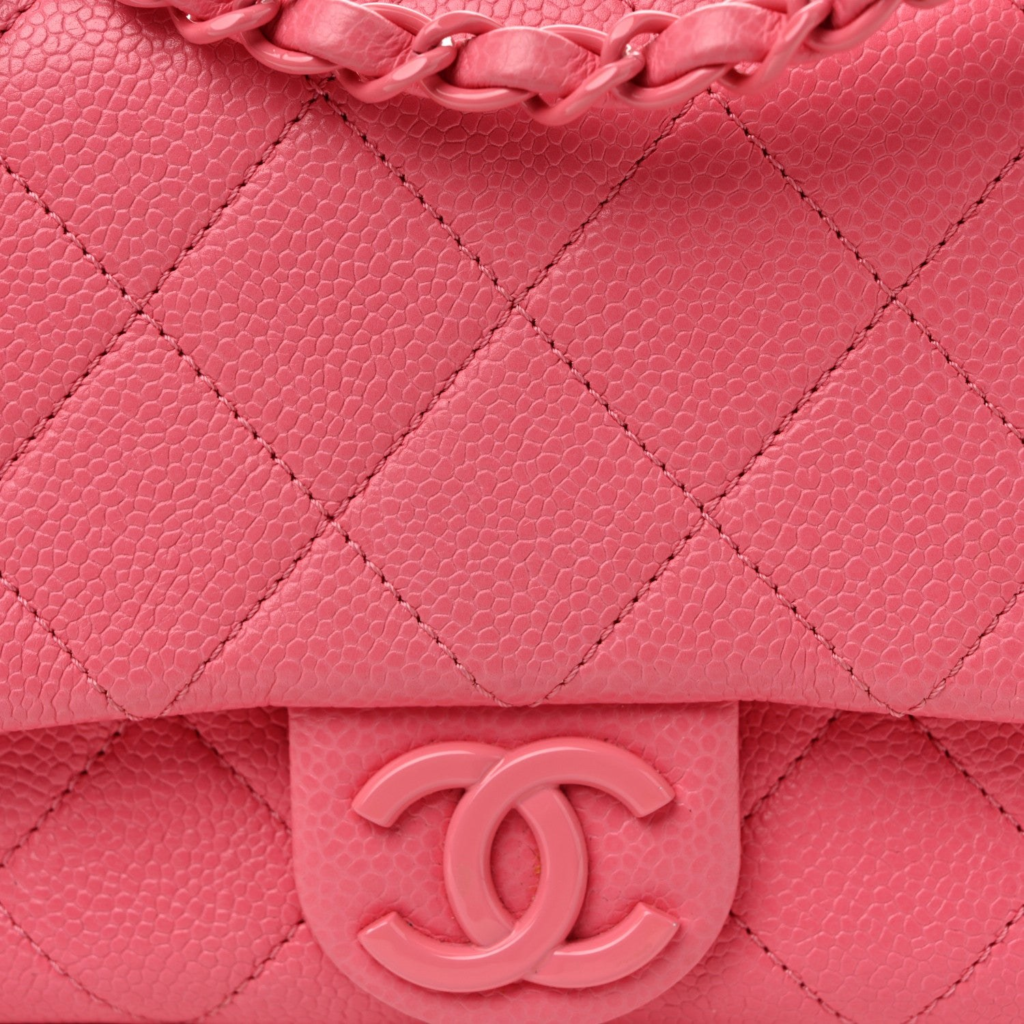
A detailed close-up of a pink quilted leather classic flap bag, focusing on the pink enamel interlocking CC clasp and the pink leather-interwoven chain strap, illustrating a classic design.

You cannot discuss Chanel without mentioning the distinct quilted pattern found on its most famous bags. The Chanel diamond quilting history is a perfect example of how Gabrielle Chanel found inspiration in the most unexpected, practical places.

Coco Chanel was an avid equestrienne. While spending time at the stables and racetracks with her aristocratic friends, she noticed the quilted jackets worn by stable boys to keep warm, as well as the diamond-quilted saddle blankets used on horses. She realized that the quilting technique added volume, durability, and texture to fabrics.

Wanting to create bags that held their shape and offered structural integrity, she adopted this stitching method. Additionally, some fashion historians argue that the diamond pattern was also a nod to the stained-glass windows at Aubazine, further blending her childhood memories with her adult passions. The diamond quilting made its grand debut on the Chanel 2.55 flap bag and has since become an indelible signature of the house, representing a perfect marriage of utility and supreme luxury.

The Leather-Woven Chain: A Masterclass in Form and Function
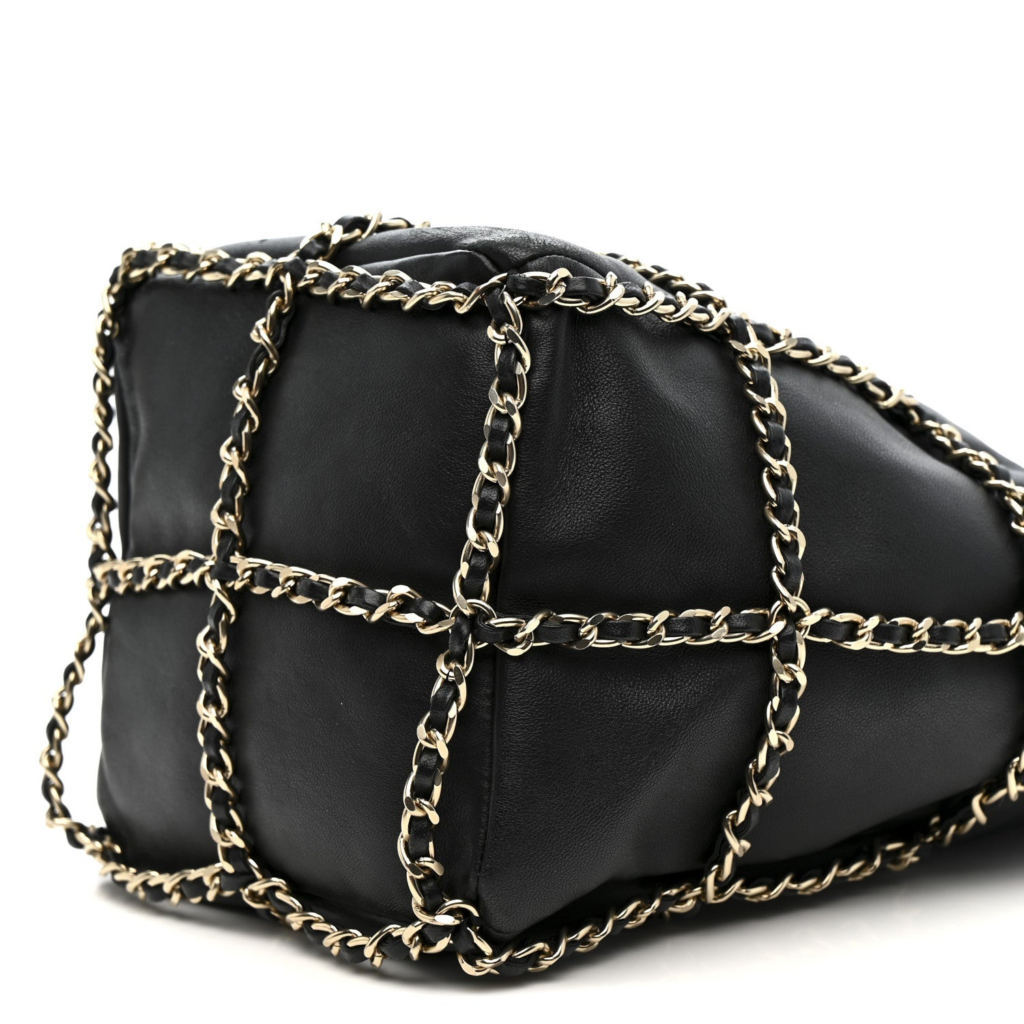
A detailed close-up of a black quilted leather hand bag with a unique exterior gold chain and black leather-interwoven mesh design, showcasing the intersection of comfort and style in iconic Chanel designs.

Another definitive feature that stems from the rich Chanel brand history is the leather-interwoven chain strap. When Gabrielle Chanel created her pioneering shoulder bags, her primary goal was to liberate women’s hands—a revolutionary concept at the time. While the original 2.55 bag from 1955 featured a jewelry-like, all-metal “Mademoiselle” chain, the interwoven leather and metal chain has since become one of the most recognizable Chanel classic elements.

The addition of threading a thin, supple strip of leather through the metal links was a stroke of practical genius. Historically, it is said this technique was used to reinforce the strap, make it significantly more comfortable to wear on the shoulder, and reduce the clinking sound of pure metal. Later, in the 1980s, Karl Lagerfeld heavily highlighted this leather-woven chain when he introduced the Classic Flap Bag (often referred to as the 11.12). By combining the industrial feel of metal with the luxurious warmth of leather, the interwoven chain cemented its place among the most iconic Chanel designs, continuing to symbolize the brand’s perfect balance of utility and high fashion. For collectors seeking pieces featuring this iconic chain, Reina Luxe offers a curated selection of impeccably crafted luxury handbags.

Tweed, Pearls, and the Two-Tone Shoe: Other Enduring Signatures

Beyond the logos and quilting, the Chanel classic elements extend into materials and styling.

  • Tweed:  Borrowed from the sportswear of her British lover, the Duke of Westminster, Chanel took this rough, masculine fabric and transformed it into the ultimate symbol of feminine sophistication. The intricate weaving techniques of Chanel’s tweeds are so highly regarded that they are regularly studied by fashion historians at institutions like the Victoria and Albert Museum.
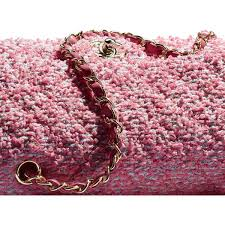
A detailed close-up of a pink tweed fabric classic flap bag, highlighting the rich textured material and the leather-interwoven chain strap, a perfect example of iconic Chanel designs.
  • Faux Pearls: Coco Chanel was famous for mixing fine jewelry with costume jewelry. She loved layering strands of faux pearls over casual daywear, democratizing jewelry and making it an everyday accessory.
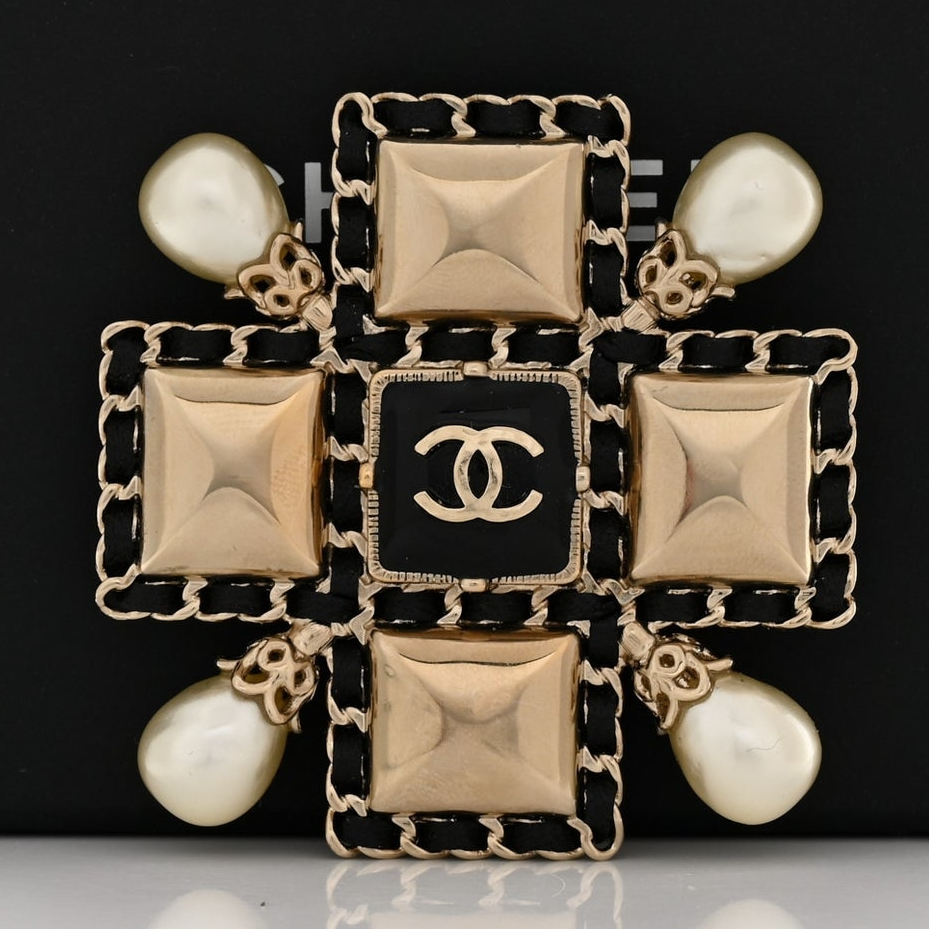
An elaborate Karl Lagerfeld era ornate broach set, featuring geometric gold elements, faux pearls, and a leather-woven chain, combining multiple Chanel classic elements, resting in a black gift box.
  • The Two-Tone Shoe: Introduced in 1957, the beige and black slingback shoe was a masterclass in optical illusion. The beige blended with the leg to make it look longer, while the black toe cap made the foot appear smaller and hid scuff marks.
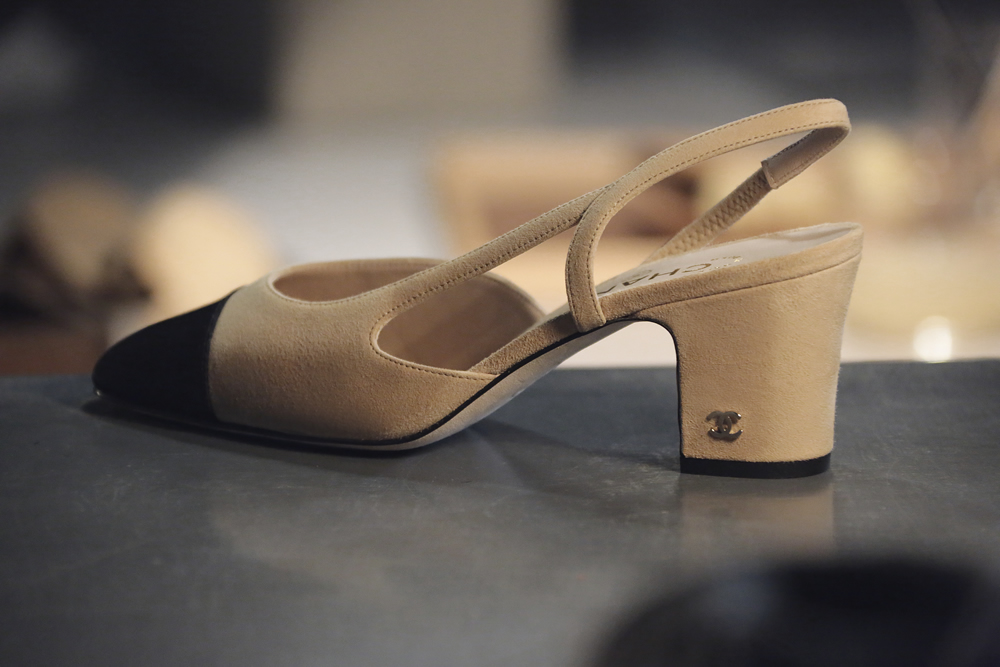
A side view of a beige suede and black leather two-tone slingback shoe with a small Chanel interlocking CC logo on the heel, representing iconic Chanel designs.

Iconic Chanel Designs That Changed Fashion Forever

The combination of the brand’s rich history and its classic elements culminated in the creation of several iconic Chanel designs. These pieces are not subject to seasonal trends; they are investments.

The Little Black Dress (LBD)

Before the 1920s, black was strictly reserved for mourning. In 1926, Vogue published a sketch of a simple, calf-length black dress designed by Chanel. The magazine astutely dubbed it “Chanel’s Ford,” predicting that, like the Model T automobile, it would become a ubiquitous, accessible standard for women everywhere. The Little Black Dress erased class distinctions in fashion and established black as the color of supreme chic.

The Chanel 2.55 Flap Bag
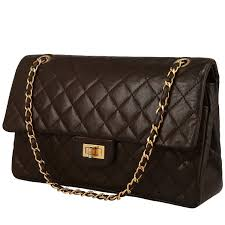
Created in February 1955 (hence the name 2.55), this bag revolutionized women’s accessories. Before this, upper-class women carried clutch bags, occupying their hands. Chanel, always valuing practicality, attached a double chain strap to her quilted bag, allowing women to wear it on their shoulders.

Every detail of the 2.55 is steeped in history:

  • The burgundy lining mirrors the color of the uniforms worn at the Aubazine orphanage.
  • The zippered pocket under the top flap was reportedly where Coco hid her love letters.
  • The rectangular clasp is known as the “Mademoiselle Lock,” a nod to the fact that she never married.
    If you are looking to invest in this piece of fashion history, exploring curated collections of classic luxury bags on Reina Luxe can help you find a timeless piece that incorporates all these legendary details.

The Chanel Tweed Suit

Introduced in the 1950s as a direct response to the restrictive, corseted “New Look” championed by Christian Dior, the Chanel tweed suit was a triumph of comfort. Featuring a collarless jacket, braided trim, metallic buttons (often stamped with the interlocking CC), and a slim skirt, it allowed women to move easily while projecting authority and elegance. It became the uniform of choice for powerful women, from Jackie Kennedy to Princess Diana.

Chanel N°5 Perfume
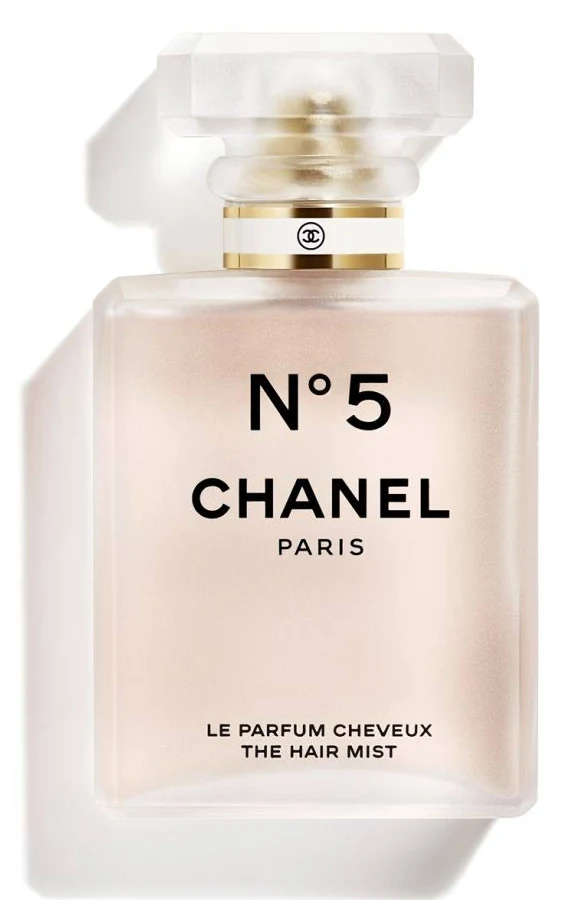
A bottle of Chanel N°5 Le Parfum Cheveux The Hair Mist, showing the translucent pink liquid and iconic minimalistic octagonal bottle, an important component of the Chanel brand history.

Launched in 1921, Chanel N°5 was a revolution in a bottle. Perfumer Ernest Beaux created a complex, abstract scent using synthetic aldehydes, breaking away from the single-flower fragrances popular at the time. Coco Chanel wanted a “woman’s perfume, with a woman’s scent.” The minimalist, pharmaceutical-style bottle remains an icon of modern design.

How Chanel Classic Elements Elevate Modern Wardrobes

The true magic of the Chanel brand history is its continued relevance. Incorporating iconic Chanel designs into a modern wardrobe is the ultimate style flex. A classic tweed jacket can be paired with distressed denim and a simple white t-shirt for a look that is effortlessly chic. The quilted flap bag seamlessly transitions from a daytime boardroom meeting to an evening gala.

Furthermore, pieces featuring authentic Chanel classic elements are tremendous financial investments. The heritage behind the diamond quilting, the interlocking CC, and the rich textiles ensures that these items retain—and often increase—their value on the resale market. Understanding the history adds intrinsic value to the physical item, making it an heirloom rather than just a purchase. For a detailed market analysis, read Sotheby’s comprehensive guide on why Chanel bags are a top investment.

Conclusion

The House of Chanel is a masterclass in myth-making and design excellence. The Chanel brand history is a testament to one woman’s uncompromising vision to free women from the physical constraints of fashion while making them look undeniably elegant.

By understanding the history of Chanel interlocking CC, the reasoning behind why does Chanel use camellias, and the fascinating Chanel diamond quilting history, we can look at a handbag or a suit and see a rich tapestry of art, history, and rebellion. These Chanel classic elements are the DNA of the brand, ensuring that iconic Chanel designs will remain the pinnacle of luxury for generations to come.

If you are inspired to add a piece of this extraordinary history to your own collection, visit Reina Luxe to discover curated luxury items that celebrate the timeless beauty and heritage of classic fashion.

Frequently Asked Questions (FAQs)

What is the origin of the Chanel interlocking CC logo?

The exact history of Chanel interlocking CC is debated, but it is widely believed to be inspired by either the intertwined patterns in the stained-glass windows of the Aubazine orphanage where Gabrielle Chanel grew up, or a romantic combination of her initials (Coco) and the initials of her great love, Arthur “Boy” Capel. It was officially introduced in 1925.

Why does Chanel use camellias in their designs?

Chanel uses the camellia because it was Coco Chanel’s favorite flower. She loved it for its perfect, geometric symmetry and its lack of fragrance, which meant it would never interfere with her signature perfume, Chanel N°5. It also symbolized purity and had a slightly androgynous appeal, aligning perfectly with her design philosophy.

What inspired the Chanel diamond quilting history?

The Chanel diamond quilting history is rooted in the equestrian world. Coco Chanel observed the quilted jackets worn by stable hands and the saddle blankets used on horses. She realized that the quilting technique provided structure, durability, and volume, prompting her to use it on her iconic leather bags, starting with the 2.55 flap bag.

What are considered the most iconic Chanel designs of all time?

The most iconic Chanel designs include the Little Black Dress (LBD) introduced in 1926, the 2.55 flap bag (created in February 1955), the classic collarless Tweed Suit, the Two-Tone slingback shoes, and the legendary Chanel N°5 perfume.

Are Chanel items considered good financial investments?

Yes. Due to the rich Chanel brand history, strict quality control, and the enduring appeal of Chanel classic elements, their iconic pieces—especially classic flap bags—consistently hold their value and have historically outpaced inflation, making them excellent assets on the luxury resale market.

Related Posts

12 comments

Sarah M. 03/20/2026 - 10:22 am

This guide is exactly what I needed! I’m planning to buy my first Chanel bag this year. Do you think the classic flap with the leather-woven chain is the best investment?

Reply
ReinaLuxe_site_logo
Chole 03/20/2026 - 10:25 am

Thank you, Sarah! Yes, the Classic Flap with the iconic leather-woven chain is arguably the safest and most rewarding first investment. It beautifully encapsulates the core Chanel classic elements and holds its resale value incredibly well. Let us know if you need help sourcing a pristine piece!

Reply
Elena_Vintage 03/20/2026 - 10:23 am

I had no idea the interlocking CC logo might have been inspired by the stained glass at the Aubazine orphanage. That adds such a hauntingly beautiful layer to the brand history.

Reply
ReinaLuxe_site_logo
Chole 03/20/2026 - 10:26 am

Isn’t that fascinating, Elena? Gabrielle Chanel had a unique way of turning her austere childhood memories into the ultimate symbols of luxury. It really changes how you look at the logo!

Reply
Chloe G. 03/20/2026 - 10:23 am

The camellia story is my favorite. I always wondered why Chanel uses camellias instead of roses. The fact that it has no scent to compete with N°5 is brilliant.

Reply
ReinaLuxe_site_logo
Chole 03/20/2026 - 10:26 am

Pure genius, right? Coco Chanel was incredibly meticulous about every detail. The camellia perfectly blends elegant aesthetics with practical foresight.

Reply
Amanda R. 03/20/2026 - 10:23 am

The hidden zipper pocket in the 2.55 for love letters is such a romantic detail. Makes me appreciate my vintage 2.55 even more!

Reply
ReinaLuxe_site_logo
Chole 03/20/2026 - 10:26 am

It’s those hidden, highly personal touches that make iconic Chanel designs so special. You own a true piece of fashion history, Amanda. Take good care of that gorgeous 2.55!

Reply
StyleByJess 03/20/2026 - 10:24 am

Great article! I just got a pair of the two-tone slingbacks. The optical illusion of making the leg look longer really works.

Reply
ReinaLuxe_site_logo
Chole 03/20/2026 - 10:26 am

Congratulations on your new shoes, Jess! The two-tone design is an absolute masterclass in both style and flattering proportions. They are a timeless addition to any modern wardrobe.

Reply
Fiona H. 03/20/2026 - 10:24 am

I loved the mention of the V&A museum. Chanel’s tweed is truly wearable art. Does Reina Luxe ever stock vintage tweed jackets?

Reply
ReinaLuxe_site_logo
Chole 03/20/2026 - 10:27 am

We absolutely agree! Chanel tweed is legendary. Yes, we occasionally source exceptional vintage tweed jackets. We highly recommend signing up for our newsletter so you don’t miss out when those rare pieces arrive.

Reply

Leave a Comment