
Introduction
When it comes to luxury craftsmanship, Hermes leather stands in a league of its own. Every bag, from the timeless Birkin to the elegant Kelly, tells a story of heritage, precision, and artistry. The house’s mastery lies not just in its iconic silhouettes, but in the variety of Hermes leather types—each with its own character, texture, and evolution over time. Whether you love the structured elegance of Epsom or the natural suppleness of Togo, the choice of leather defines how your Hermes bag looks, feels, and ages.
In recent years, as replica and “mirror-quality” bags have become increasingly sophisticated, many buyers find it difficult to tell genuine Hermes leather from imitation materials. While replicas may imitate color or embossing, they fail to replicate the living qualities of true leather—the warmth, scent, and graceful patina that only real craftsmanship can produce. Understanding Hermes leather vs replica is more than a buying decision; it’s a way to appreciate why authentic Hermes materials command such reverence.
In this guide, we’ll explore the most common Hermes leather types—including Epsom, Togo, Swift, and Clemence—and reveal how to distinguish genuine hides from look-alike versions. We’ll also discuss how real Hermes leather ages differently from synthetic replicas, offering insight into the unmistakable charm of authenticity.
Table of Contents
Common Hermes Leathers
Epsom Calfskin (Argentine City-Inspired)
This embossed leather is named after a city in southeastern Argentina, famous for horse racing. It features a delicate and regular texture created through mechanical embossing, with a clear two-tone effect that exudes a slender elegance.
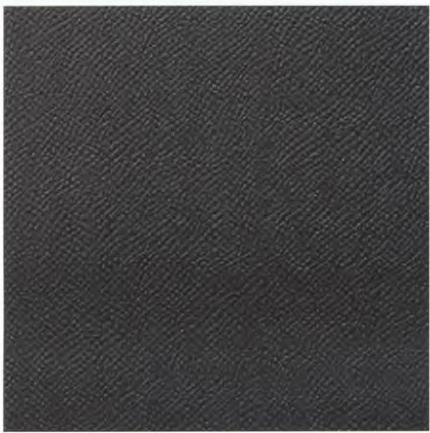 | Origin | Named after a horse-racing famous city in southeastern Argentina. |
| Launch Year | 2004 | |
| Key Feature: | Mechanical embossing creates delicate, regular texture with clear two-tone color. | |
| Usage Trait: | Stays rigid and scratch-resistant; texture fades on frequently rubbed areas. |
Togo Calfskin
The intensive drum tanning process brings out the leather’s natural texture. Its name comes from the theme of the year it was launched: Togo, an African country.
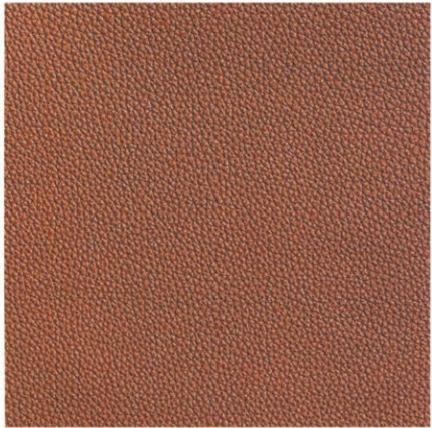 | Origin | Named after “Togo” (1997 launch theme). |
| Launch Year | 1997 | |
| Appearance | Matte; round, irregular visible grain. | |
| Handfeel | Soft but sturdy; dry, firm, plump touch. | |
| Usage Change | Becomes softer over time. |
Swift Calfskin
This extremely soft and fine leather is named after Jonathan Swift, the author of Gulliver’s Travels, as it bears a strong resemblance to Gulliver calfskin— a material no longer used today.
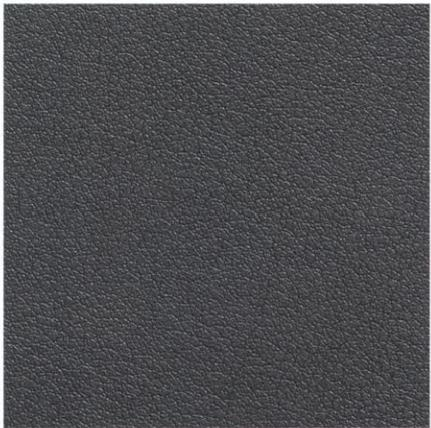 | Origin | Named after Gulliver’s Travels author Jonathan Swift (resembles discontinued Gulliver calfskin). |
| Launch Year | 2004 | |
| Appearance | Almost smooth; subtle sheen, faint grain. | |
| Handfeel | Gentle, tender, and elegant. | |
| Usage Change | Grows increasingly soft. |
Evercolor Calfskin
It pairs well with Evergrain calfskin, offering a similar level of softness and a rich range of “forever” colors.
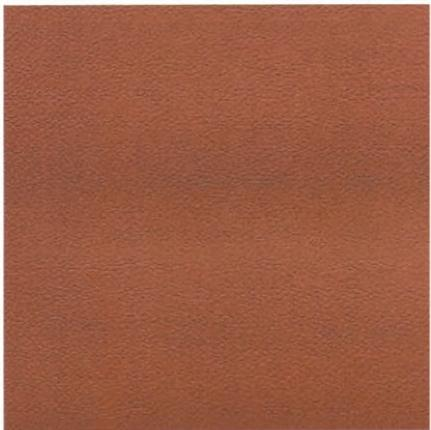 | Origin | Pairs with Evergrain; offers “forever” color range. |
| Launch Year | 2012 | |
| Appearance | Satin-like; regular small embossed texture. | |
| Handfeel | Soft, mild; more distinct grain than Evergrain. | |
| Usage Change | Softer with increased luster over time. |
Box Calfskin (Iconic)
Box calfskin is an iconic leather of HERMÈS, named after the British box tanning technique from which it originated. Leather made using this tanning process has a unique handfeel and appearance, infusing depth and vitality into darker tones.
 | Origin | From British “box tanning” technique; adds depth to dull tones. |
| Launch Year | 1920s | |
| Appearance | Smooth, shiny; deep hues, long fine grain. | |
| Handfeel | Moist, smooth; round, firm, plump. | |
| Usage Change | Scratch-sensitive initially; develops patina, retains rigidity. |
Evergrain Calfskin
It is a close relative of Evercalf calfskin, with a similar level of softness. However, it features a low-key, fine, and highly regular embossed effect— just as its name suggests.
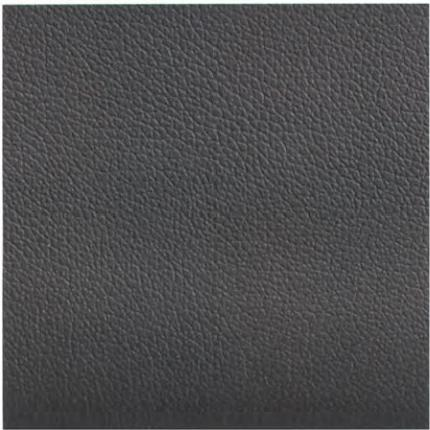 | Origin | Close relative of Evercalf; understated regular embossing. |
| Launch Year | 2004 | |
| Appearance | Fine, light regular grain; satin finish. | |
| Handfeel | Soft, mild; grain barely perceptible. | |
| Usage Change | Gains luster and softness with use. |
Chamkila Goatskin
Like other goatskins used by HERMÈS, this type of goatskin is sourced from India and boasts an elegant temperament. It has an extremely fine texture and a lustrous finish. Its name is quite fitting: “Chamkila” means “bright” in Hindi.
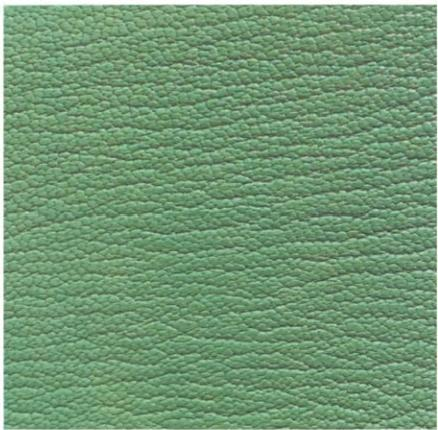 | Origin | Sourced from India; “Chamkila” = “bright” in Hindi. |
| Launch Year | 2018 | |
| Appearance | Fine, irregular (but harmonious) grain; lustrous. | |
| Handfeel | Moist, smooth; round, firm, plump. | |
| Usage Change | Scratch-sensitive initially; develops patina, retains rigidity. |
Others
 | Fjord Calfskin | 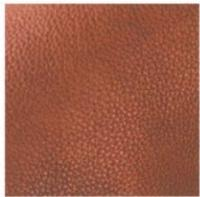 | Sikkim Calfskin |
| Key Trait: Heavier than Clemence; large, less 3D grain; waterproof (repels raindrops). Representative Products: Birkin Bag, Garden Party Bag, Men’s Bags. | Key Trait: Lighter/thinner than Swift; silky appearance, soft touch. | ||
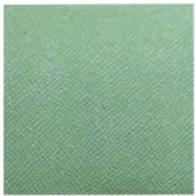 | Sombrero Calfskin | 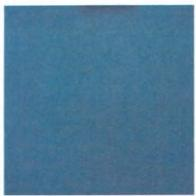 | Graine Monsieur Calfskin |
| Key Trait: Soft and smooth; prone to scratches. | Key Trait: Similar to Epsom (rigid, lightweight); smoother/finer handfeel than Epsom. | ||
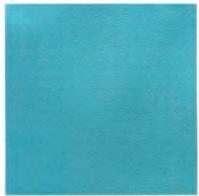 | Cheri Calfskin | 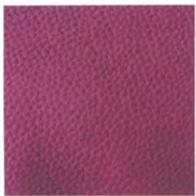 | Clemence Calfskin |
| Key Trait: Soft, wear-resistant; highly waterproof. | Key Trait: Matte (more so than Togo); high oil content (slight droop); “ironed Togo” look.Representative Products: Lindy Bag, Gypsy Bag, Bowling Bag. | ||
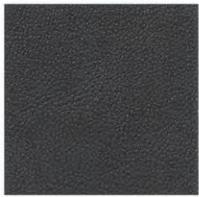 | Negonda Calfskin | 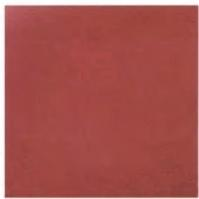 | Chamonix Calfskin |
| Key Trait: From young bulls; small, clear grain. Representative Products: Garden Party Bag. | Origin: Sourced from young bulls in French Alpine resorts (suede variant of calf grain). Key Trait: Smooth touch; moisture-sensitive. | ||
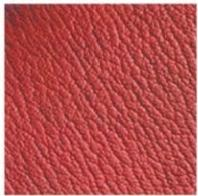 | Buffalo Leather | 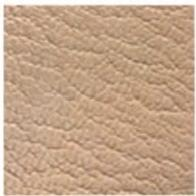 | Chevre de Coromandel |
| Key Trait: From water buffalo/bison; soft, waterproof; dye may cause surface spots. | Key Trait: Tanned from Coromandel goatskin; lustrous, relatively durable. | ||
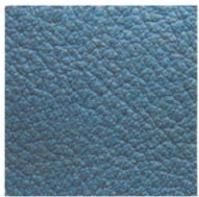 | Sikkim (Barenia) | 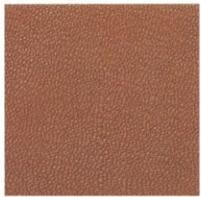 | Chevre Mysore |
| Nature: Essentially calfskin (classic saddle material). Key Traits:Waterproof and scratch-resistant (scratches smooth out by hand).Develops copper patina with long-term use. | Key Trait: Irregular (but harmonious) grain; slight sheen; dry touch; softens over time. |
Crocodile Leather
Species & Mark Identification
“Inverse V” Mark: Porosus Crocodile (Saltwater Crocodile)
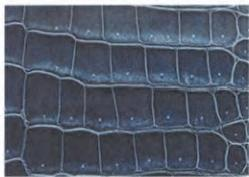 | Porosus Crocodiles are extremely rare in the market. Their scales are evenly distributed, with a small dot on each scale. This type of crocodile leather is the most expensive and rarest. Porosus Crocodiles are naturally aggressive; when raised together, they will fight each other and end up covered in scars. Therefore, raising them individually for years incurs high costs. The crocodile eggs of Porosus Crocodiles are all collected manually by Hermès breeders, who travel to the wilds of Australia by helicopter to do so. |
“Dot (·)” Mark: Niloticus Crocodile (Nile Crocodile)
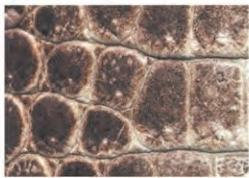 | As the name suggests, this species of crocodile lives in the Nile River basin. It has more square scales than round ones, and the square patterns are relatively neat. Compared with other crocodile leathers, it offers the best dyeing effect on the belly. That’s why the Himalayan Crocodile Birkin Bag, a dream item for many women, is made exclusively from Niloticus Crocodile leather. |
“Square (□)” Mark: Alligator Crocodile (American Alligator)
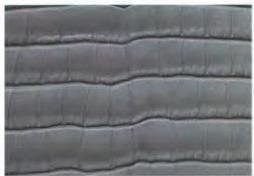 | The Alligator Crocodile is the only type of crocodile leather we usually have access to that has no air pores. Its surface is very smooth and soft. The transition between its bamboo-patterned grains and flank grains is very distinct, and the dividing lines of the transition are arranged in parallel. The texture gives a very neat and upright feel, making it suitable for making men’s leather goods. It is also the top choice for business-style leather goods. |
“Circle (O)” Mark: Caiman Crocodile
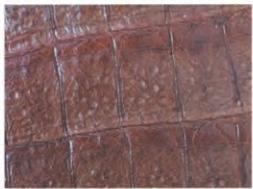 | Caiman Crocodile leather is representative of affordable crocodile leather products, with a very low price. It belongs to small freshwater crocodiles; male caimans grow no longer than 2.5 meters, and female caimans are even smaller, making them easy to raise. The belly leather of this crocodile has rectangular patterns, with a strong sense of ”concavity and convexity” and tiny pore-like bumps. The fiber layers in the leather are calcified (ossified), so the leather is relatively hard and can only retain its original surface texture. No other surface treatments except dyeing can be applied to it, and it cannot be shaped when making leather goods. |
Hermès crocodile leather features two distinct tanning finishes: Lisse (Glossy) and Matte (Satin). The Matte finish has a matte appearance, which places higher requirements on the leather’s inherent texture. Its production process is also more complex and sophisticated, so the counter price of Matte finish is generally higher than that of Lisse finish.
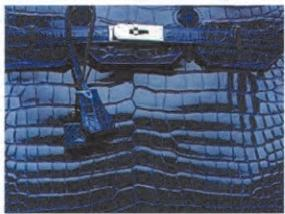 | 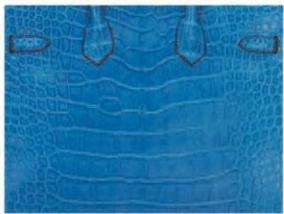 |
| Lisse (Glossy): Shiny appearance; standard craftsmanship. | Matte: Dull hue; higher grain quality required; more complex process; higher price than Lisse. |
Other Specialty Leathers
Lizard Skin (Varanus)
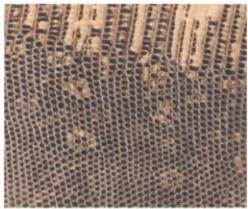 | Species: Nile Monitor (Varanus Niloticus) & Salvador’s Monitor (Varanus Salvadorii). Key Notes:Rare (comes with CITES certificate).Fragile scales (needs water/fading protection; regular maintenance). |
Ostrich Skin
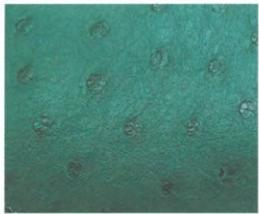 | Key Traits:Lightest, durable specialty leather; softens with use (retains shape).Waterproof; darkens with skin contact, fades in sunlight.Dots = pores (feather-plucked); limited craftsmen (some styles discontinued). |
Python Skin
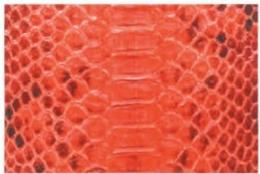 | Key Traits:Thin, soft, elastic; dry scales retain texture.Unique leopard-like spots (1/3 of scale unattached to skin); rarely used by Hermès (common in Bottega Veneta). |
While all leathers define the Hermes leather types that collectors adore, the difference between them and replica leather lies not only in craftsmanship but in the way they feel, age, and respond to touch. Genuine Hermes leathers evolve over time, becoming softer and richer; replicas, on the other hand, remain static or deteriorate unnaturally.
Authentic Hermes leather is not just a material — it’s an experience.
Why Real Leather Ages Differently from Replica Materials
The true beauty of Hermes leather lies in its ability to change over time. Every authentic Hermes bag tells a story — not just through its design, but through the way its leather ages, softens, and gains character. Unlike replicas, which remain static or even deteriorate after a short period, genuine Hermes leathers transform with use, developing what experts call a patina — a soft sheen that reflects both time and craftsmanship.
The Natural Composition of Genuine Hermes Leather
Hermes works with carefully sourced calf, goat, and bull hides, each selected for its density, flexibility, and natural grain. These leathers are tanned using artisanal processes that take weeks or months, ensuring they retain their natural oils and organic fibers. This is what gives Hermes bags their unique texture, scent, and warmth to the touch.
Each leather type ages in its own distinctive way:
- Epsom leather maintains structure and shine even after years of use. The embossed surface resists scratches and moisture, making it ideal for buyers who prefer a pristine look.
- Togo leather becomes softer and more pliable, developing a light sheen that accentuates its pebble-like grain.
- Swift leather gains a luminous patina that enhances its color depth — it actually looks more radiant the longer you carry it.
- Clemence leather, with its high oil content, darkens slightly and softens, achieving a luxurious slouch that only genuine hides can replicate naturally.
This authentic leather comparison highlights how Hermes craftsmanship works with nature, not against it. Every bag evolves uniquely — no two age the same way, because no two hides are identical.
How Replica Leathers Fail to Age Gracefully
In contrast, replica materials—even high-end “AAA” or “mirror-quality” versions—rely on synthetic coatings and artificial embossing to mimic genuine textures. While replicas can look convincing at first glance, they lack the organic structure that allows real leather to breathe and adapt over time.
Here’s how replica leather typically behaves:
- Texture: Artificially pressed grains eventually flatten or crack, losing depth and realism.
- Color: Synthetic dyes fade unevenly, especially under sunlight, often revealing the plastic base beneath.
- Touch: Replicas feel cold and overly smooth or rubbery, whereas genuine Hermes leathers feel warm and “alive.”
- Aging: Instead of developing patina, fake leathers peel or harden, showing no evolution or richness.
Even when compared side by side, the difference is clear. Authentic Hermes leather ages gracefully—it becomes part of your personal story—while replicas simply wear out. That contrast is the essence of Hermes leather vs replica discussions among collectors and connoisseurs.
3. Sensory Signatures of Authentic Hermes Leather
Beyond visual differences, true Hermes leather engages all the senses:
- Smell: Genuine hides carry a faint, earthy aroma — a hallmark of natural tanning. Replica bags, coated with synthetic finishes, often smell like glue or plastic.
- Touch: Real Hermes leather feels supple yet firm, with micro-variations in texture. Replica surfaces feel flat, too consistent, or unnaturally smooth.
- Sound: When gently pressed, authentic leather emits a soft creak — replicas sound hollow or silent due to artificial fillers.
These sensory cues matter because Hermes craftsmanship celebrates imperfection — the subtle irregularities that make every bag one of a kind. In contrast, replicas often look too perfect, lacking the warmth that defines real leather.
Patina: The Hallmark of Authenticity
Over time, Hermes leather develops a visible patina, a soft glow that enhances both color and texture. This phenomenon is caused by the absorption of natural oils from your hands and the environment, which enrich the hide’s surface instead of damaging it.
Replicas cannot replicate this process. Instead of deepening in tone, they lose their top coating or discolor in patches. That’s why collectors often say:
“Aging is not a flaw — it’s the fingerprint of authenticity.”
Understanding how Hermes leather ages differently from replica materials empowers buyers to make smarter, more confident choices. True luxury doesn’t just last; it evolves beautifully.
While understanding leather grains is crucial for authentication, applying this knowledge to find a flawless bag is the next step. If you refuse to compromise on authentic European tanneries like Weinheimer or HAAS, explore our comprehensive masterclass on sourcing the best replica Hermes bags, where we break down the exact tiers that utilize original factory leathers.
Conclusion
From Epsom to Togo, Swift to Clemence, Hermes leathers represent the pinnacle of craftsmanship and artistry. Each type is carefully designed to meet a different lifestyle — whether you prefer Epsom’s structure, Togo’s natural grain, Swift’s radiance, or Clemence’s softness, every Hermes leather carries a signature that no replica can reproduce.
The distinction between Hermes leather vs replica extends far beyond surface appearance. Genuine Hermes materials breathe, evolve, and improve with time, while replicas remain static or deteriorate. Understanding these differences helps collectors, fashion lovers, and first-time buyers appreciate the enduring value behind every Hermes creation.
When you hold an authentic Hermes bag, you’re not just touching leather — you’re holding a century of craftsmanship, tradition, and patience. And that’s something no factory-made replica can ever imitate.
Final Thought:
Learning about Hermes leather types isn’t only about identifying Epsom vs Togo or spotting counterfeits. It’s about recognizing the artistry of natural materials and the quiet beauty that unfolds with every year of genuine use.
What are the main Hermes leather types?
The most popular Hermes leather types include Epsom, Togo, Swift, and Clemence. Each has distinct characteristics—Epsom is structured and durable, Togo is soft and natural, Swift is smooth and colorful, while Clemence is matte and supple.
What is the difference between Epsom and Togo leather?
Epsom leather is embossed, lightweight, and holds its shape, making it ideal for structured bags like the Kelly Sellier. Togo leather, made from natural-grain calfskin, is softer and more flexible, perfect for everyday use and developing a rich patina over time.
How can you tell authentic Hermes leather from replicas?
Authentic Hermes leather feels warm, supple, and has a natural scent. Replica materials often feel plastic or overly smooth. Genuine Hermes leather also ages gracefully, developing a patina, while replica leathers may crack or peel over time.

6 comments
Great article! I didn’t realize Hermes started using Epsom leather only in 2004. It’s so lightweight compared to Clemence. I’m curious — which leather holds color better over time, Epsom or Swift?
That’s a great question,Daniela! Epsom holds color longer because of its embossed finish, while Swift absorbs dyes more deeply, creating that luminous look. Both are stunning, but Epsom is definitely the more color-stable choice.
This was such a helpful read! I recently saw a replica Hermes Kelly online that looked pretty convincing, but after reading your section on Hermes leather vs replica, I realized the texture and color depth were off. Real Hermes leather truly has a life of its own.
Exactly,Laurat — even the best replicas can’t mimic the organic texture or scent of authentic Hermes leather. We’re glad the comparison helped! Always trust your senses when evaluating leather quality — real craftsmanship feels alive.
I’ve always been confused between Epsom and Togo leather, but this article explained the difference perfectly! I own a Togo Birkin and love how it’s gotten softer over time — the patina is so beautiful. Thanks for breaking down the Hermes leather types so clearly.
Thanks, Jessica! You’re absolutely right — Togo leather ages beautifully and develops a lovely patina that’s unique to each bag. If you ever want to compare other Hermes leather types like Swift or Clemence, check out our latest leather comparison guide too!