
Table of Contents
Introduction
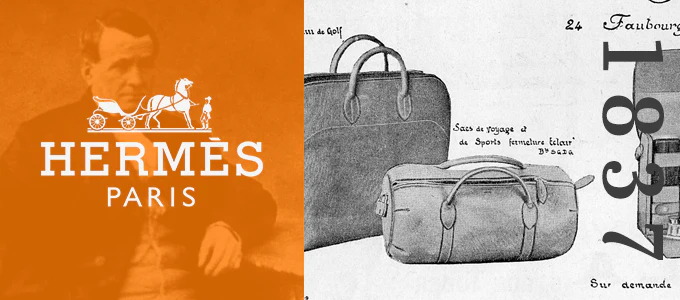
Few names in the world of luxury carry the same weight as Hermès. Founded in 1837 by Thierry Hermès in Paris, the brand began as a small harness workshop catering to European aristocrats before evolving into one of the most prestigious fashion houses on earth. Over nearly two centuries, Hermès has become synonymous with exceptional craftsmanship, timeless design, and understated wealth.
From handcrafted leather goods to silk scarves, fine jewelry, and ready-to-wear fashion, Hermès products represent the pinnacle of exclusivity. Yet among its entire collection, no items are more coveted than its handbags — especially the Kelly and Birkin bags. These pieces are not only fashion statements but cultural icons, carried by royals, celebrities, and collectors worldwide.
However, the extraordinary desirability of these bags has also created a parallel phenomenon — the global rise of the Hermès bag replica market. For many fashion lovers who admire the artistry of Hermès but find its prices unattainable, Hermès replica bags offer an accessible way to experience luxury design without the staggering five- or six-figure investment.
This article explores the origins of the Hermès brand, the craftsmanship behind its world-famous designs, and how the demand for exclusivity has fueled a growing market for Hermès Birkin bag replicas and other alternatives.
The Timeless Craftsmanship and Heritage of Hermès
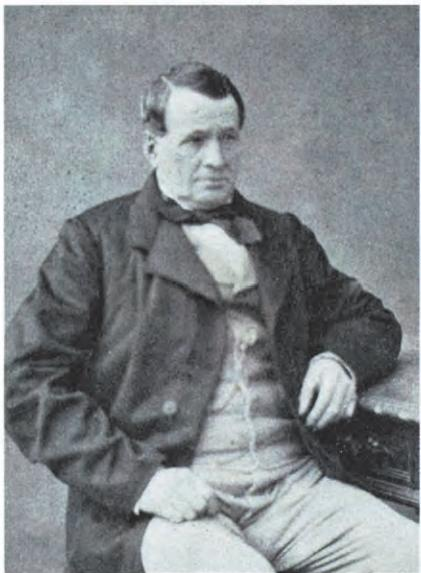
The story of Hermès begins with Thierry Hermès (1801–1878), a skilled craftsman born in Krefeld, Germany, who later settled in Paris. In 1837, he opened a workshop specializing in fine saddlery and harnesses for European nobility. His dedication to precision and quality quickly earned Hermès multiple awards at the Paris World Expositions of 1855 and 1867, laying the foundation for a reputation built on excellence in leather craftsmanship.
From Horse Saddles to Handbags
As the automobile replaced horses in the early 20th century, Hermès faced a critical turning point. Under the leadership of Thierry’s descendants, particularly Emile-Maurice Hermès, the company evolved beyond saddlery and began designing travel accessories and leather handbags. Emile-Maurice was also the first designer to introduce the zipper to French leather goods after encountering it in the United States — a groundbreaking innovation at the time.
In 1922, Hermès launched its first leather handbag, inspired by Emile-Maurice’s wife, who wanted a bag both elegant and practical. Over the decades, this simple idea evolved into two of the most legendary handbags in fashion history — the Kelly bag and the Birkin bag.
The Kelly bag gained international fame in 1956 when Princess Grace Kelly of Monaco used it to shield her pregnancy from photographers — an image captured by Life Magazine that turned the Hermès “Sac à dépêches” into a global sensation. Later, in 1984, Hermès CEO Jean-Louis Dumas collaborated with actress Jane Birkin to design a new, functional yet chic handbag. The result was the Birkin bag, a timeless symbol of effortless Parisian luxury.
A Tradition of Handcrafted Perfection
Unlike most modern luxury brands that rely on mass production, Hermès maintains a near-obsessive commitment to artisanal quality. Every Hermès handbag — whether a Kelly, Birkin, or Constance — is hand-stitched by a single artisan from start to finish, often requiring 18 to 24 hours of meticulous labor. The brand’s workshops, located mainly in France, continue to use traditional saddle-stitching techniques that ensure durability and precision.
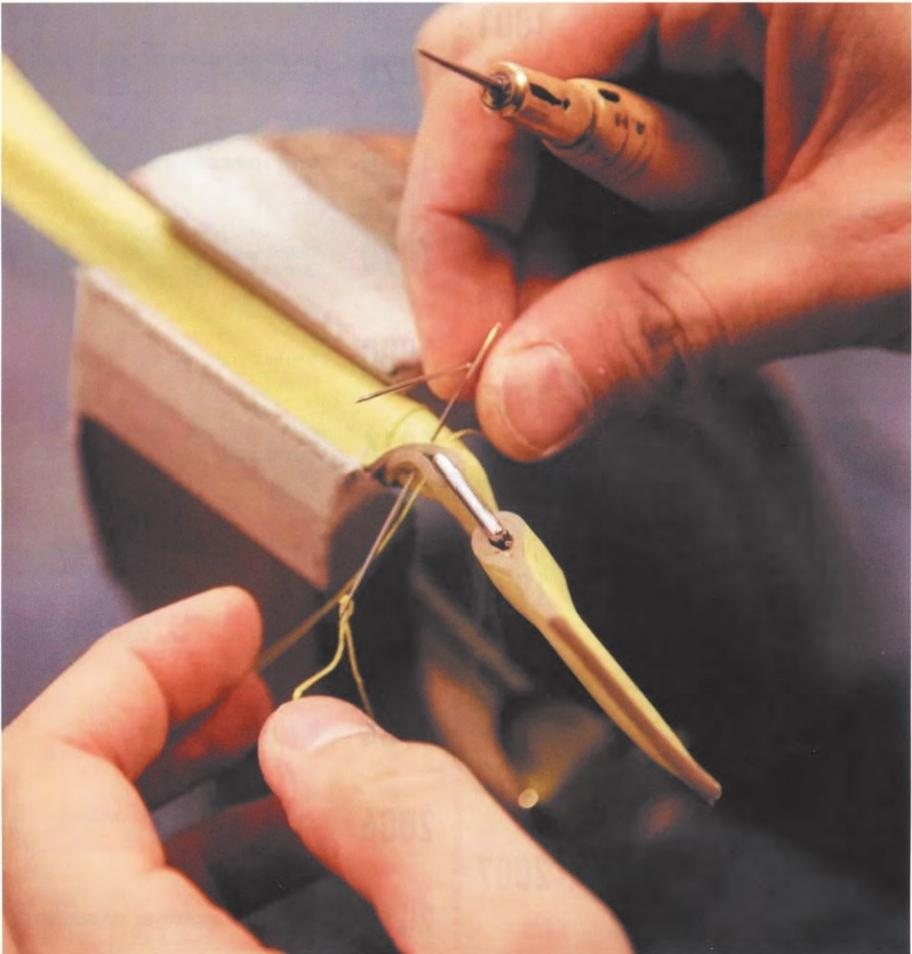
This craftsmanship is one of the key reasons why Hermès handbags can command prices upwards of $10,000 to $200,000. The company deliberately limits production, which enhances exclusivity and demand. For collectors, a Hermès bag isn’t just a fashion accessory; it’s a long-term investment and a piece of art.
Symbol of Status and Timeless Elegance
Owning a Hermès handbag has long been associated with refined taste and social prestige. Each bag is seen as a personal statement — quiet luxury that speaks volumes without a logo. Celebrities like Victoria Beckham, Kim Kardashian, and countless fashion icons have built entire collections around their Birkins and Kellys.
Yet this exclusivity also contributes to a sense of distance between desire and accessibility. For every person who can afford an authentic Hermès bag, there are thousands who admire its elegance from afar. This gap between aspiration and reality has become one of the main forces behind the rising interest in Hermès bag replicas — a topic we’ll explore further in the next chapter.
The Global Demand for Hermès Bags and the Desire Behind the Luxury
For nearly two centuries, Hermès has represented the pinnacle of timeless sophistication. The brand’s handbags — particularly the Birkin and Kelly — are not just accessories but symbols of status, craftsmanship, and exclusivity. Across the world, the Hermès name evokes a rare combination of heritage and modern desirability, turning each bag into an object of obsession for collectors and fashion lovers alike.
The Price of Perfection
The extraordinary demand for Hermès handbags is rooted in their limited production and meticulous craftsmanship. Each bag is created entirely by hand using the finest materials — from premium calfskin and ostrich to crocodile and alligator leather. Because of this artisanal process, Hermès limits the number of bags produced each year, and customers often face multi-year waiting lists before they can purchase one directly from the boutique.
Prices for a new Birkin bag typically start at around $10,000 and can easily exceed $150,000 for rare editions made from exotic skins or adorned with precious metals. In some cases, resale prices in the secondary market can double or even triple the original retail price, depending on the model, color, and condition.
This scarcity and prestige have turned Hermès handbags into not just fashion statements but investment assets. Collectors view them as tangible stores of value — pieces that appreciate over time due to the brand’s enduring allure and limited supply.
The Psychology of Luxury
The Hermès phenomenon goes far beyond craftsmanship. What makes these bags so desirable is the psychology of exclusivity. The ability to own what others cannot is a powerful form of social capital. Hermès intentionally cultivates this mystique — refusing mass production, avoiding discounts, and maintaining strict control over its retail channels.
For many consumers, purchasing a Hermès bag is about more than luxury — it’s about belonging to an elite circle. Carrying a Birkin or Kelly signals success, taste, and refined confidence. Even the unspoken ritual of being “offered” a bag by a boutique associate adds to its allure, transforming the shopping experience into a privilege rather than a transaction.
However, this sense of rarity also leads to frustration among fashion lovers who admire Hermès’ artistry but find themselves priced out or unable to access a bag despite years of loyalty. The exclusivity that defines the brand simultaneously creates a gap between aspiration and reality — a gap that has opened the door for another market to emerge.
When Desire Meets Accessibility
As the desire for Hermès handbags continues to grow, so does the curiosity around alternatives that capture the same design essence at a fraction of the price. In recent years, the term “Hermès bags replica” has gained massive search interest, reflecting a cultural shift in how consumers perceive luxury.
Rather than viewing replicas solely as counterfeits, many style-conscious consumers now see them as a practical solution to experience high fashion without financial strain. The rise of the Hermès bag replica market represents a democratization of luxury — one that allows more people to enjoy the aesthetic and elegance of the brand while acknowledging that the authentic versions remain unattainable for most.
This growing openness has redefined modern fashion consumption. For many, it’s no longer just about owning the original — it’s about embracing the design, craftsmanship, and confidence that come with it. The increasing popularity of Hermès Birkin bag replicas signals that the allure of Hermès transcends ownership; it’s about identity, aspiration, and appreciation of artistry.
The Rise of the Hermès Replica Bags Market
Over the past decade, the global appetite for luxury has grown dramatically — but so has the awareness that luxury doesn’t always have to come with a five-figure price tag. This shift in consumer behavior has fueled a thriving market for Hermès replica bags, particularly replicas of the brand’s most coveted designs: the Birkin and Kelly.
Why the Replica Market Exists
The Hermès replica market isn’t built on deception; it’s built on desire and accessibility. Most consumers who purchase replicas aren’t trying to pass them off as authentic — they simply want to enjoy the aesthetic, design, and elegance of Hermès without spending the equivalent of a car or a house deposit.
The truth is simple: Hermès has made its products so exclusive that only a fraction of its admirers will ever own one. The waiting lists are long, the boutiques are selective, and the prices are prohibitively high. As a result, replicas have become a logical and popular alternative for people who love the Hermès look and craftsmanship but live in the real world.
For many buyers, the appeal of a Hermès bag replica lies in its balance between beauty and practicality. Modern replicas often use genuine leather, careful stitching, and high-quality hardware — elements that make them visually and structurally comparable to the originals. In fact, today’s Hermès Birkin bag replicas are so advanced that even experienced collectors sometimes find it difficult to tell them apart from authentic versions at first glance.
Changing Perceptions: From Taboo to Acceptance
A decade ago, carrying a replica might have been considered socially unacceptable. But attitudes toward replicas are shifting, especially among younger consumers. Millennials and Gen Z — who prioritize self-expression and smart spending — increasingly see replicas not as “fakes,” but as fashion-inspired alternatives that let them explore luxury aesthetics without financial burden.
Social media has accelerated this change. On platforms like TikTok, Reddit, and YouTube, countless users share honest reviews of Hermès bags replicas, discussing their craftsmanship, materials, and affordability. This open conversation has made the replica community more transparent — and more accepted.
Moreover, in an age of sustainability, some consumers even argue that choosing a high-quality replica over a new luxury bag aligns with responsible consumption. Instead of supporting overproduction or extreme markups, they see replicas as a smarter, more ethical form of luxury — accessible, durable, and realistic.
Smart Luxury: A Democratized Approach
At its core, the rise of Hermès replica bags reflects a cultural evolution in how people define luxury. It’s no longer solely about the price tag or exclusivity — it’s about style, confidence, and quality of experience.
In today’s fashion landscape, many believe that embracing a beautifully made Hermès bag replica is a statement of practicality, not pretense. These replicas allow consumers to participate in the visual language of Hermès — the timeless design, the structured elegance, the aura of Parisian sophistication — without the gatekeeping that traditionally surrounds luxury goods.
For many modern buyers, choosing a replica is not about imitation — it’s about freedom of choice.
Conclusion
Hermès stands as one of the most revered names in fashion history — a symbol of craftsmanship, artistry, and quiet prestige. Its handbags, particularly the Birkin and Kelly, continue to inspire admiration around the world, embodying a level of design and tradition few brands can match.
Yet in the same way that Hermès redefined luxury, today’s consumers are redefining what it means to enjoy it. The growing popularity of Hermès bag replicas shows that luxury has become more inclusive and adaptable. For many, it’s no longer about exclusivity — it’s about appreciation.
Whether one owns a genuine Hermès bag or a Hermès Birkin bag replica, the allure lies in the same place: the design, the craftsmanship, and the confidence it brings. Replicas are not just copies — they’re an acknowledgment of the artistry and influence of Hermès, made accessible to a wider audience.
In a world where personal expression matters more than price, Hermès replica bags represent not compromise, but freedom — the freedom to enjoy beauty, quality, and timeless elegance on your own terms.
Why are Hermès bags so expensive?
Each Hermès bag is handmade by a single artisan using premium materials and traditional saddle-stitching. The meticulous craftsmanship and limited production make Hermès bags highly exclusive and expensive.
What is a Hermès bag replica?
A Hermès bag replica is a high-quality reproduction inspired by the original Hermès design, such as the Birkin or Kelly. Modern replicas use real leather and precise craftsmanship, offering similar aesthetics at a more attainable price.
Are Hermès replica bags legal to buy?
Purchasing a Hermès bag replica for personal use is generally accepted in most countries, as long as it isn’t marketed as authentic. Many consumers choose replicas for affordability and design appreciation.
Why are Hermès Birkin bag replicas so popular?
Hermès Birkin bag replicas are popular because they capture the original’s craftsmanship and prestige at a fraction of the price. They allow more people to enjoy timeless Hermès elegance.
How can I find a high-quality Hermès bags replica?
Look for trusted replica sellers who use premium leather, detailed stitching, and accurate hardware. Customer reviews and side-by-side comparisons can help identify a well-made Hermès bags replica.

1 comment
Greate post. Keep writing such kind of information on your site.
Im really impressed by your blog.
Hi there, You have performed a great job.
I’ll certainly digg it and individually suggest to my friends.
I am confident they will be benefited from this web site.