
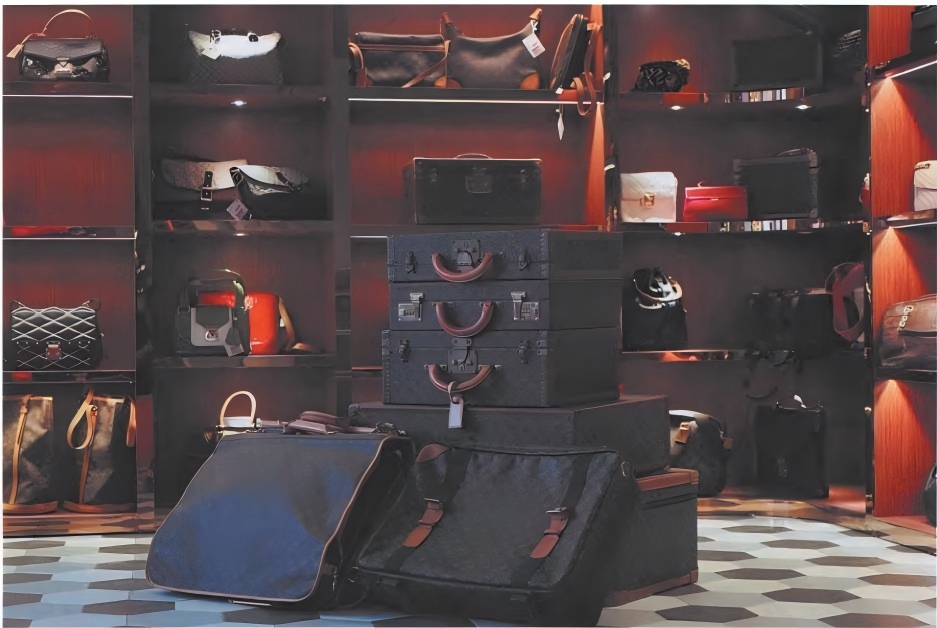
In 2025, one of the most surprising yet defining trends in luxury fashion is the rise of vintage designer bags. Especially among Gen Z and young Millennials, there’s a growing shift from chasing the newest It-bag to embracing the charm of classic pieces with history, character, and meaning.
No longer is buying a bag just about utility or aesthetics—it’s about storytelling, nostalgia, and identity. The “vintage luxury” trend reflects a deeper cultural shift: from fast fashion to sustainable style, from uniformity to individuality. For fashion-savvy youth who want to stand out without breaking the bank, vintage bags offer a unique blend of authenticity, affordability, and timeless elegance.
So why are vintage bags becoming so popular now? Let’s dive into the global journey of these bags—starting from Japan’s fashion scene to today’s resale boom—and uncover the real reasons behind their meteoric rise.
Table of Contents
The Rise of Vintage in Japan: A Cultural and Economic Evolution
The rise of the vintage designer bag trend didn’t start in Paris or New York—but in Japan. During the 1970s and 1980s, Japan experienced an economic boom that transformed consumer culture. For many Japanese women, purchasing a luxury handbag became as casual and frequent as buying snacks at the grocery store. This surge in spending fueled the rapid growth of luxury brands in the Japanese market, prompting many labels to launch exclusive limited editions in Japan first.
However, the 1990s brought economic hardship, and many households were forced to reassess their finances. In response, Japanese women began selling their once-beloved designer bags to make ends meet. This gave birth to a thriving second-hand luxury market, where items could be resold, exchanged, or traded for newer models in a circular, sustainable system.
As the market matured, Japan developed a set of sophisticated industry standards—such as authentication systems, grading conditions, and pricing transparency. The resale shops that emerged across Japanese cities weren’t just vintage boutiques; they were cultural institutions, deeply knowledgeable about each item’s provenance and market value.
Japan’s model shows us that vintage luxury bags aren’t merely old—they’re part of an evolving ecosystem where style, economy, and sustainability intersect. This laid the foundation for the global vintage trend that’s now captivating younger generations worldwide.
More Than Fashion: The Emotional and Cultural Appeal of Vintage Bags
To many young fashion lovers, a vintage luxury bag is not just an accessory—it’s a symbol of identity, history, and self-expression. Unlike fast fashion items that lose appeal after a single season, vintage pieces carry stories from the past. They represent a connection to the iconic eras of fashion, legendary designers, and moments that defined style culture.
A bag that has survived decades is a testimony to craftsmanship, timeless design, and lasting emotional value. For consumers today, especially Gen Z, this matters more than ever. In an age where people crave meaning behind their purchases, owning a pre-loved designer bag allows them to participate in a deeper narrative—one that aligns with sustainability, individuality, and heritage appreciation.
Moreover, vintage bags have become cultural artifacts. Carrying one is a way to stand out, to spark conversations, and to signal refined taste. Whether it’s a worn-in Chanel flap or a discontinued Louis Vuitton satchel, these bags embody more than luxury—they are fashion memories reimagined for a new generation.
In short, the appeal of vintage goes beyond aesthetics. It’s about storytelling, authenticity, and aligning with values that today’s conscious consumers care deeply about.
Why Vintage Bags Are Gaining Popularity Today
In 2025, more consumers—especially Gen Z and Millennials—are turning to vintage designer bags instead of brand-new luxury pieces. Why? Because vintage offers the perfect balance between affordability, uniqueness, and cultural depth. Let’s explore the top four reasons this trend is growing fast:
Affordable Entry to Luxury
One of the biggest draws of vintage luxury bags is their relatively lower price. Compared to new releases, vintage pieces often cost significantly less while still delivering the same prestige and quality. For young professionals or students who dream of owning a Chanel, Dior, or Louis Vuitton, vintage bags provide a way to step into the world of luxury without spending thousands.
In today’s economy, smart spending matters—and buying pre-owned is not only budget-friendly but also seen as financially savvy.
Avoiding the “It Bag” Trap: Be Unique
Modern fashionistas hate bag twinning—the awkward moment of spotting someone with the exact same bag. With so many people buying the latest trendy bags, it’s easy to lose your sense of style individuality.
Vintage bags, on the other hand, are often rare, limited-edition, or even discontinued, which makes them standout pieces. Owning one means carrying something unique, often with decades of history behind it.
Timeless Style That Endures
Most vintage pieces are iconic designs that have stood the test of time. Whether it’s the Hermès Kelly, Chanel Classic Flap, or Gucci Jackie, these bags were made with lasting materials and classic silhouettes that never truly go out of fashion.
Vintage buyers appreciate that these pieces aren’t chasing trends—they set them. Investing in a timeless bag is not just a fashion choice—it’s a lifestyle statement.
Strong Resale and Value Retention
Because of their rarity and historical significance, many vintage bags retain or even increase in value over time. This makes them not just beautiful accessories, but also valuable assets. Especially if purchased at the right price, a vintage designer bag can be resold later with minimal depreciation—making it a smart and sustainable investment.
The Vintage Trend and the Chinese Market: Opportunities and Challenges
While vintage luxury bags have taken off in places like Japan and Europe, China’s second-hand luxury market is still in its early stages. Though the demand is rising quickly—especially among young urban consumers—the industry faces several growing pains.
Currently, the Chinese resale market is often described as chaotic and inconsistent. Many platforms lack transparent pricing, and the authenticity verification process is still developing. Without clear grading systems or established reseller credibility, many buyers feel hesitant, fearing counterfeits or overpriced listings.
Despite these challenges, this period also presents a unique opportunity. As more Chinese consumers seek affordable alternatives to new luxury bags—and begin valuing sustainability and individuality—the market is ripe for innovation. Platforms that can offer trusted authentication, fair pricing, and curated vintage selections are likely to thrive.
For now, the key is buyer awareness. Young shoppers need to educate themselves on how to spot genuine vintage items, compare listings across platforms, and prioritize trusted sellers. As the market matures, China could become a major player in the global vintage luxury bag ecosystem.
The Vintage Trend and the American Market: Opportunities and Challenges
In the United States, the demand for vintage designer bags is booming—but the resale market still faces notable challenges. While platforms like The RealReal, Fashionphile, and Rebag have helped normalize second-hand luxury, the industry continues to evolve rapidly.
One of the main concerns for American buyers—especially younger consumers—is authenticity. Despite improvements in verification technology, there’s still lingering skepticism around whether a pre-owned bag is truly genuine. Scammers and misrepresented listings on peer-to-peer platforms like eBay or Facebook Marketplace only deepen this distrust.
Another issue is price inconsistency. Without standardized grading systems, two similar vintage bags may be priced drastically differently across websites. This lack of transparency can make first-time buyers nervous.
But despite these hurdles, the U.S. vintage market presents huge opportunities. Gen Z and Millennial shoppers are becoming more sustainability-conscious, and many see vintage as both a fashion statement and an ethical choice. Boutique resellers, influencers, and pop-up vintage events are also building vibrant communities around pre-loved fashion.
For smart shoppers, success lies in doing the homework: learning to spot authentic bags, comparing prices across trusted platforms, and buying from resellers with solid reputations. With the right knowledge, navigating the American vintage luxury market can be both exciting and rewarding.
Final Thoughts: How to Smartly Join the Vintage Trend
The popularity of vintage luxury bags isn’t just a passing fad—it reflects a deeper cultural and generational shift. For Gen Z and Millennials, fashion today is about more than just style; it’s about authenticity, sustainability, and making smart financial decisions.
If you’re ready to explore the world of pre-owned designer bags, here are a few simple tips:
- Research before you buy. Learn the basics of brand markings, serial numbers, and stitching quality.
- Stick with trusted sellers. Reputable platforms or vintage boutiques often offer authenticated listings and return policies.
- Start with timeless pieces. Classic Chanel flaps or vintage Louis Vuitton bags are always a safe bet.
- Don’t chase trends—chase quality. A well-maintained vintage bag holds emotional and resale value for years to come.
Joining the vintage movement means stepping into a more thoughtful way of consuming fashion—one that’s smart, stylish, and uniquely you.
Are vintage designer bags cheaper than new ones?
Yes, most vintage bags are significantly more affordable than new releases while still offering top-tier quality and style.
Why are vintage bags so popular among Gen Z?
Gen Z values individuality, sustainability, and emotional storytelling in fashion—vintage bags align perfectly with these ideals.
How do I make sure a vintage bag is authentic?
Stick to trusted resellers, verify serial numbers, and check for brand-specific details like stitching, materials, and logo placements.
Do vintage bags keep their value over time?
Many vintage bags retain or even increase in value, especially iconic models from brands like Chanel, Hermès, and Louis Vuitton.
Which vintage bags are the best for beginners?
Start with classic and timeless styles such as the Chanel Classic Flap, Louis Vuitton Speedy, or Hermès Evelyne.