
In today’s fast-paced fashion landscape, trends come and go with lightning speed. But behind every trending handbag lies a rich history that reflects changing lifestyles, cultural revolutions, and artistic innovation. From the simple drawstring pouches of the 18th century to the statement-making luxury bags of the 21st, the evolution of handbags mirrors the evolution of women’s roles in society.
Understanding the history of fashion bags gives us more than just trivia—it deepens our appreciation of craftsmanship, highlights the intersection of style and social change, and helps today’s fashion-lovers make more informed choices. For Gen Z and Millennial audiences obsessed with vintage aesthetics and conscious fashion, tracing the evolution of handbags from past to present is both enlightening and inspiring.
This guide takes you through a detailed fashion bag timeline, highlighting how handbags have changed shape, size, and significance through each iconic decade—from jazz-era beaded clutches to today’s tech-savvy totes. Whether you’re a budding stylist, a luxury collector, or just obsessed with vintage trends, this journey will reshape the way you see your favorite accessory.
Table of Contents
Origins of Bags: From Utility to Ornamentation (18th–19th Century)
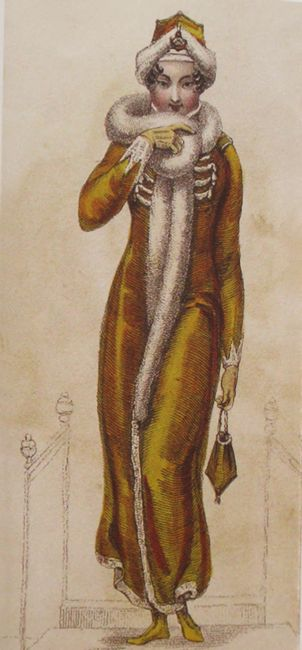
The story of handbags begins in the late 18th century, a time when women’s clothing underwent major transformations. With the disappearance of bulky skirts and the rise of more fitted garments, women needed a new way to carry their personal items. The solution? A small drawstring pouch known as the reticule. Made from netting or silk and tied with a ribbon, it was one of the first accessories to blend practicality with style—marking the birth of the modern handbag.
These early handbags were often hand-carried and minimalist, but they quickly evolved into status symbols. By the early 19th century, the rise of long-distance travel in Europe led to the birth of the travel bag. Large, durable, and elegant, these vintage travel bags were essential companions for the upper-class traveler.
During this period, handbags began to reflect not only function but also the cultural norms of femininity, modesty, and elegance. The design choices were influenced by fashion, etiquette, and even colonial influences. Though still a luxury, the handbag started to carve out its own place in the fashion hierarchy.
In many ways, this era laid the foundation for the evolution of handbags. While these bags were far from the monogrammed designer pieces we know today, they symbolized independence, mobility, and personal style—values that continue to define the handbag’s identity in modern fashion.
The Roaring Twenties: Jazz, Beads, and Feminine Flair
The 1920s marked a turning point in the fashion bag timeline, ushering in an era of glitz, glamour, and self-expression. With the rise of mass media and cinema, fashion was no longer a privilege of the upper class. For the first time, women across all social strata could access style inspiration through movies, magazines, and public icons.
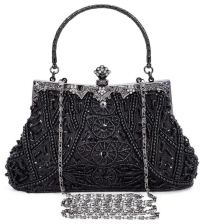
In this jazz-filled decade, 1920s handbags became more than just accessories—they were fashion statements. Popular designs included beaded evening bags that shimmered with movement, creating rhythmic clinks in tune with the era’s most popular soundtrack: jazz. These ornate pouches often featured sequins, embroidery, and fringe, making them perfect for flapper outfits and speakeasy nights.
The handbag’s transformation paralleled the social shifts of the time. Women were gaining more freedom—dancing, voting, and dressing boldly. Their bags evolved accordingly, becoming smaller, sleeker, and tailored for nights out. Style met sound, and fashion met freedom.
These pieces were not only beautiful but symbolic. The beaded evening bags of the 1920s represent one of the earliest examples of handbags being used as tools of empowerment and identity. For today’s vintage lovers, these art-deco relics serve as inspiration for DIY fashion, TikTok thrift flips, and timeless Instagram aesthetics.
Hollywood Glamour and Wartime Practicality (1930s–1940s)
As the world shifted from the exuberance of the 1920s to the economic hardships of the Great Depression and eventually World War II, fashion reflected this sober reality. Handbags, too, took on a dual personality: blending glamour with grit.
In the 1930s, retro bags gained structure. Influenced by the golden age of Hollywood, designers focused on sculpted silhouettes, durable frames, and classic materials. Actresses like Greta Garbo and Joan Crawford made handbag styling an art form, flaunting sleek clutch bags that radiated elegance without excess. These designs favored simplicity and craftsmanship over extravagance.
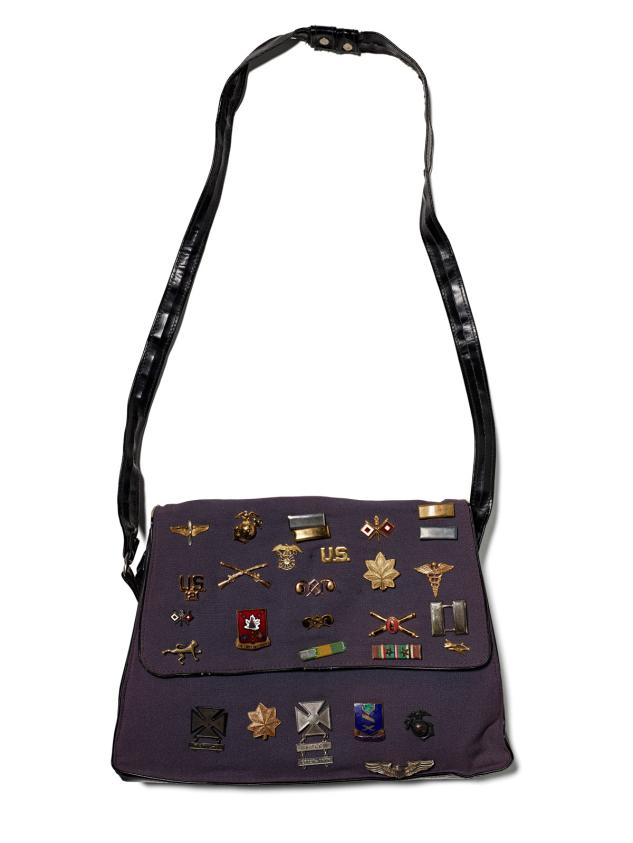
But the 1940s were an entirely different story. The wartime years prioritized functionality, and military-inspired handbags became the norm. Materials like leather were scarce, prompting designers to turn to canvas and synthetic fibers. Women’s bags were suddenly expected to carry ration books, ID cards, gas masks—even first aid essentials.
Shoulder bags surged in popularity, allowing women to carry heavier items hands-free as they took on more public and workforce roles. The handbag had become a tool of survival, resilience, and utility.
Even under the clouds of war, fashion adapted. The lines became cleaner, the colors more subdued, but the meaning behind the accessory grew richer. These 1940s fashion bags represented strength during adversity and resourcefulness under constraint.
For young fashionistas today who value minimalism and utilitarian chic, these decades offer a treasure trove of inspiration—proof that style often flourishes in the toughest of times.
The Post-War Era: Sexuality and Sophistication (1950s)
With World War II finally over, the 1950s welcomed a wave of optimism, consumerism, and a renewed focus on femininity. The scars of war began to heal, and people sought comfort in beauty, romance, and indulgence. Women’s fashion evolved rapidly—and handbags followed suit.
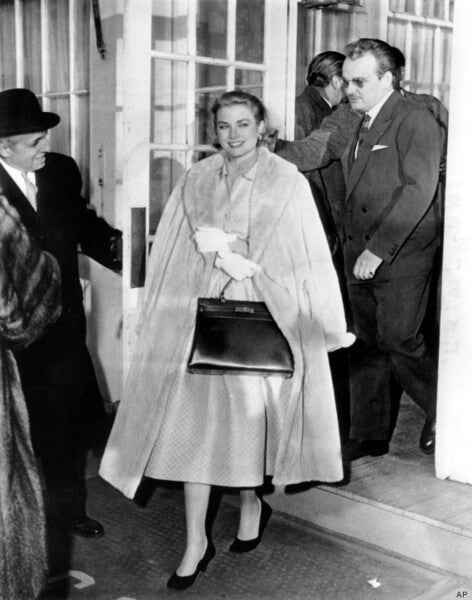
The 1950s handbags were a direct response to the changing times. After years of rough canvas and rationed materials, fashion once again embraced elegance. Bags became smaller, more structured, and often adorned with gold hardware, embroidery, or delicate clasps. The designs reflected the hourglass silhouettes of the era, pairing perfectly with fitted dresses and heels.
Sexuality and sophistication became dominant themes in both clothing and post-war fashion bags. Hollywood starlets like Audrey Hepburn and Grace Kelly elevated certain handbags—like the now-iconic Kelly Bag by Hermès—into global status symbols. Owning a well-made handbag wasn’t just about style anymore—it became a declaration of femininity, class, and aspiration.
This era cemented the handbag’s status as an essential vintage fashion accessory, not just a utility item. For modern trendsetters, the ‘50s aesthetic offers endless inspiration—from dainty clutch bags at retro-themed weddings to ladylike purses in TikTok’s coquette-core aesthetic.
Cultural Movements and Youth Expression (1960s–1970s)
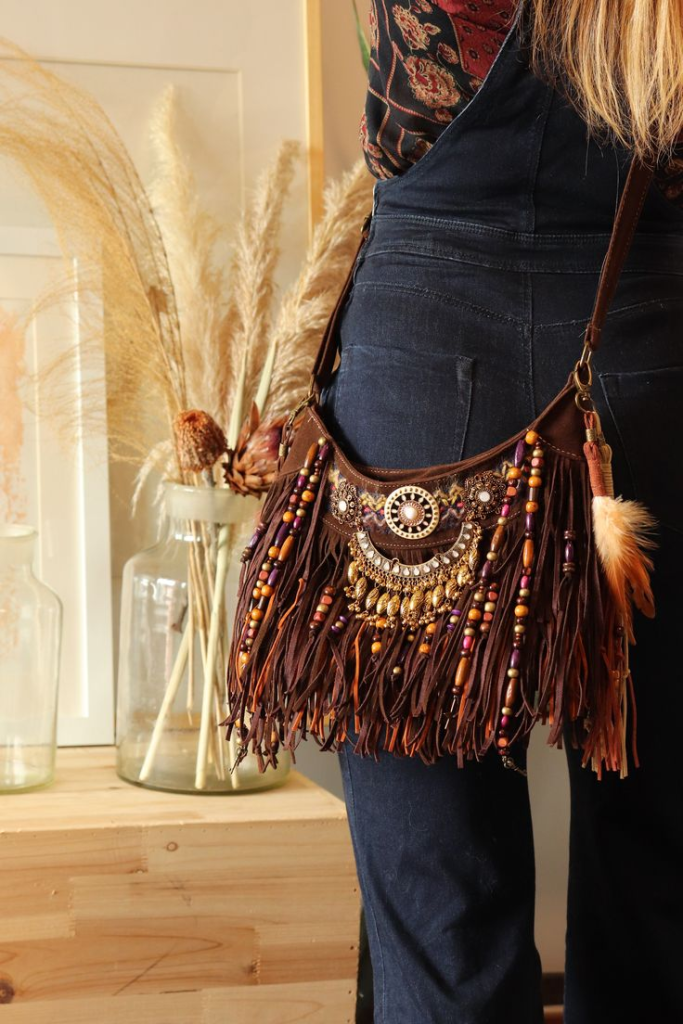
As rock music, feminism, and counterculture movements exploded across the globe, fashion was radically redefined. The 1960s and 1970s became a golden age of youth rebellion, creative experimentation, and personal expression—and handbags were no exception.
Gone were the overly structured styles of the ‘50s. In their place came soft, slouchy bags with fringe, embroidery, or psychedelic prints. Vintage shoulder bags became the go-to for bohemian girls, art students, and activists alike. Their easy, practical design suited both fashion and freedom.
The rise of youth fashion bags reflected a deeper cultural shift. Women were now studying, protesting, traveling, and working more than ever. They needed bags that matched their lifestyles—roomy enough for books, expressive enough for their individuality. Brands responded by releasing a wave of designs like messenger bags, fisherman pouches, and woven ethnic styles.
The influence of rock style bags also surged, fueled by icons like Janis Joplin and Patti Smith. These bags often featured leather, studs, fringe, and bold patterns—channeling the energy of the era’s music and spirit. They weren’t polished or luxurious, but raw and real—just like the movements they represented.
Meanwhile, the late ‘70s saw a brief return to romanticism and countryside aesthetics. Narrow-strap shoulder bags, floral canvas totes, and natural materials like hemp and straw became popular. These rural-inspired bags reflected people’s yearning to escape urban chaos and reconnect with nature.
Today, Gen Z consumers still borrow heavily from these decades—celebrating thrifted satchels, embroidered crossbodies, and hippie-chic bags as part of their identity. The youth fashion bags of the ‘60s and ‘70s prove that fashion can be bold, messy, and meaningful all at once.
Avant-Garde and Fast Fashion Take Over (1980s–1990s)
The 1980s and 1990s ushered in an era of experimentation, consumerism, and ever-accelerating trend cycles. The influence of mass production and celebrity culture gave rise to a new kind of fashion logic: be bold, be different, and be fast. In this rapidly evolving landscape, handbags became the playground of avant-garde designers and fast-fashion giants alike.
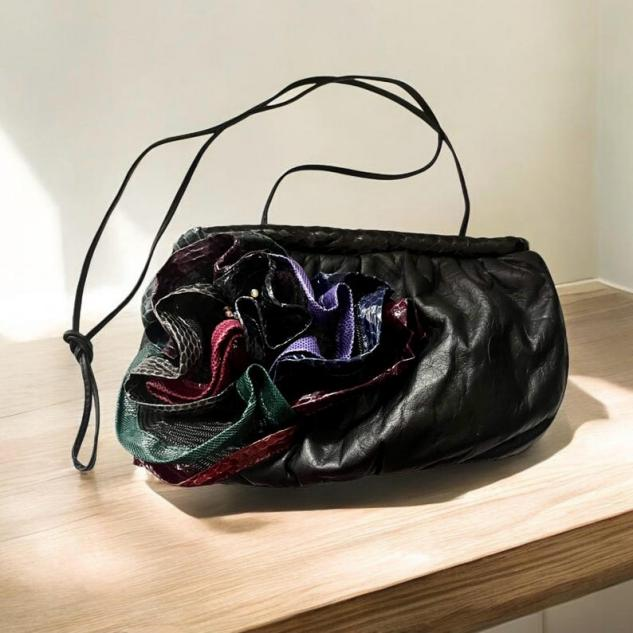
In the ‘80s, shoulder pads, metallics, and oversized everything dominated the runways—and avant-garde handbags followed suit. Designers like Vivienne Westwood and Jean-Paul Gaultier introduced provocative silhouettes, playing with materials like rubber, chains, and plastic. Bags were no longer just accessories—they were statements.
Simultaneously, logo mania exploded. Luxury brands like Louis Vuitton, Chanel, and Gucci began prominently featuring logos on their bags, making designer bags the ultimate symbol of success and exclusivity. Carrying a monogrammed purse wasn’t just about utility—it was a form of social proof.
As the ‘90s arrived, designer bags 1990s took a sleeker, more minimalist turn. The era’s fashion reflected a certain “cool girl” nonchalance—seen in tiny shoulder bags, baguette styles, and the rise of it-girls like Kate Moss and Naomi Campbell.
At the same time, fast fashion handbags emerged to mimic luxury designs at a fraction of the price. Consumers—especially young people—were now cycling through styles faster than ever, and accessibility mattered as much as exclusivity.
This period redefined what it meant to “own” fashion. The line between trend and art blurred, and handbags became the ultimate canvas for creativity, capitalism, and cool.
Into the 21st Century: Revival of Retro and the Rise of Luxury (2000–2025)
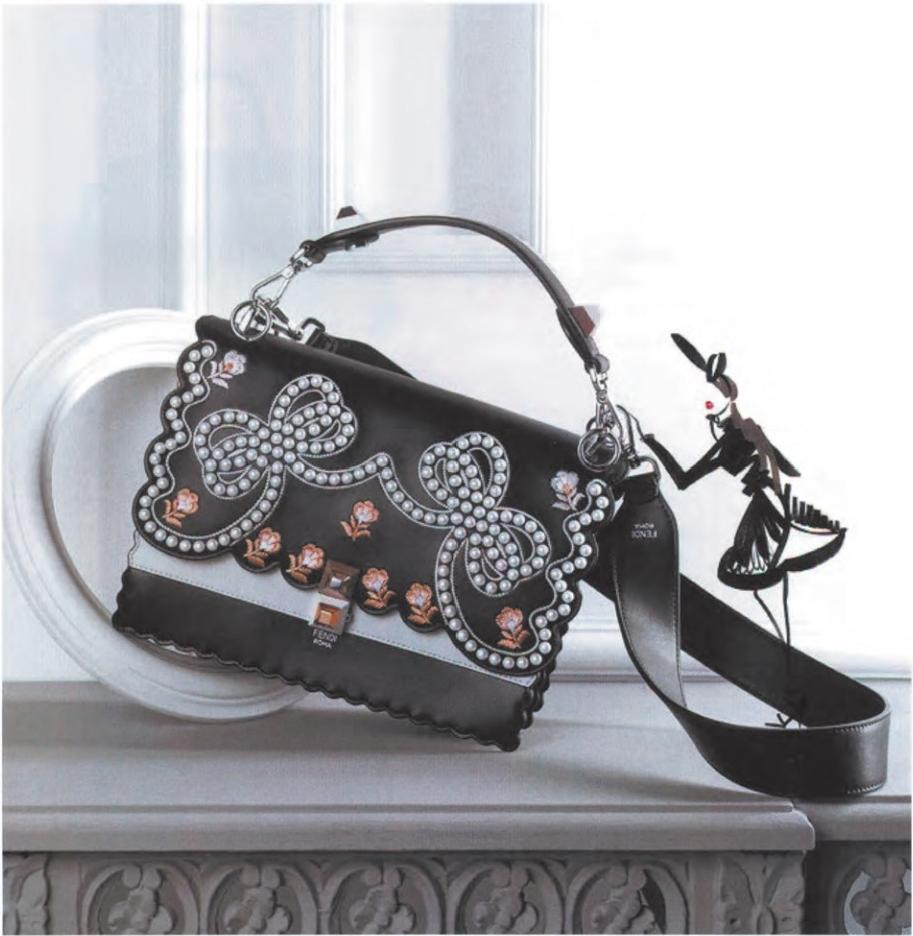
As the 21st century dawned, fashion entered a nostalgic renaissance. From Y2K glitter to TikTok’s recent revival of vintage Dior, the new millennium embraced the old with a fresh lens. For handbags, this meant a blend of retro fashion bags and modern luxury appeal—ushering in one of the most diverse and dynamic eras in bag history.
In the early 2000s, 2000s handbags were all about sparkle, novelty, and attitude. Think sequined evening clutches, rhinestone-embellished mini bags, and playful shapes inspired by hearts, lips, or even teddy bears. This kitschy-cute aesthetic defined red carpets and high school hallways alike.
At the same time, the luxury market exploded. Brands like Prada, Balenciaga, and Fendi launched iconic bags that are still sought-after today—such as the Fendi Baguette, Prada Nylon, and Balenciaga City. The luxury bag evolution was driven by celebrity endorsements, fashion blogs, and the rise of fashion as entertainment.
What’s unique about 2000–2025 is the coexistence of nostalgia and innovation. Gen Z and Millennials have embraced second-hand luxury and retro finds via Depop, Vestiaire Collective, and thrift culture, while brands are increasingly offering customization and tech-integrated features like NFC authentication.
The handbag of today doesn’t just carry things—it carries meaning. It’s a bridge between past and present, function and fashion, heritage and trend. Whether it’s a thrifted Y2K gem or a freshly minted designer piece, today’s bag tells a generational story of taste, values, and identity.
Conclusion: Why Knowing Bag History Makes You a Smarter Fashion Lover
From handcrafted pouches of the 18th century to luxury icons of the 21st, handbags have traveled a long, stylish road. Each decade’s design reflects deeper societal values—freedom, rebellion, elegance, or identity. By understanding this fashion bag timeline, we learn not just about changing aesthetics but about ourselves.
For modern fashionistas, especially young trend-savvy consumers, knowing the evolution of handbags offers more than knowledge—it cultivates taste, prevents overconsumption, and deepens appreciation for design. Whether you’re investing in your first luxury piece or styling a vintage thrift find, being one of the bag history lovers gives you an edge in both fashion and storytelling.
Because in fashion, history always repeats itself—but style is how you make it personal.
What are the most iconic handbags in fashion history?
Some of the most iconic handbags include the Hermès Birkin, Chanel 2.55, Dior Saddle Bag, and the Louis Vuitton Speedy. These timeless designs continue to inspire new collections today.
How have handbags changed over time?
From simple utility pouches to designer masterpieces, handbags have evolved in shape, material, and purpose—reflecting shifts in culture, gender roles, and consumer habits.
Why should young people care about handbag history?
Because understanding where trends come from makes you smarter about where they’re going. It helps you shop more thoughtfully, develop personal style, and avoid trend fatigue.