
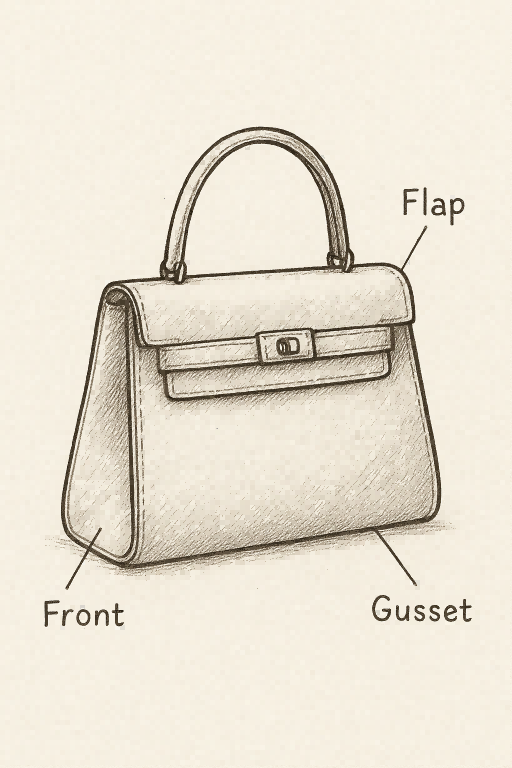
Let’s be honest—designer bags are more than accessories. For many of us, they’re statements of taste, lifestyle, and confidence. But with the rising popularity of replica bags and “1:1 copies,” it’s becoming harder to tell what’s real and what’s not. Whether you’re eyeing that dreamy Chanel flap or a budget-friendly dupe, knowing how bags are actually made can make a big difference.
In this guide, we’ll walk through the core structure, materials, and hidden details that set genuine bags apart from replicas—especially the good ones. If you want to look smart, shop smarter, and avoid getting tricked, keep scrolling.
Table of Contents
Bag Structure Terms: From Straps to Seams
If you’re shopping for luxury bags or even high-end replicas, knowing the anatomy of a handbag helps you judge quality like a pro. Here’s a breakdown of must-know terms:
Straps (Shoulder Straps or Handles)
The term strap is pretty universal, but what it’s made of is key.
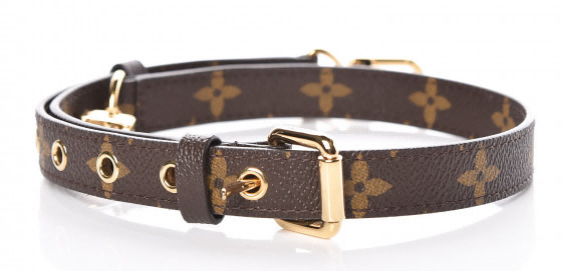
- Usually made from the same main material as the bag body.
- Typically consists of two outer layers bonded with an inner lining—this might be PVC backing or a special paper-like material called “skin fiber paper.”
- The strap is usually attached to the bag using metal hooks or rings. The weak spots? Look at the hook joints and spring latches, which are most likely to break.
- High-end versions use cast alloy rings with no visible seam—these are much more durable.
Main Body (Bag Panels)
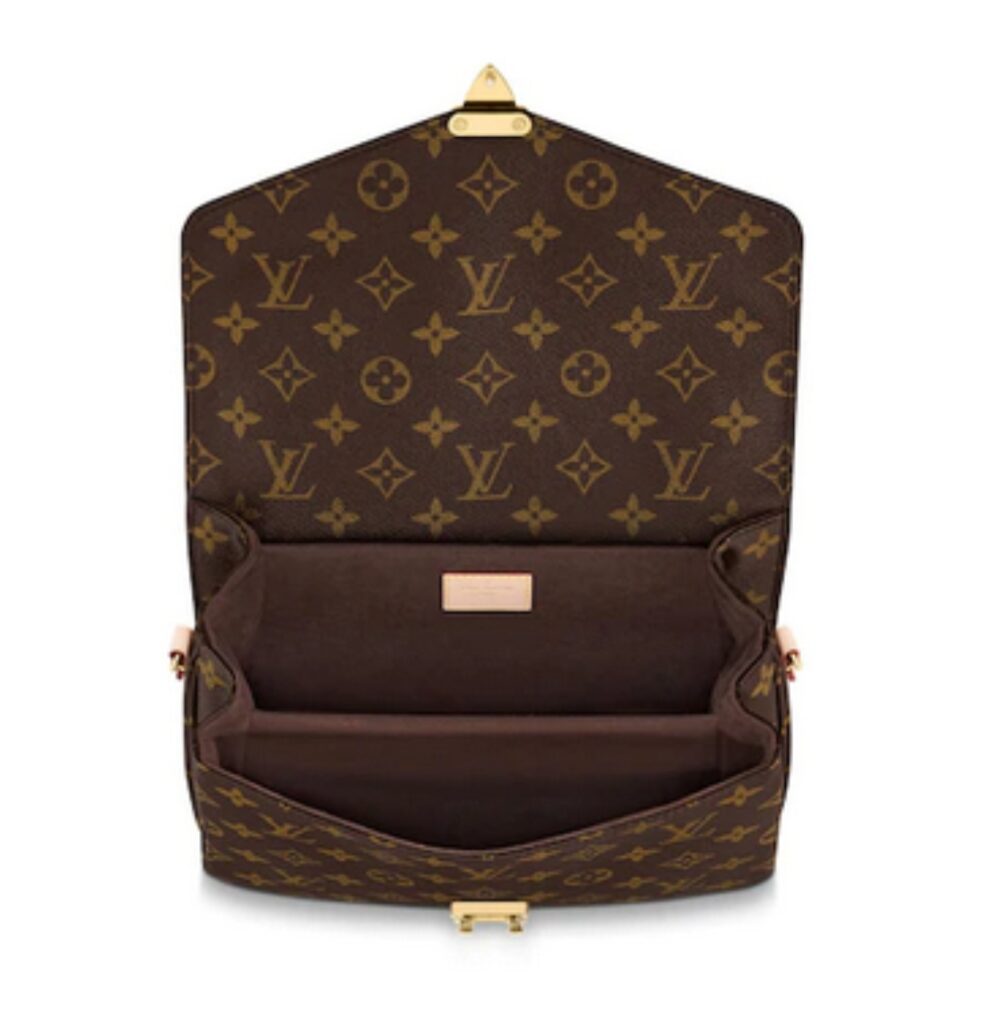
The structure of a bag includes:
- Front panel = “front body”
- Back panel = “rear body”
- Side panels = “left and right gussets”
- Outer pockets = “outer insert pockets”
- Inner compartments = “inner insert pockets” and middle zip pockets
- Flap closure = “lid”
The small connecting piece under the flap? That’s called a “connector tab.”
How is the bag built?
A quality bag body usually has three structural layers:
- Exterior material – leather, canvas, nylon, etc.
- Support layer – backing made of PVC board, foam, non-woven fabric, or sponge.
- Inner lining – usually nylon, cotton, or satin.
You can often feel the difference just by pressing the body:
When it comes to identifying a real vs fake bag, material is everything. A high-quality replica may look close at first glance, but once you touch and inspect the surface, the truth usually comes out.
Let’s break down the most common materials used in designer and replica bags—and how to tell them apart.
Genuine Leather: Full-Grain vs Split Leather
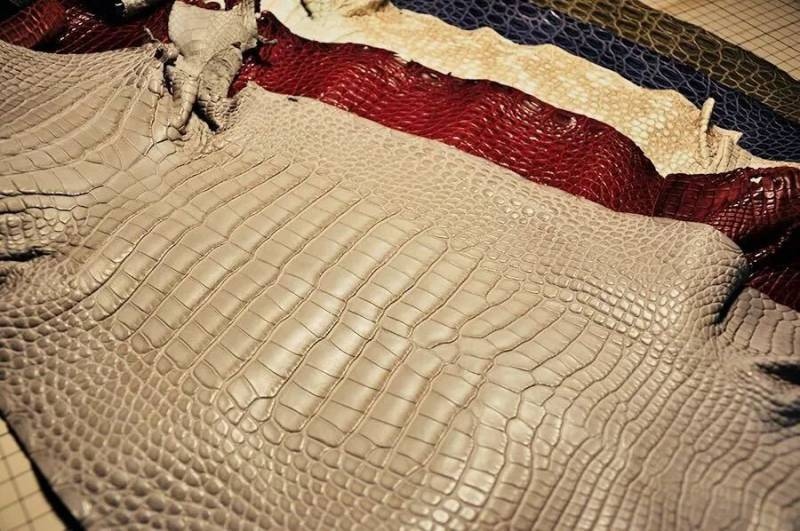
Real leather is made from animal hides, but not all leather is created equal.
- Full-grain leather (First-layer leather):
This is the top-quality stuff. It comes from the outermost layer of the hide and retains the natural grain. It’s soft, durable, and develops a beautiful patina over time. Used in most luxury designer bags. - Split leather (Second-layer leather):
Taken from the lower layers of the hide. It’s often processed and coated to mimic the look of full-grain leather, but it feels stiffer and is less breathable. It’s cheaper, and mostly seen in mid-range bags or low-tier replicas.
Pro tip: Real leather has natural imperfections, a distinctive smell (kind of earthy), and it reacts to warmth—it absorbs hand heat slightly.
PU vs PVC Leather: What’s the Difference?
If you’re shopping replica bags, chances are you’ll run into synthetic leather. Here’s what you should know:
- PU Leather (Polyurethane):
Feels softer and more flexible, has a better imitation of real leather texture. Often used in high-grade replica bags. More breathable and eco-friendly than PVC. - PVC Leather (Polyvinyl Chloride):
Feels stiffer and looks more “plastic.” Has a glossy finish, but lacks the texture and warmth of real or PU leather. It’s cheaper and less durable.
How to test it?
- Smell: PU has a light synthetic smell. PVC smells stronger, more like plastic.
- Touch: PU feels smoother, warmer. PVC is cold and rigid.
- Crease test: Gently fold it—PU bends softly; PVC often creases sharply.
Furry and Fabric Materials: Nylon, Canvas, and Plush
Not all bags are leather! Let’s not forget about other materials you’ll often see in casual or statement bags:
- Nylon & Canvas:
Quality is judged by weave density—tighter weave = better quality. Used in sporty bags, totes, and many seasonal designs. - Plush or Faux Fur:
Is it real or fake? Just touch it. Real fur feels like petting a kitten—smooth, warm, with depth. Fake fur often feels too soft or plasticky.
Quick test: Rub your hand slowly across the fur. If it changes direction naturally, it’s likely real.
Lining Fabrics: Satin, Cotton, or Nylon
Inner linings are underrated, but they say a lot about the bag’s build quality:
- Satin (a.k.a. “silk-touch” lining): Often used in designer bags for a premium feel.
- Cotton: Soft, breathable, and looks natural—common in mid-high-end bags.
- Nylon (190D, 210D, 240D): Durable and easy to clean. Used in both high-quality and replica bags.
Why does this matter?
Because materials never lie. If a so-called “luxury bag” uses PVC, poor stitching, or rough linings—it’s a red flag. Knowing your materials helps you shop smarter and avoid overpriced fakes.
Zippers, Hardware & Stitching: Small Parts, Big Clues
Even if the leather looks good, it’s often the hardware and finishing details that betray a fake. Let’s dive into the most overlooked, but incredibly important, components of a bag: zippers, metals, stitching, and edge paint
Zippers: Smoothness Is Everything
A zipper has three parts:
- Zipper tape (usually nylon)
- Zipper teeth (plastic or metal)
- Zipper pull/tab
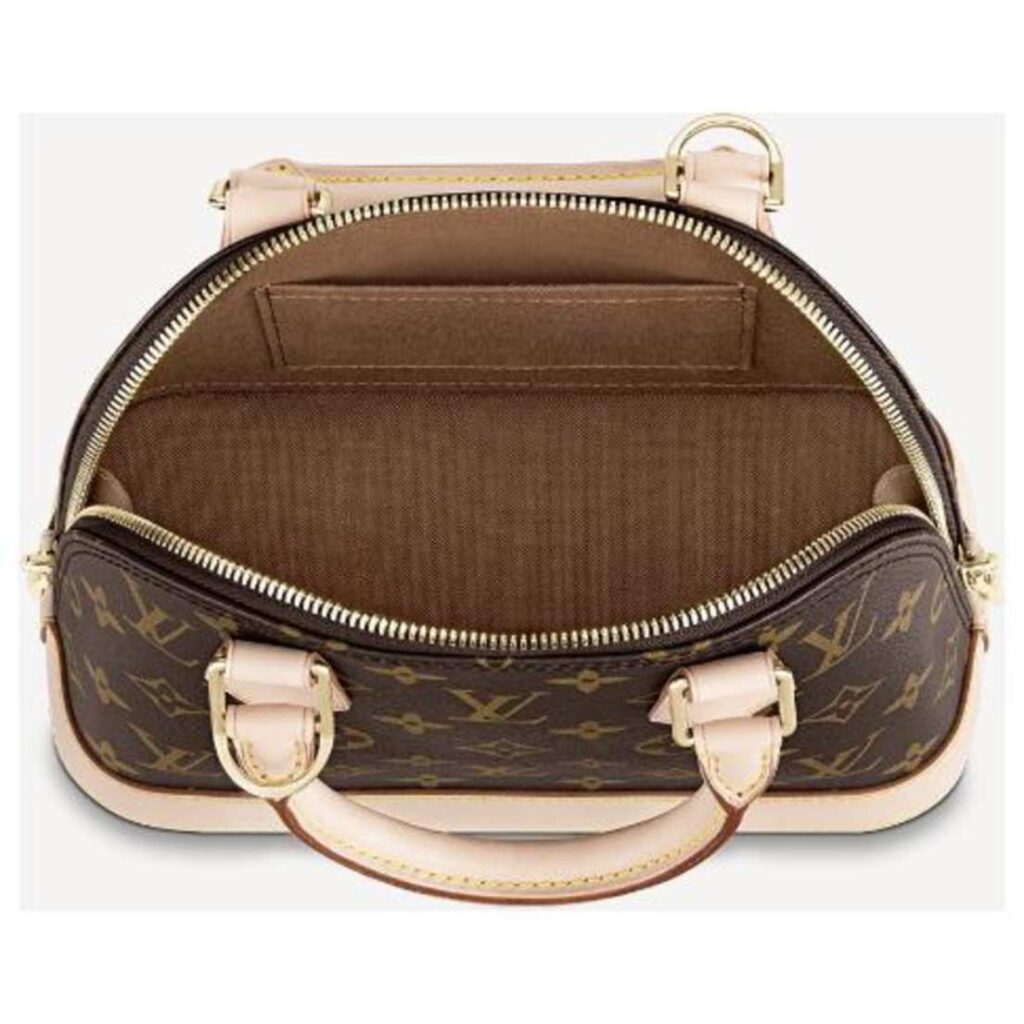
Here’s how to check a quality zipper:
- Teeth Check: Any missing, chipped, or uneven teeth? Big red flag.
- Pull Test: Slide the zipper up and down multiple times. A premium zipper glides smoothly and stays aligned.
- Bend Test: Zip it up, then slightly bend the zipper. If the teeth pop open, it’s poorly made.
- Pull Tab Attachment: Check the joint between the pull and slider. Loose connection = easy breakage = cheap build.
Luxury brands often use custom zippers (like YKK, Riri, Lampo), which are engraved, heavy, and buttery smooth.
Metal Hardware: Real vs Replica Finish
From hooks to buckles and D-rings, metal hardware speaks volumes about quality.
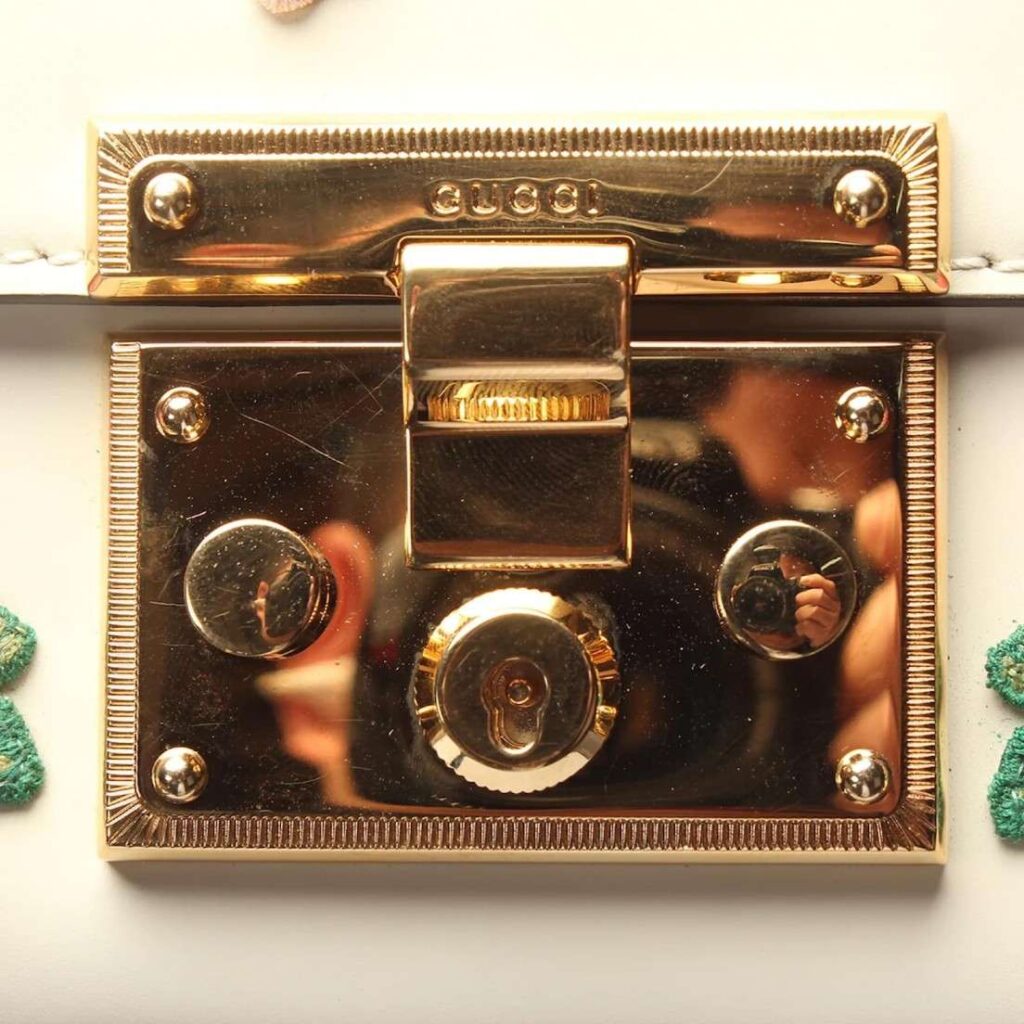
Quick magnet test:
- If a magnet sticks, it’s made from iron wire (cheap).
- If not, it’s likely zinc alloy or cast brass (more expensive and durable).
Check for oil sealing
Premium metal parts are sealed with protective oil, which:
- Feels slightly oily to the touch.
- Smells faintly like gasoline or machine oil.
Why is this important? Because unsealed metal rusts easily, leading to peeling or flaking. This is a common issue in cheap replicas.
Common Hardware Colors & Meanings:
- Bright White (Gloss or Pearl White)
- Antique Brass (Matte or Brushed)
- Gold (Champagne or Pearl Gold)
What do labels like “Gloss,” “Matte,” “Pearl” mean?
- Glossy = Bright shine
- Matte = Subtle glow
- Pearl = Soft shimmer
Luxury pieces use custom-plated metals that do not flake, fade, or rust easily—replicas often do.
Stitching: Count the Stitches
In the handbag world, stitching is known as “machine line” , and it’s an important quality indicator.
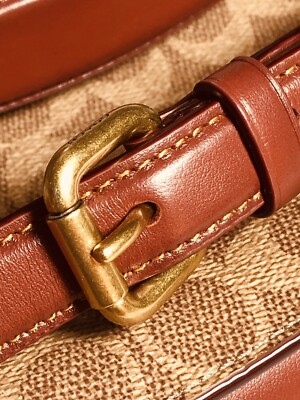
- Exterior stitches: Usually thick #20 nylon thread
- Interior stitches: Thinner #40 thread
- Lining stitches: Often cotton, like #604 or #606
Pro Tip: Stitch density matters
High-end bags follow a strict “7 stitches per inch” rule—this keeps seams tight and durable. Uneven, loose, or slanted stitching = a sign of low-quality manufacturing.
Also look for:
- Color match between thread and fabric
- Clean knotting at start/end points
- No frayed ends or glue stains
Edge Paint: The Hidden Luxury Signal
Ever noticed the clean, glossy line at the edge of your strap or flap? That’s edge oil—a painted finish that seals and protects raw leather edges.
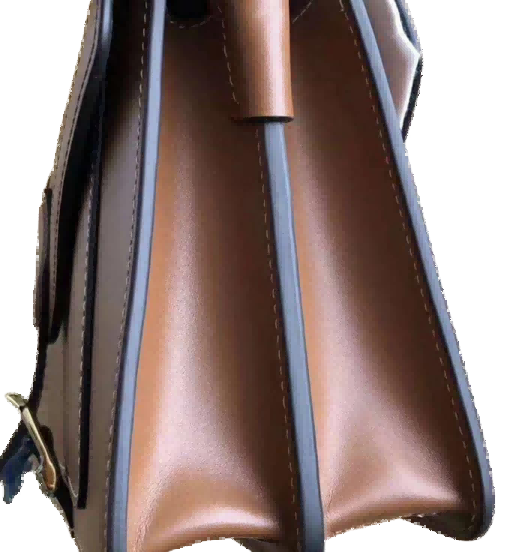
Luxury bags use edge oil customized to local climate conditions—yep, it’s that specific. That’s why good edge paint won’t crack in winter or melt in summer.
- Good edge paint feels smooth, semi-soft, and matches the bag color perfectly.
- Cheap edge paint feels dry, flaky, or cracks easily due to temperature shifts.
Price range for high-quality edge paint?
$3–$10per kilogram, depending on grade and chemical stability.
Takeaway: Look Beyond the Surface
You can’t always trust a shiny logo or perfect-looking exterior. But the small things—zipper teeth, stitching spacing, edge paint smoothness—never lie. Learning to check these details takes just a few minutes but could save you from a costly mistake.
Quick Cheatsheet: Judge a Bag’s Quality in 30 Seconds
You’re out shopping, browsing second-hand marketplaces, or scrolling through that too-good-to-be-true deal online… but something feels off. Here’s your fast-track checklist to determine whether you’re looking at a legit luxury piece or a low-grade replica—in just half a minute.
✅ Touch Test (5 seconds)
- Genuine leather feels soft, warm, and textured.
- Fake leather (PVC) feels cold, stiff, or overly shiny.
Remember: PU is better than PVC, but still not real leather.
✅ Zipper Slide (5 seconds)
- Pull it. Does it glide smoothly without catching?
- High-end bags use quality zippers (like YKK, Riri, or Lampo).
- Loose or noisy zipper = cheap replica alert.
✅ Hardware Check (5 seconds)
- Try a magnet! If it sticks, it’s cheap iron.
- Good metal is often heavier, uncoated metal rusts quickly.
- Any oily feeling? That’s a sealed finish, and that’s good.
✅ Stitching Scan (10 seconds)
- Straight lines? Tight spacing? Clean finish?
- Luxury bags often follow 7 stitches per inch.
- If thread color clashes or lines are sloppy—it’s a no.
✅ Edge & Lining Feel (5 seconds)
- Run your finger along edges—are they smooth and glossy?
- Look inside: Is the lining fabric soft, dense, or silky (not papery)?
- Bad edge paint = cracked, rough, or mismatched colors.
How can I tell if a designer bag is fake?
Check the material, stitching, zipper, hardware, and edge paint
What’s the difference between PU leather and real leather?
PU is man-made; real leather has texture and patina.
What are signs of low-quality hardware?
Rust, peeling, light weight, and no sealed coating.