
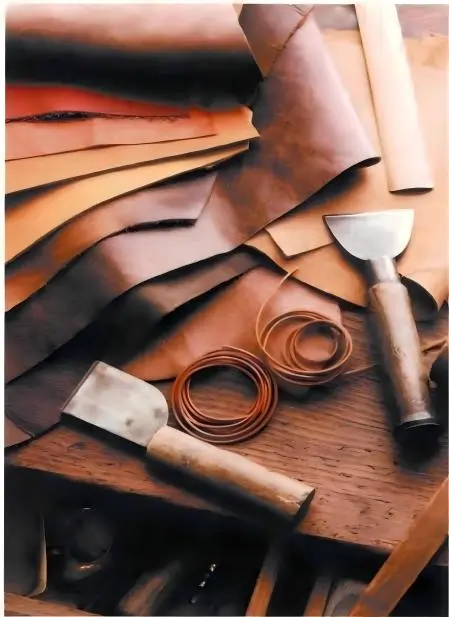
Whether you’re shopping for your first luxury leather bag or browsing through a trendy vintage market, one question is bound to come up: Is it real or fake leather? In today’s fashion world, real vs fake leather is no longer just about price—it’s about quality, sustainability, and style.
For many young women, a good leather bag represents more than just a fashion accessory. It’s a symbol of taste, craftsmanship, and self-expression. But with the rise of synthetic leather, PU leather, and other convincing imitations, it’s easy to get tricked—especially when shopping online or through less trusted sellers.
Understanding the difference between genuine leather and fake alternatives can help you make smarter fashion choices. It can save you from overpaying, ensure your items last longer, and help you identify which materials suit your lifestyle best.
This guide is here to help you spot real leather from the imposters. Whether you’re into cowhide totes, sheepskin purses, or even faux-fur-trimmed backpacks, we’ll walk you through everything you need to know about authentic leather—from texture and scent to burn tests and grain structure.
Table of Contents
What Is Real Leather?
Before you can tell the difference between real vs fake leather, it’s essential to understand what genuine leather really is.
In the fashion and bag industry, “real leather” is a term widely used to distinguish it from synthetic materials like PU leather or PVC. However, not all real leather is created equal—its quality, texture, durability, and price vary greatly depending on the type of animal, the layer of hide used, and the processing techniques.
Common Types of Real Leather Used in Bags
Here are the most frequently used types of leather in luxury and casual handbags:
Pigskin (Pig Leather)
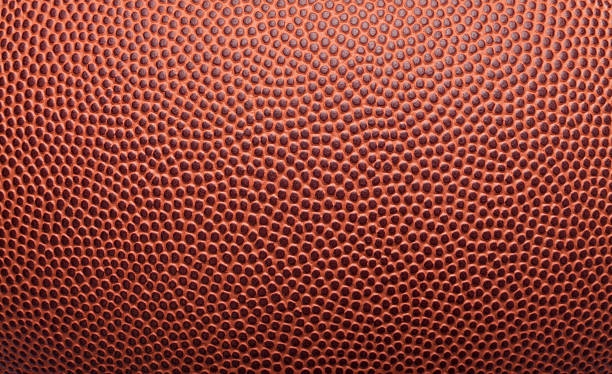
Pig leather is commonly used in bag linings and lower-cost leather goods. It features distinctive pores arranged in groups of three, forming triangle shapes. This texture is often used for embossed or distressed effects.
- Pig Grain Leather: Has a glossy surface with visible triangle-shaped pores. Often used in budget-friendly bags.
- Pig Suede (Top Grain): Features a soft, velvety texture on the inner side of the hide, sometimes treated for a washed or printed look.
- Second-Layer Pig Suede: Less durable, slightly rougher texture, and rarely used in high-end bag exteriors.
Sheepskin (Lambskin & Goatskin)
Sheepskin is a luxurious, soft leather with a smooth and delicate feel—perfect for premium leather bags and fashion-forward designs.
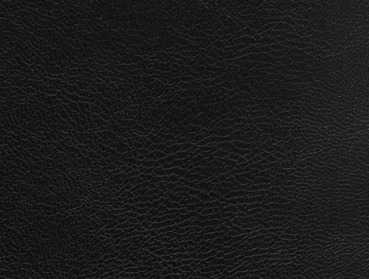
- Lambskin: Extremely soft and lightweight. Pores are small and irregularly spaced, giving it a buttery texture.
- Goatskin: More durable than lambskin, slightly coarser grain, and more suitable for daily-use handbags. Known for washable vintage styles and waxed leather effects.
Cowhide (Cow Leather)
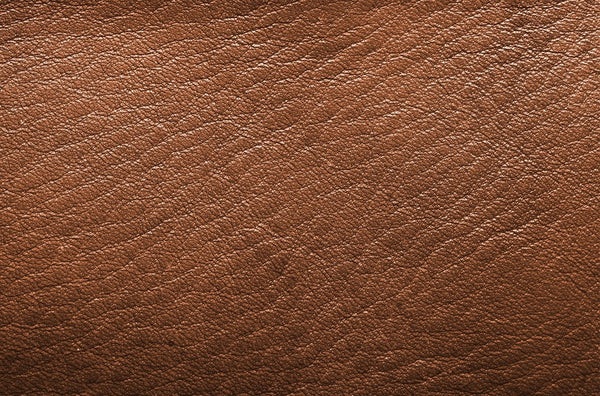
Cow leather is one of the most durable and widely used leathers in bag production. It features tight pores, a dense grain, and strong elasticity—ideal for structured bags.
- Top-Grain Cowhide: Offers the best combination of strength and aesthetics. Found in many luxury totes and satchels.
- Second-Layer Cowhide: Often finished to mimic top grain but lacks natural pores. Common in mid-range leather goods.
Fur Leathers (Fur-Trimmed & Exotic Skins)
Some high-end designer bags incorporate fur leathers for trim or decorative panels:
- Fox Fur (Silver, Blue, Red): Soft, glossy, and luxurious. Often dyed for fashion colors.
- Rabbit Fur (White, Rex, Yellow): Lightweight and soft but less durable.
- Mink Fur: Dense and glossy, used for elite collections.
Leather Layers: Top Grain vs Split Leather
Besides animal type, the layer of leather used also matters:
- Top-Grain Leather: The highest-quality cut, with the natural grain intact. It’s strong, breathable, and ages beautifully.
- Split Leather (Second or Third Layer): Taken from the lower layers. It’s cheaper and less durable, often used for suede finishes or coated to mimic higher-end looks.
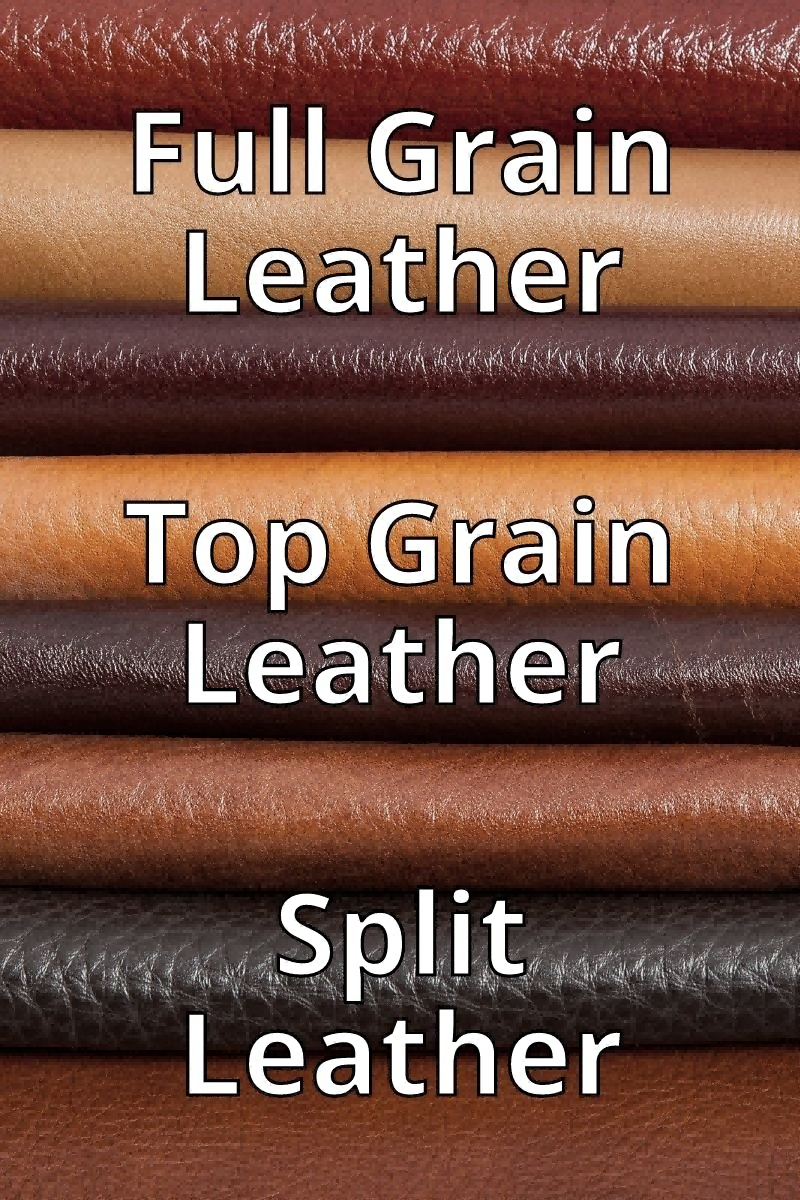
In short, real leather comes in many forms, and understanding its variety is the first step in leather authentication. Whether you’re holding a cowhide tote or a sheepskin clutch, knowing what kind of leather you’re dealing with can help you assess quality, durability, and price.
Most Common Types of Leather in Bags
Not all leathers are created equal—especially when it comes to fashion handbags. Each type of real leather has its own characteristics that make it more (or less) suitable for certain bag designs, functions, and price ranges.
Let’s explore how different types of leather are commonly used in designer and casual leather bags:
Pig Leather in Bags
Pigskin is often overlooked, but it’s more common than you might think—especially in inner linings and budget-friendly fashion bags.
Pros:
- Breathable and lightweight
- Affordable alternative to cowhide
- Can be embossed with patterns like litchi grain or striped textures
Cons:
- Not as durable as cowhide or goatskin
- Less luxurious appearance
- Triangle-shaped pores may not appeal to all tastes
Best For: Casual backpacks, inner linings, low-cost leather bags
Sheepskin in Bags
If you’re shopping for something soft, stylish, and chic, sheepskin (especially lambskin) is a top-tier choice in luxury handbags.
Pros:
- Extremely soft and lightweight
- Smooth surface, delicate feel
- Ideal for intricate designs and close-body carry
Cons:
- Less resistant to scratches and wear
- Requires careful maintenance
- Can lose shape over time
Popular Treatments:
- Embossed sheepskin: adds pattern while keeping softness
- Washed lambskin: trendy and vintage-look compatible
Best For: Evening clutches, luxury shoulder bags, trendy crossbody purses
Cowhide in Bags
When durability and structure matter, cowhide is the go-to material. It’s the backbone of many classic and high-end leather bags.
Pros:
- Strong, firm, and durable
- Holds its shape well
- Rich texture and aging potential
Cons:
- Heavier than lambskin
- Slightly less soft
- Fewer variations in finish compared to sheepskin or pigskin
Popular Finishes:
- Natural grain (shows original texture)
- Polished cowhide (sleek and formal)
- Second-layer imitation grain (less expensive alternative)
Best For: Structured totes, business bags, long-lasting backpacks
Fur Leather in Fashion Bags
For those who love bold style, fur-leather hybrids bring seasonal texture and glam. Many luxury winter collections use these materials for trims or accents.
- Fox Fur (Silver, Blue, Red): Soft and fluffy; adds a dramatic touch
- Rabbit Fur (Rex or Yellow): Lightweight and warm, though less durable
- Mink Fur: Ultra-luxury option with exceptional shine and softness
- Best For: Winter bags, statement purses, or fur-trimmed handles
Summary Table: Leather Types for Bags
| Leather Type | Texture | Durability | Weight | Style Suitability |
| Pigskin | Grainy | ★★☆☆☆ | Light | Budget & casual |
| Lambskin | Silky smooth | ★★★☆☆ | Ultra-light | Luxury, delicate use |
| Goatskin | Firm grain | ★★★★☆ | Medium | Everyday fashion |
| Cowhide | Dense & firm | ★★★★★ | Heavy | Classic, structured |
| Fur Leathers | Fluffy | ★★★☆☆ | Light | Seasonal, glam |
When shopping for a genuine leather bag, understanding which type of leather was used gives you a major advantage—not only for style, but also
Common Techniques to Identify Real Leather
You don’t need to be a leather expert to tell real vs fake leather apart. With just your hands, eyes, and nose, you can become a smart shopper in minutes. These quick leather authentication tips are especially useful when buying bags in stores, markets, or even online.
Here are the three most effective ways to identify genuine leather from synthetic imitations:
1. Touch Test: Feel the Surface
Real leather has a distinct texture. It feels soft, slightly grainy, and sometimes even warm to the touch. When you press down gently, it will show wrinkles or small creases, just like human skin.
Real Leather Feels:
- Soft and flexible
- Slightly elastic with natural bounce-back
- Full and luxurious
- Some leathers may feel buttery smooth (like lambskin), others firmer (like cowhide)
Fake Leather Feels:
- Too smooth, almost plastic-like
- Rigid and cold to the touch
- Doesn’t wrinkle or react naturally to pressure
Pro Tip: Rub your fingers across the grain—real leather has slight irregularities, while synthetic leather is often too uniform.
2. Visual Check: Look Closely at the Grain
Real leather has visible pores, subtle variations, and sometimes small scars or wrinkles. These are signs of a natural product and add to its uniqueness.
Real Leather Looks:
- Visible pores (especially on pigskin or cowhide)
- Irregular patterns in grain
- Natural imperfections
- No woven textile backing
Fake Leather Looks:
- Extremely consistent surface (too perfect)
- Pores look stamped or too shallow
- Often backed with fabric or mesh for strength (flip it over to check!)
Quick Tip: If you see triangle-shaped pores in groups of three, you’re likely looking at real pigskin.
3. Smell Test: Follow Your Nose
Perhaps the most iconic identifier—real leather smells like leather. That rich, earthy scent comes from the tanning process and is almost impossible to fake.
Real Leather Smells:
- Earthy and organic
- Sometimes slightly sweet or smoky
Fake Leather Smells:
- Sharp chemical or plastic odor
- Some even smell like glue or synthetic paint
Bonus Test – The Burn Trick (Only if Safe):
If you’re testing a leather scrap (not recommended on actual bags!), burn a small piece:
- Real leather burns like hair—smoky smell, turns to powder.
- Fake leather smells toxic, melts, and forms a hard black lump.
⚠️ What to Avoid When Testing
- Don’t rely on color or polish—many synthetic leathers mimic the appearance of real leather using coatings.
- Be cautious of seller claims like “genuine PU leather”—that’s a contradiction; PU is synthetic.
Armed with these simple real leather identification techniques, you’ll be able to assess your bags and accessories with confidence. Whether you’re shopping online or in a boutique, knowing how to spot fake leather will save you money—and disappointment.
Real vs. Fake: A Side-by-Side Comparison
Still not sure whether your leather bag is the real deal? Here’s a quick reference chart to help you compare real vs fake leather at a glance. Save it, screenshot it, or share it with your shopping squad!
Comparison Chart: Genuine Leather vs Synthetic Leather
| Feature | Real Leather | Fake Leather (PU / PVC) |
| Texture | Naturally uneven, soft, sometimes slightly bumpy | Very smooth, uniform, sometimes plastic-like |
| Smell | Earthy, woody, or smoky (leather-like smell) | Chemical, synthetic, or plastic smell |
| Pores | Visible, irregular, varies by animal type | Usually fake or embossed, too uniform |
| Elasticity | Flexible, may wrinkle under pressure | Rigid or stiff, doesn’t crease like real leather |
| Back Surface | Rough suede or natural fiber texture | Often fabric-backed or plasticky |
| Durability | Ages gracefully, forms patina, lasts many years | Cracks or peels over time, short lifespan |
| Water Absorption | Absorbs small amounts of water slowly | Water beads off, doesn’t absorb |
| Burn Test | Smells like burning hair, crumbles to ash | Melts, smells like plastic, forms hard lump |
| Price | Generally more expensive due to natural origin | Usually cheaper, mass-produced |
| Environmental Impact | Biodegradable, but tanning may cause pollution | Non-biodegradable, made from petroleum |
Quick Summary
- If it smells too synthetic, it’s probably fake.
- If it looks too perfect, it’s probably fake.
- If it feels cold and plasticky, it’s definitely fake.
True fashion confidence starts with knowing what you’re buying. So next time you’re holding a stylish tote or crossbody, use this chart to decode the truth behind the leather.
Which Leather Is Best for Bags?
Now that you can spot real vs fake leather, let’s go one step further—which type of real leather is best for your handbag?
The answer depends on what matters most to you: durability, softness, appearance, or ease of care. Each leather type has its pros and cons depending on the situation, so let’s match leather to lifestyle.
For Daily Use: Go for Cowhide
If you’re looking for a leather bag that lasts through commutes, errands, or even light travel, cowhide is your best friend.
- Why it’s great: Strong, thick, scratch-resistant
- Best bag types: Totes, structured handbags, backpacks
- Look & feel: Polished, firm, with natural grain
Cowhide ages beautifully and can last for years—a long-term investment.
✨ For Style and Softness: Choose Lambskin
When softness and elegance matter most (think date nights or fashion-forward looks), lambskin or sheepskin delivers.
- Why it’s great: Buttery-soft texture, lightweight
- Best bag types: Mini crossbody bags, evening clutches
- Look & feel: Silky smooth with a refined, luxury vibe
⚠️ Note: Lambskin scratches more easily, so it’s best for occasional use—not your everyday workhorse.
For Trendy, Budget Looks: Pigskin
If you’re budget-conscious but still want the feel of real leather, pig leather is a solid option.
- Why it’s great: Lightweight, breathable, more affordable
- Best bag types: Street-style backpacks, mid-tier brands
- Look & feel: Often embossed or distressed for cool effects
Pigskin offers a great balance between cost and authenticity—perfect for experimenting with styles.
❄️ For Statement Looks: Add Fur Accents
If you love a bold seasonal piece, fur-trimmed leather bags are a winter favorite. Just be mindful of care and ethical sourcing.
- Best options: Mink or fox fur on handles or flap closures
- Adds a pop of texture and warmth to your winter wardrobe
Final Take
| Need | Best Leather |
| Long-term use | Cowhide |
| Lightweight feel | Lambskin |
| Budget option | Pigskin |
| Statement & luxury | Fur leather accents |
No matter your choice, always check for authenticity signs. Real leather can upgrade your entire wardrobe—but only if you pick the right type for your
Final Tips for Young Shoppers
Shopping for real leather bags can feel overwhelming—especially with so many fake options that look nearly identical. But with a few smart strategies, you can avoid scams and shop with confidence.
Here are 5 final tips to help you become a leather-savvy shopper:
✅ 1. Trust Your Senses
Use your hands, eyes, and nose. Real leather feels soft, smells earthy, and has tiny imperfections. If it’s too smooth, too shiny, or smells like chemicals, it’s probably fake.
✅ 2. Don’t Be Fooled by Labels
Terms like “PU leather,” “vegan leather,” or even “genuine leather” can be misleading. “Genuine leather” technically refers to the lowest grade of real leather, while “PU” is entirely synthetic.
Pro Tip: Always ask about the exact type—cowhide, lambskin, pigskin, etc.
✅ 3. Check the Back or Inside of the Material
Whenever possible, look at the underside of the leather. Real leather has a fibrous or suede-like texture, while synthetic materials are usually backed with fabric or plastic mesh.
✅ 4. Know Your Source
Buy from trusted brands or certified resellers. Be cautious of “too-good-to-be-true” prices, especially online. Read reviews, request close-up photos, and check return policies before buying.
✅ 5. Match Leather to Your Lifestyle
- Busy student or commuter? Go with cowhide.
- Weekend brunches or dates? Try soft lambskin.
- On a budget but want real leather? Pigskin’s your pick.
Confidence Is the New Luxury
In a world where fast fashion and faux finishes dominate, knowing how to identify real leather sets you apart. It’s not just about the bag—it’s about being a smart, empowered buyer who values quality, longevity, and authenticity.
So next time you’re shopping, remember: if you can feel it, smell it, and see its character—it’s probably the real thing.
How can I tell if my leather bag is real or fake?
You can use the touch, smell, and look tes. Real leather feels soft and slightly uneven, smells earthy (like wood or smoke), and has visible pores. Fake leather usually feels plasticky, smells like chemicals, and looks too perfect.
What is the best leather for handbags?
It depends on your needs:
Cowhide for durability and daily use
Lambskin for softness and luxury looks
Pigskin for affordability and casual styles
Is PU leather considered real leather?
No. PU leather (polyurethane leather) is a synthetic material made from plastic. It may look like leather, but it lacks the durability, breathability, and aging quality of real leather.
Can real leather burn like plastic?
No. When burned, real leather smells like burning hair and turns to ash. Fake leather melts, smells like plastic, and forms a hard lump.
Why is genuine leather more expensive?
Because it comes from animal hide and involves natural tanning processes. Real leather lasts longer, feels better, and develops a patina over time—making it a long-term investment.
Are fur-trimmed leather bags made with real fur?
Luxury brands may use real fur like fox, mink, or rabbit, especially in seasonal collections. Check the product label or ask the seller to confirm the material.
Want a printable checklist to verify your next leather bag?
Download our free Leather Spotting Cheat Sheet [Coming Soon].